Does Rain Reduce the Severity of Allergy Season?
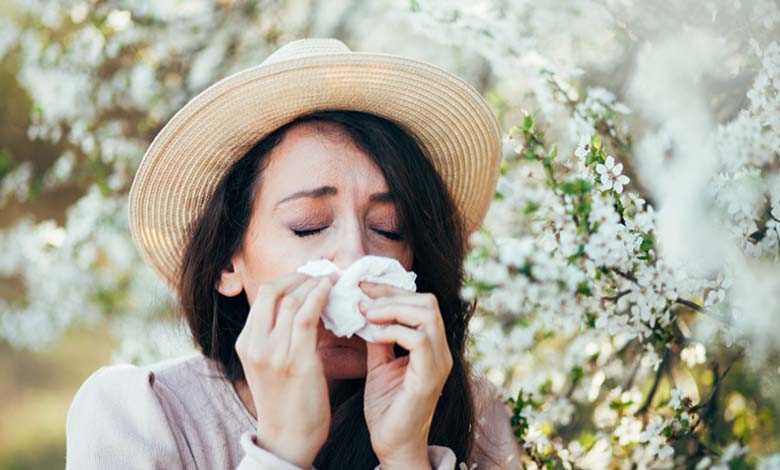
Seasonal allergies affect millions of people worldwide, causing symptoms such as sneezing, nasal congestion, itchy eyes, and fatigue. These reactions are typically triggered by airborne allergens, particularly pollen from trees, grasses, and weeds. A common question arises: does rain help reduce the severity of allergy season? While intuition suggests a positive effect, the scientific reality is more complex.
The role of pollen in seasonal allergies
Seasonal allergies, commonly known as allergic rhinitis, result from an overreaction of the immune system to otherwise harmless substances. Pollen is the primary trigger, and its concentration in the air is influenced by environmental factors such as temperature, wind, humidity, and precipitation.
During dry and windy conditions, pollen spreads easily through the air, increasing exposure risk. Conversely, humid conditions, especially rainfall, significantly alter pollen behavior.
The immediate effect of rain on allergens
Rain acts as a natural cleanser of the atmosphere. Water droplets capture airborne pollen particles and bring them down to the ground, reducing their concentration in the air. This process can provide rapid relief for allergy sufferers, particularly after light or moderate rainfall.
Improvement is often noticeable in the hours following rain, as the air becomes cleaner and less saturated with allergens. This explains why many individuals experience temporary symptom relief after rainfall.
Delayed and paradoxical effects
However, the impact of rain is not limited to its immediate benefits. In some cases, it can have paradoxical effects and even worsen allergy symptoms.
Heavy rain, especially during thunderstorms, can break pollen grains into smaller particles. These finer fragments can penetrate deeper into the respiratory tract, potentially intensifying symptoms, particularly in individuals with allergic asthma. This phenomenon is sometimes referred to as thunderstorm asthma.
Additionally, increased humidity promotes mold growth, and mold spores are potent allergens. After several days of rain, the concentration of airborne spores may rise, leading to increased allergic reactions.
The importance of rainfall intensity and duration
Not all rainfall has the same impact. Light, steady rain is generally beneficial because it gradually reduces pollen levels without causing fragmentation.
In contrast, short but intense rainfall combined with strong winds can reintroduce allergens into the air after they settle, limiting the initial cleansing effect. Furthermore, weather conditions following rain, such as a rapid return of heat and sunlight, can stimulate new pollen release.
Environmental factors
The effect of rain also depends on the local environment. In urban areas, rainfall helps remove both pollen and air pollutants, improving overall air quality.
In rural settings, proximity to high pollen sources such as fields and forests may shorten the duration of relief. Certain plants may also respond to moisture by releasing more pollen after rainfall.
Practical strategies for allergy sufferers
Understanding the effects of rain allows individuals to adopt effective strategies. It is often advisable to go outside or ventilate indoor spaces shortly after rainfall, when pollen levels are temporarily reduced.
However, it may be wise to avoid outdoor activities during thunderstorms or in the days following heavy rain, due to the increased presence of fine particles and mold spores.
Monitoring weather forecasts and pollen indices is a valuable tool for anticipating high-risk periods and adjusting daily activities accordingly.
Conclusion
Rain can temporarily reduce the severity of allergy season by lowering airborne pollen levels. However, its effects depend on multiple factors, including rainfall intensity, accompanying weather conditions, and environmental context. In some situations, rain may even worsen allergic symptoms.
Rather than being a universal solution, rain acts as a modulating factor that can provide short-term relief while also carrying potential risks. A nuanced understanding of these dynamics enables allergy sufferers to better manage their exposure and symptoms.