A wave of condemnations has intensified following a drone attack attributed to the Sudanese army that reportedly targeted civilians
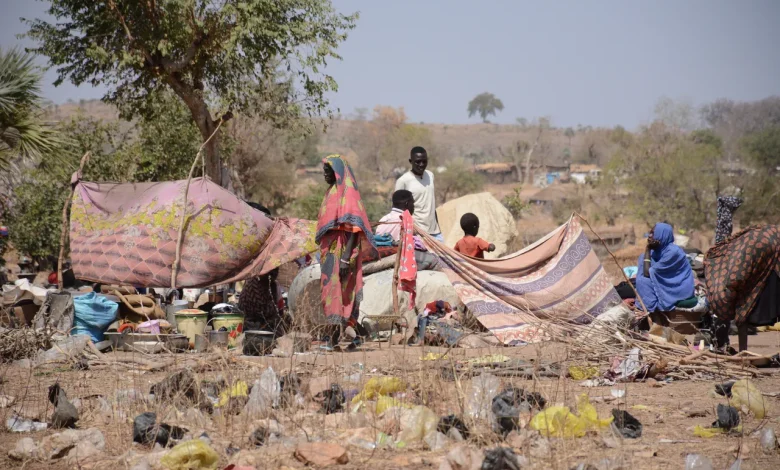
The bombing incident that struck a civilian gathering in the city of Kutum sparked widespread condemnation after dozens of civilians were killed in a drone attack, amid accusations directed at the Sudanese army for carrying out the operation.
The attack occurred during a wedding ceremony in the Al-Salama neighborhood, where dozens of residents had gathered, before a sudden explosion resulted in a large number of casualties. Witnesses stated that the attack was swift and came without any warning.
-
The Sudanese army’s bombing of Kutum reignites debate over targeting errors in the war and heightens fears of civilian targeting in Darfur
-
A new massacre in Darfur: army drones kill 12 civilians, including 6 children.
Medical sources confirmed that hospitals received large numbers of injured people amid a shortage of resources, which complicated rescue efforts. They also indicated that some cases were extremely critical.
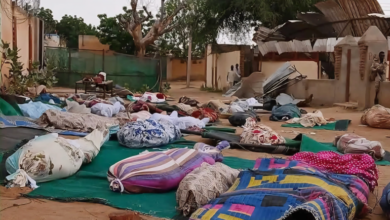
Activists circulated footage documenting the aftermath of the attack, including destroyed homes and casualties, further fueling public anger. Although there has been no independent verification, multiple accounts point to the same details.
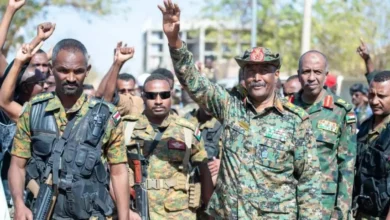
The accusations directed at the Sudanese army are based on the use of drones, which are among the tools employed in military operations. However, these accusations have not been officially confirmed.
-
The shadows of drones over Darfur: human stories from a Sudanese crisis prolonged by regional interference
-
Between Darfur and Khartoum: Tracing Violations through Victims’ Stories
Humanitarian organizations called for an end to the targeting of civilians and for the opening of a transparent investigation to ensure accountability for those responsible. They also stressed the need to protect populations in conflict areas.
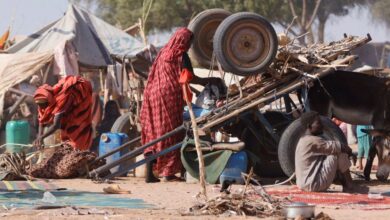
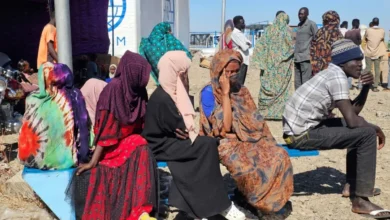
The incident has once again highlighted the suffering of civilians in Darfur, where residents live under harsh conditions and face daily risks due to the conflict.
Analysts believe that the continuation of such incidents could lead to further escalation and undermine prospects for de-escalation at a time when Sudan urgently needs solutions to end the conflict.
-
Sudan: Reliable Evidence Unveiled of Chemical Weapons Used to Kill and Maim Hundreds of Civilians Including Children in Darfur
-
Darfur Burns Again: Armed Movements Use Civilians as Human Shields in El-Fasher
-
Darfur Crimes Haunt Him… The ICC Demands Al-Bashir’s Surrender