Green salt or regular salt: which is better for lowering blood pressure?
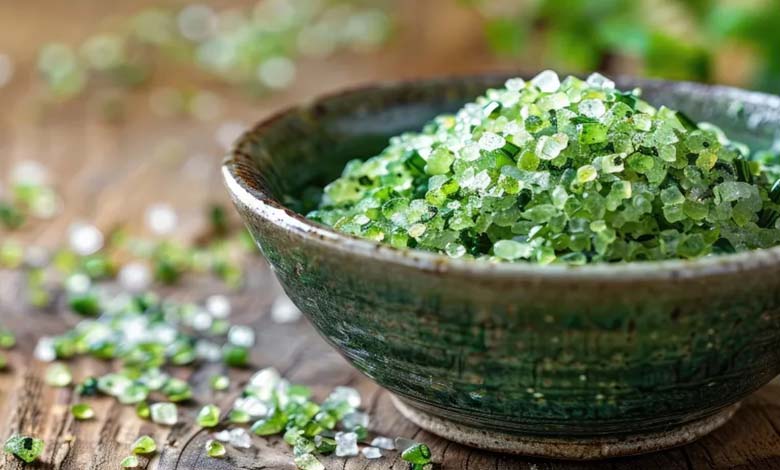
The relationship between salt intake and blood pressure is a major public health concern. Excess sodium consumption is widely recognized as a risk factor for hypertension, a condition associated with serious cardiovascular complications. In this context, alternative products such as “green salt” have emerged, often promoted as healthier options. But does it truly offer a better solution for lowering blood pressure?
Understanding the role of sodium in hypertension
Regular table salt is primarily composed of sodium chloride. Sodium plays an essential role in fluid balance and cellular function. However, excessive intake can lead to water retention and increased blood volume.
This places additional pressure on blood vessel walls, contributing to elevated blood pressure. Reducing sodium intake is therefore a key strategy in preventing and managing hypertension.
What is green salt?
The term “green salt” does not refer to a single chemical compound but rather to a mixture of salt combined with herbs, algae, or plant-based ingredients rich in minerals. Its color and composition may vary depending on the product.
The main goal of such products is to reduce sodium content while maintaining a pleasant taste. Herbs and algae provide flavor, allowing for lower salt usage.
Sodium reduction and impact on blood pressure
The effectiveness of green salt primarily lies in its ability to reduce overall sodium intake. By diluting salt with other ingredients, it becomes possible to lower sodium consumption without sacrificing taste.
This reduction may contribute to lower blood pressure, particularly in salt-sensitive individuals. However, the effect depends on actual consumption levels.
Role of alternative minerals
Some alternative salts contain minerals such as potassium or magnesium. Potassium, in particular, is known for its beneficial effects on blood pressure.
It promotes sodium excretion and helps relax blood vessels. Therefore, increased potassium intake combined with reduced sodium can have a synergistic effect on blood pressure regulation.
Limitations of green salt
Despite its potential benefits, green salt is not a universal solution. Its composition varies significantly, and not all products offer the same advantages.
Moreover, excessive consumption, even of alternative salts, can still result in high sodium intake. Effectiveness ultimately depends on overall dietary behavior.
Importance of dietary habits
Blood pressure management is not determined solely by the type of salt used. It depends on a combination of factors, including overall diet, physical activity, and lifestyle.
A diet rich in fruits, vegetables, and fiber, and low in processed foods, is essential for maintaining healthy blood pressure.
Comparison with regular salt
Regular salt, when consumed in excess, is clearly associated with an increased risk of hypertension. Green salt, on the other hand, may offer a useful alternative by reducing sodium intake.
However, the real difference depends on how these products are used. Simply replacing regular salt with green salt without reducing quantity may limit potential benefits.
Balanced approach and recommendations
Public health guidelines emphasize reducing overall salt consumption rather than focusing on a specific type. Using herbs, spices, and natural flavorings is an effective way to enhance taste without increasing sodium intake.
Green salt can be part of this strategy when used in moderation.
Green salt may represent a useful alternative to regular salt for reducing sodium intake and supporting blood pressure control.
However, its effectiveness depends on how it is used and the broader dietary context. A balanced approach that combines sodium reduction with improved eating habits remains the most effective strategy for maintaining cardiovascular health.