As summer approaches, how can you get rid of foot calluses and prevent their recurrence?
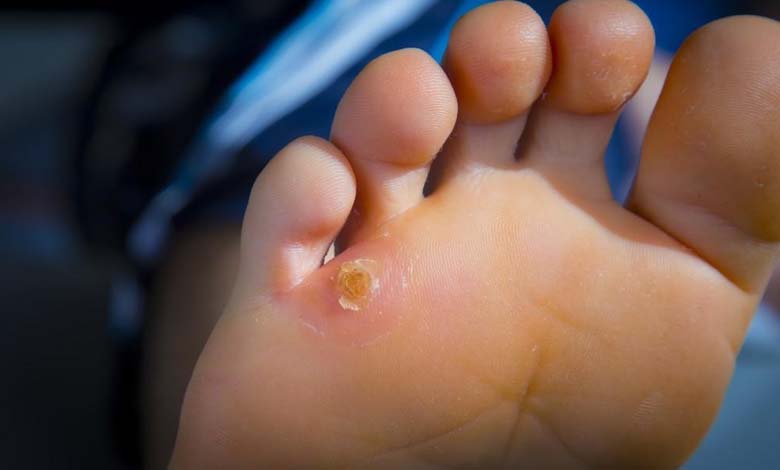
With the arrival of warmer weather, feet become more exposed, whether through sandals, open shoes, or outdoor activities. This increased exposure often highlights certain skin conditions that may have been overlooked during winter, particularly calluses. Although generally harmless, these thickened areas of skin can become uncomfortable or even painful and require appropriate care.
Understanding calluses: a protective mechanism
Calluses are areas of thickened skin that develop as a result of repeated pressure or friction. They commonly appear on contact points such as the heel, the sole, or the toes.
This process is a natural protective response designed to shield underlying tissues. However, when keratin buildup becomes excessive, it can lead to reduced skin flexibility and cracking.
Factors contributing to callus formation
Several factors contribute to the development of calluses. Wearing ill-fitting shoes, whether too tight or poorly adjusted, is one of the main causes. Prolonged standing or frequent walking also increases pressure on the feet.
Other elements, such as dry skin, postural imbalances, or specific health conditions, may exacerbate the issue.
Difference between calluses and other lesions
It is important to distinguish calluses from other skin conditions such as corns or warts. Calluses are generally more diffuse and less painful, whereas corns are localized and can cause significant discomfort.
Proper identification ensures appropriate management and avoids unsuitable treatments.
Basic care: hygiene and hydration
Managing calluses largely relies on simple but consistent measures. Proper foot hygiene is essential: daily washing followed by thorough drying helps maintain healthy skin.
Hydration plays a key role in both prevention and treatment. Applying emollient creams helps soften the skin and reduce keratin buildup.
Exfoliation and removal of dead skin
Regular exfoliation helps remove the outer layers of thickened skin. Using appropriate tools such as a pumice stone or a foot file can be effective when done gently.
Excessive abrasion should be avoided, as it may damage the skin and lead to complications.
Choosing the right footwear
Wearing suitable footwear is crucial for prevention. Well-fitted shoes that provide proper support and reduce pressure points help limit callus formation.
In summer, breathable materials and alternating shoe types are recommended to avoid constant pressure on the same areas.
Protection and prevention
Using protective devices such as pads or insoles can help redistribute pressure and reduce friction. These are particularly useful for individuals with sensitive areas.
Additionally, maintaining proper posture and a stable body weight can reduce pressure on the feet.
When to seek professional care
In some cases, calluses may become painful, cracked, or associated with complications. Consulting a healthcare professional, such as a podiatrist, is then recommended.
Individuals with diabetes or circulatory disorders should be especially cautious, as foot lesions may progress more rapidly and require specialized care.
Aesthetic impact and well-being
Beyond medical concerns, calluses can have an aesthetic impact, especially in summer when feet are more visible. Proper care not only improves physical comfort but also enhances confidence and overall well-being.
Conclusion
Foot calluses, although often harmless, require attention, particularly as summer approaches. A combination of regular care, appropriate footwear choices, and preventive measures can help reduce their occurrence and improve comfort.
Adopting a proactive and personalized approach is key to maintaining healthy and functional feet throughout the year.