Common foods potentially linked to worsening joint pain: mechanisms and individual variability

Joint pain is a common medical concern affecting diverse populations and occurring in various clinical contexts, including osteoarthritis, inflammatory conditions, and certain autoimmune diseases. While the causes of joint pain are complex and multifactorial, diet has emerged as a factor that may influence symptom severity and progression. Certain commonly consumed foods may, in some individuals, contribute to the worsening of joint discomfort.
The role of inflammation in joint pain
Inflammation is a central mechanism in many joint disorders. It involves activation of the immune system and the production of inflammatory mediators.
Dietary factors can modulate this inflammatory response, either amplifying or reducing it.
Added sugars and sweetened products
Foods high in added sugars, such as sugary drinks and processed desserts, may promote systemic inflammation. High consumption is associated with increased levels of inflammatory markers.
In some individuals, this may translate into increased joint pain.
Saturated fats and processed foods
Foods rich in saturated fats, particularly processed and fried items, may also contribute to an enhanced inflammatory response.
They are often associated with metabolic imbalance that can worsen joint symptoms.
Refined carbohydrates
Refined carbohydrates, found in white bread, pastries, and certain cereals, can cause rapid spikes in blood sugar.
These fluctuations may influence inflammatory processes and indirectly affect joint pain.
High-sodium foods
Excessive salt intake may contribute to imbalances in the body and influence certain immune responses.
Although the exact mechanisms are still under investigation, high sodium intake may be linked to worsening inflammatory symptoms.
Dairy products
Dairy products are subject to debate regarding their impact on joint pain. In some individuals, they may be associated with sensitivity or inflammatory reactions.
However, their effects vary widely between individuals.
Processed meats
Processed meats often contain additives and high levels of salt. Their consumption is associated with various health effects, including inflammation.
In some patients, they may contribute to worsening symptoms.
Alcohol
Alcohol consumption can influence the immune system and inflammatory processes. It may also interact with certain medications.
In some cases, it is associated with increased joint discomfort.
Food additives
Additives in processed foods are increasingly studied for their potential health effects. Some may influence inflammatory responses in sensitive individuals.
However, scientific evidence remains limited.
Individual sensitivity and variability
It is important to note that responses to food vary greatly among individuals. A food that worsens symptoms in one person may be well tolerated by another.
This variability highlights the importance of a personalized approach.
Importance of an anti-inflammatory diet
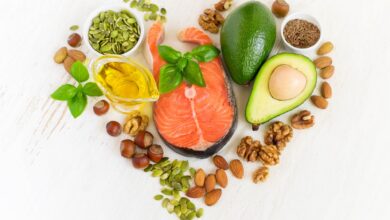
A diet rich in fruits, vegetables, fatty fish, nuts, and seeds is often associated with reduced inflammation.
These foods provide beneficial nutrients that may help alleviate joint pain.
A comprehensive management approach
Managing joint pain involves more than diet alone. Physical activity, sleep, stress management, and medical treatments also play essential roles.
A holistic approach can optimize outcomes.
Limitations of current knowledge
Although associations between diet and joint pain are increasingly observed, the precise mechanisms remain to be clarified.
Further research is needed to establish specific recommendations.
Conclusion
Certain common foods may be associated with worsening joint pain in some individuals, particularly due to their influence on inflammation.
However, these effects vary between individuals, and a personalized, balanced dietary approach remains essential for effective symptom management.