Hamas Struggles to Fill Leadership Vacancies as the Gap with Gazans Widens
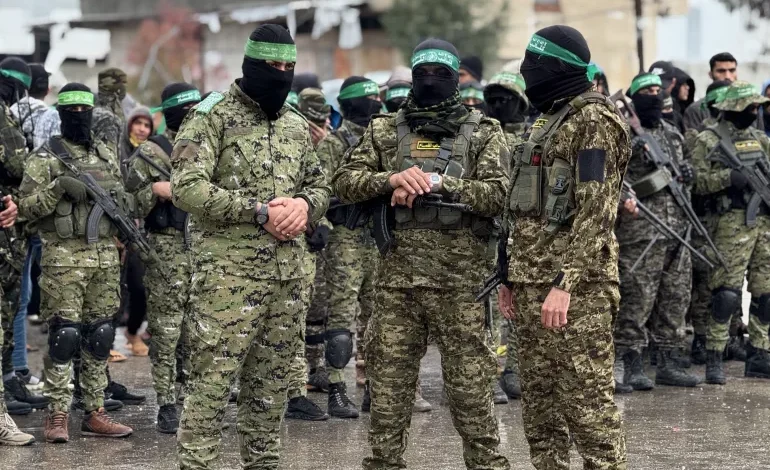
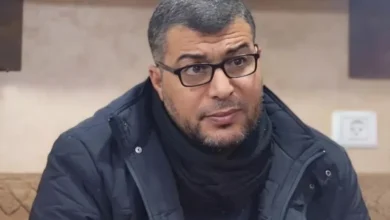
Before Gaza’s markets became crowded with shoppers preparing to celebrate Eid al-Adha, an Israeli airstrike targeted a building in Gaza City, killing one of Hamas’s most prominent leaders, Mohammed Awda, a commander who had been appointed head of the movement’s military wing only days earlier.
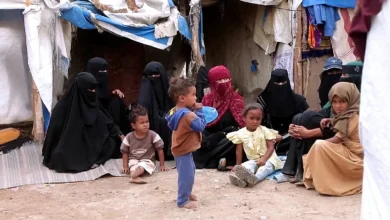
However, what appeared more significant than the assassination itself was its timing and the broader context. Just a few hours after the strike, media footage documented normal activity in the streets, with families and children busy purchasing holiday necessities. The scene highlighted the growing gap between the priorities of the movement’s military leadership and the concerns of residents living under the burden of a long and devastating war.
According to Fox News, this contrast reflects a deeper shift in public sentiment within the enclave, where reports of senior leaders being eliminated no longer carry the same symbolic impact they once did.
Awda’s death came only days after the killing of Izz al-Din Haddad, in a long series of strikes targeting key figures within the movement’s military structure, including Yahya Sinwar, whose name became closely associated with the October 7 attack.
Hadeel Oueis, editor-in-chief of Jisr News, believes that the successive assassinations have created a “clear vacuum” within the organization. She argues that the loss of leaders and the collapse of a strong central command are gradually transforming Hamas into “smaller militias competing with other armed groups operating in Gaza.”
She summarized the situation by saying: “Hamas is now fighting for survival.”
While Israeli leaders describe these figures as the architects of attacks and the source of an ongoing threat, public reactions documented in media reports and testimonies from within Gaza indicate a growing sense that the human cost of the war is no longer being shared equally.
The significance of these testimonies extends beyond attitudes toward the killing of any particular commander. They reveal a deep social exhaustion and an increasing sense of separation between military decision-making circles and the daily realities faced by the population.
Several Gaza residents, speaking anonymously for security reasons, expressed the belief that civilians are paying the highest price, while the leadership continues to manage the conflict from internal or external locations that are less exposed to direct danger.
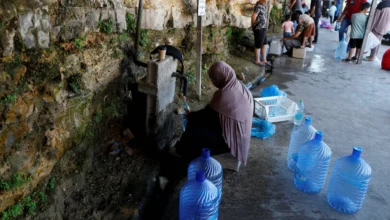
These testimonies repeatedly referenced scenes of destruction, displacement, deteriorating living conditions, and a growing feeling that the continuation of the war offers many people nothing but further losses with no clear horizon in sight.
At the same time, Israeli analysts caution against concluding that the wave of assassinations necessarily signals the imminent collapse of Hamas. Despite the substantial losses suffered by the leadership generation that planned the October attack, specialists in Palestinian affairs argue that the movement still retains a degree of organizational cohesion and the ability to generate new leaders, even if they are less experienced or influential than their predecessors.
This perspective suggests that the strength of an ideological and organizational structure is measured not only by the number of leaders eliminated, but also by its ability to continue functioning under pressure.
As power dynamics within Gaza continue to shift due to ongoing military operations, international efforts to shape a post-war framework are accelerating. Political and security initiatives are proposing plans aimed at reducing the influence of armed groups and rebuilding a unified system of governance in an attempt to create a more stable future for the enclave. However, the scale of destruction and the depth of social wounds make any settlement a lengthy and complex process.
Between markets that temporarily regain their vitality and neighborhoods that still bear the scars of war, the question most present for many Gazans is no longer the fate of one leader or another. Rather, it is the possibility of escaping a prolonged cycle of conflict in which civilians bear the greatest burden while seeking, even in a limited way, a return to normal life amid an extraordinary reality that continues to shape every aspect of their daily existence.