A Sign in the Legs May Reveal High Cholesterol Levels
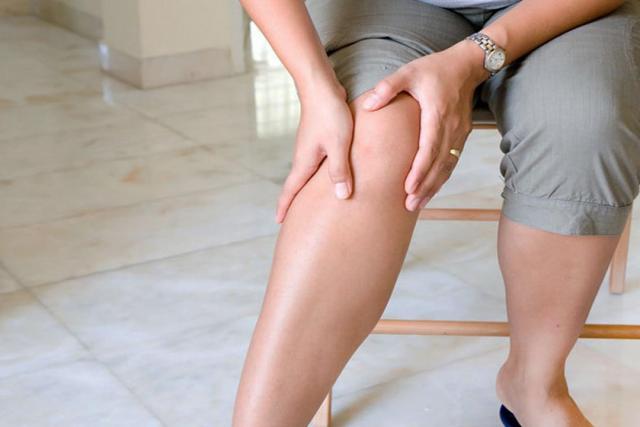
High cholesterol is often described as a “silent threat” because it can develop for many years without causing obvious symptoms. Behind this apparent silence, however, lies one of the most significant risk factors for cardiovascular disease, including heart attacks, strokes, and peripheral artery disease. Many people discover they have high cholesterol only during routine blood testing, sometimes after vascular damage has already begun.
In some cases, however, the body may provide warning signs before a diagnosis is made. Certain changes affecting the legs can serve as important clues. While these signs cannot confirm high cholesterol on their own, they may indicate impaired blood circulation that warrants medical evaluation.
Why Is Cholesterol Necessary?
Cholesterol is a fatty substance naturally produced by the body.
Contrary to popular belief, cholesterol itself is not harmful.
The body requires it to build cell membranes, produce hormones, and synthesize vitamin D.
Problems arise when certain cholesterol particles circulate in excessive amounts.
Over time, these particles can accumulate within artery walls and contribute to plaque formation.
Atherosclerosis: A Gradual Process
Atherosclerosis refers to the narrowing and hardening of arteries caused by fatty deposits.
This process often develops slowly over many years or even decades.
For a long time, it may produce no symptoms at all.
Its silent nature is one of the reasons it can be so dangerous.
When the Legs Become a Warning Signal
One possible consequence of high cholesterol is peripheral artery disease.
This condition develops when arteries supplying the lower limbs gradually become narrowed.
As blood flow decreases, muscles and tissues may no longer receive adequate oxygen and nutrients.
Under these circumstances, several visible or noticeable changes may occur in the legs.
Pain While Walking: A Frequently Overlooked Sign
One of the most common symptoms is pain, cramping, or discomfort in the calves, thighs, or buttocks during walking.
The discomfort usually disappears after a short period of rest.
Physicians refer to this symptom as intermittent claudication.
Many people mistakenly attribute it to aging, fatigue, or lack of fitness.
However, it may indicate restricted blood flow caused by arterial plaque buildup.
Unusually Cold Skin
Reduced circulation may lower skin temperature in the affected limb.
Some individuals notice that one leg or foot consistently feels colder than the other.
This difference may become particularly noticeable during periods of rest.
Changes in Skin Color
Poor circulation can also affect skin appearance.
The skin may become pale, bluish, or unusually shiny.
These changes occur because tissues are receiving less oxygen-rich blood.
Persistent discoloration should not be ignored.
Loss of Hair on the Legs
Progressive hair loss on the legs is a lesser-known sign of peripheral artery disease.
Hair follicles depend on an adequate blood supply to function normally.
When circulation declines over long periods, hair growth may slow down or stop altogether.
Changes in Toenails
Insufficient oxygen and nutrient delivery can affect nail growth.
Toenails may become thicker, more brittle, or grow more slowly than before.
Although these changes may result from various conditions, poor circulation is one possible cause.
Slow Healing of Wounds
One of the more concerning manifestations involves delayed wound healing.
Minor cuts or injuries on the feet and legs may take significantly longer to heal.
In severe cases, ulcers may develop.
Prompt medical attention is essential when this occurs.
Why Are the Legs Often Affected?
The lower limbs are located far from the heart and rely heavily on healthy arteries for adequate blood supply.
When arteries become narrowed, the legs are often among the first areas to experience reduced circulation.
Their oxygen demands increase particularly during walking and physical activity.
When blood flow cannot meet these demands, symptoms appear.
Other Possible Signs of High Cholesterol
High cholesterol itself rarely causes direct symptoms.
However, certain physical signs may occasionally occur:
- Yellowish deposits around the eyes.
- Fatty nodules beneath the skin.
- Chest pain related to coronary artery disease.
- Neurological symptoms when blood flow to the brain is affected.
These signs are relatively uncommon compared with the absence of symptoms in most individuals.
Major Risk Factors
Several factors contribute to elevated cholesterol levels:
- Diets high in saturated fats.
- Physical inactivity.
- Smoking.
- Excess body weight.
- Diabetes.
- Genetic predisposition.
- Aging.
The presence of multiple risk factors significantly increases overall cardiovascular risk.
The Importance of Screening
Because symptoms often appear late, regular screening is extremely important.
A simple blood test can measure:
- Total cholesterol.
- LDL cholesterol.
- HDL cholesterol.
- Triglycerides.
These values help assess cardiovascular risk and guide preventive strategies.
How Can Arteries Be Protected?
Prevention primarily depends on maintaining heart-healthy habits.
Experts generally recommend:
- A diet rich in fruits and vegetables.
- Adequate fiber intake.
- Regular physical activity.
- Smoking cessation.
- Maintaining a healthy weight.
- Stress management.
- Routine medical follow-up.
These measures help slow the progression of atherosclerosis.
The Role of Physical Activity
Exercise improves blood circulation and supports healthier cholesterol levels.
Even moderate physical activity performed consistently can provide substantial cardiovascular benefits.
Walking remains one of the most widely recommended forms of exercise.
When Should You Seek Medical Advice?
Any unusual leg pain associated with physical activity deserves attention.
Medical evaluation is also advisable if you experience:
- Persistent coldness in one limb.
- Changes in skin color.
- Unexplained hair loss on the legs.
- Poor wound healing.
- Persistent sores or ulcers.
Early diagnosis often helps prevent more serious complications.
Conclusion
An unusual sign affecting the legs may sometimes reveal underlying circulation problems linked to high cholesterol. Pain during walking, cold extremities, hair loss, skin changes, and delayed wound healing are among the symptoms that may indicate peripheral artery disease. Although these signs are not exclusive to high cholesterol, they are important warning signals that should not be ignored.
Because high cholesterol often develops silently for years, regular screening and the adoption of heart-healthy lifestyle habits remain the most effective strategies for preventing complications. Paying attention to subtle changes in the body may help identify a problem before it becomes significantly more serious.