Mediators’ Messages Fail to Break the Deadlock in Tehran-Washington Negotiations
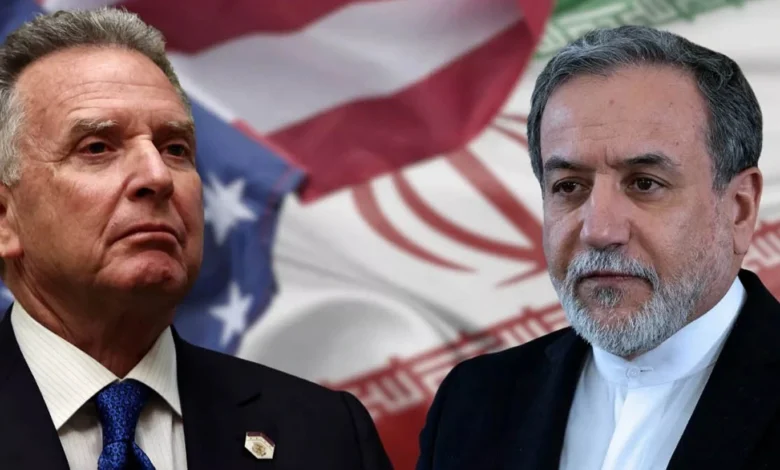
Baghaei denies U.S. involvement in talks with Oman over the Strait of Hormuz, describing them as positive.
Iranian Foreign Ministry spokesperson Esmaeil Baghaei said that “mediators are conveying messages to us from the United States, but we are not currently holding talks with them,” while the situation in the Strait of Hormuz “has not changed; it remains closed.” His remarks point to a continuing deadlock in negotiations between Tehran and Washington and a widening gap between the two sides, despite the relative de-escalation and the ceasefire that has been in place for three days.
-
Hotline Diplomacy: Efforts Underway to Preserve De-escalation Between Washington and Tehran
-
Axios: Washington and Tehran Agree to Halt Attacks and Resume Talks
Baghaei said that Tehran had not requested the resumption of talks with Washington, arguing that this “is not in our nature,” amid an ongoing exchange of hostile statements between Iranian and U.S. officials. He also addressed discussions with Oman concerning the management of the Strait of Hormuz, describing them as “positive.”
On Sunday, Iran announced that it was suspending its attacks against countries in the region, as Washington halted its strikes on Iran for the second consecutive day. Iranian army spokesperson Mohammad Akrami-Nia said: “The Americans stopped their attacks over the past two nights,” adding: “Since our strategy is fundamentally based on responding in kind, we have also suspended our retaliatory operations.”
-
Swiss Negotiations Test the Prospects for De-escalation Between Washington and Tehran
-
Military escalation between Washington and Tehran derails hopes of a settlement
Meanwhile, U.S. Ambassador to the United Nations Mike Waltz said Sunday that President Donald Trump was once again giving diplomacy with Iran “some room.” Speaking to Fox News, Waltz said the United States remained “ready” to launch further strikes and that “additional military resources have been sent to the region,” but added that Trump “is giving the talks some room and allowing them a little space.”
The U.S. military had announced that it carried out strikes against Iran for 13 consecutive nights, marking the most extensive combat operations since the ceasefire agreement reached in April 2026. In response to the resumption of hostilities on July 7, 2026, Iran once again closed the Strait of Hormuz and launched missiles and drones at several countries in the region.
-
Diplomacy races against rising tensions: anticipation of Muscat talks between Washington and Tehran
-
Washington and Tehran discuss a ‘political ceasefire’
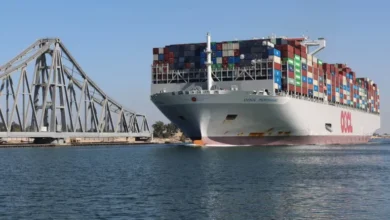
Renewed fighting around the Strait of Hormuz disrupted diplomatic efforts between Washington and Tehran, reviving market volatility given the strategic importance of the waterway to energy supplies and maritime shipping.
However, the recent relative calm has revived hopes of a return to negotiations, which had previously resulted in a memorandum of understanding signed by Washington and Tehran in mid-June 2026.
Saudi Arabia and Oman on Monday stressed the importance of advancing joint diplomatic efforts to ensure the safety and freedom of maritime navigation in the Strait of Hormuz. The statement came during a phone call between Saudi Foreign Minister Faisal bin Farhan and his Omani counterpart, Badr al-Busaidi, according to a statement from the Saudi Foreign Ministry.
-
Tehran Increases Pressure on Washington by Calling for the Closure of the Bab el-Mandeb Strait
-
New Escalation in the Gulf Threatens Prospects for an Agreement Between Tehran and Washington
According to the statement, the two officials reviewed bilateral relations, discussed several issues of mutual interest, and examined the latest regional developments. They stressed “the importance of strengthening coordination and consultation and advancing joint diplomatic efforts to preserve security and stability in the region and ensure the safety and freedom of maritime navigation in the Strait of Hormuz.”
On Sunday, Baghaei said that his country had held talks with an Omani delegation regarding the security of shipping traffic in the Strait of Hormuz and arrangements for regulating navigation through the waterway.
-
Reciprocal Attacks Between Tehran and Washington Complicate the Settlement Process
-
Tehran’s Stubbornness and Washington’s Tough Stance Keep a Potential Agreement Trapped in a Maze of Conditions
The developments come as a fragile calm has prevailed in the region since Friday, following the suspension of U.S. strikes against Iran and the halt of Iranian retaliatory attacks for a third consecutive day, after an escalation that began on July 11. The 13-day escalation involved U.S. attacks on Iran, to which Tehran responded by targeting what it described as U.S. military facilities and equipment in several Arab countries, including Saudi Arabia and Oman.
The escalation occurred despite Washington and Tehran signing a memorandum of understanding last June that included a cessation of hostilities and the launch of negotiations aimed at reaching a broader agreement to end the war initiated by Israel and the United States on February 28. However, Trump announced on July 8 that the ceasefire had ended after tankers in the Strait of Hormuz came under attack, with Washington accusing Tehran of being responsible.
-
Washington, Tehran, and mediators discuss a phased truce to achieve a ceasefire
-
Contradictory conditions push Tehran and Washington toward a deadlock
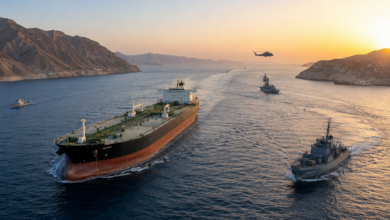
Washington is demanding that Tehran stop attacking ships and guarantee freedom of navigation through the Strait of Hormuz. Iran, meanwhile, insists that the passage of vessels be subject to a mechanism that it regulates through the waterway off its coastline, heightening fears of disruptions to regional oil and gas exports.
Baghaei denied U.S. participation in the talks with Oman regarding the Strait of Hormuz, saying: “These talks have nothing to do with the United States. They are a bilateral matter between Iran and Oman, and they are ongoing.” He added that the waterway “remains closed.”
-
Washington Targets Tehran with Harsh Sanctions as Araghtchi Demands War Reparations
-
Tehran and Washington Resume Nuclear Talks Under the Pressure of Red Lines
Addressing the United Kingdom, Baghaei said he had expected the new British government to act with greater wisdom regarding the debate over the Strait of Hormuz. He added that any intervention in the matter would only complicate the situation and would not contribute to resolving the problem, arguing that the parties concerned should focus on “the core of the issue.”
He explained his position by holding both the United States and Israel responsible for “the current situation” in the strategic waterway, saying: “There is no reason or motive for the current situation other than the acts of aggression by the United States and the Zionist entity against Iran.” He added that the Strait of Hormuz had been open before Washington’s military “aggression” on February 29.
-
Trump Threatens Iran with Broader Strikes as Beijing and Islamabad Open the Door to Negotiations
-
Washington and London Rally Allies: Western Plan to Secure the Strait of Hormuz and Contain Iran
-
Washington Uses Seized Iranian Funds to Compensate Damaged Ships
-
B-1 Over Iranian Skies: Washington Deploys the Deadly Bomber
-
Tehran Triples Drone Production in Defiance of Washington