Experts Warn Against Eating Bananas Alone for Breakfast: Here’s Why
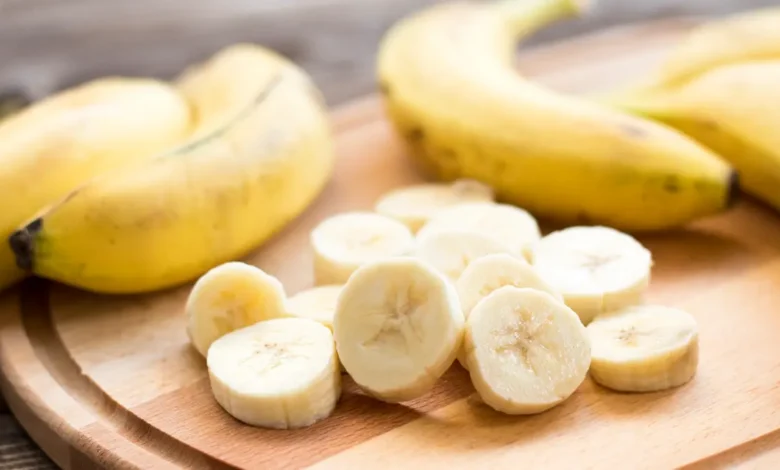
Bananas are among the most widely consumed fruits in the world because of their natural sweetness, nutritional value, affordability, and convenience. They are often viewed as an ideal breakfast food since they provide quick energy and require no preparation. However, some nutrition experts suggest that eating a banana by itself as the first meal of the day may not be the best strategy for maintaining steady energy levels and stable blood sugar throughout the morning.
-
Strawberries or bananas: which is better for blood sugar and energy levels?
-
Can Bananas and Avocados Trigger Migraines? Understanding the Mechanisms and Adopting Effective Strategies
Bananas are an excellent source of natural carbohydrates, primarily in the form of glucose, fructose, and sucrose. They also provide dietary fiber, vitamin B6, vitamin C, potassium, magnesium, and a variety of antioxidant compounds. These nutrients support normal nerve function, muscle health, blood pressure regulation, immune function, and energy metabolism, making bananas an important component of a healthy diet.
Despite these nutritional advantages, bananas contain a relatively high proportion of easily digestible carbohydrates. When eaten alone, particularly on an empty stomach, they may cause blood glucose levels to rise relatively quickly. This increase stimulates insulin release, which helps move glucose into the body’s cells. In some individuals, this process may be followed by a more rapid decline in blood sugar, leading to feelings of fatigue, hunger, reduced concentration, or decreased energy a few hours after breakfast.
Nutrition experts explain that the ripeness of the banana significantly influences its effect on blood sugar. As bananas ripen, much of their resistant starch is converted into simple sugars, increasing their glycemic index. Slightly green bananas contain higher amounts of resistant starch, which is digested more slowly and generally produces a more gradual rise in blood glucose levels.
Another reason some experts discourage eating bananas alone for breakfast is their relatively low protein and fat content. While bananas supply carbohydrates, vitamins, and minerals, they provide only small amounts of protein and healthy fats. These nutrients are essential for promoting fullness, slowing digestion, stabilizing blood sugar levels, and providing sustained energy throughout the morning. As a result, a breakfast consisting solely of a banana may leave many people feeling hungry sooner than expected.
-
Bananas and Potassium Sources: An Effective Alternative to Lower Blood Pressure
-
Including Bananas: Potassium-Rich Foods That Control Blood Pressure
Dietitians therefore recommend combining bananas with foods rich in protein and healthy fats to create a more balanced meal. Pairing a banana with plain Greek yogurt, cottage cheese, oatmeal, almonds, walnuts, chia seeds, flaxseeds, or natural peanut butter can slow carbohydrate absorption, prolong satiety, and provide a steadier release of energy. Such combinations also improve the overall nutritional quality of breakfast by supplying essential amino acids, healthy fats, and additional fiber.
For athletes and physically active individuals, bananas remain an excellent food before or after exercise. Their natural carbohydrates provide readily available energy, while their high potassium content supports proper muscle contraction, nerve signaling, and electrolyte balance. When combined with a source of protein after exercise, bananas may also contribute to muscle recovery and glycogen replenishment.
-
Consuming unripe bananas protects against a serious disease
-
The surprising health benefits of bananas
People with diabetes or insulin resistance can still include bananas in a healthy eating plan. However, healthcare professionals generally recommend controlling portion sizes and pairing bananas with protein, fiber, or healthy fats to minimize blood sugar fluctuations. Individual responses vary, and dietary recommendations should always be personalized according to medical history, medications, and overall nutritional needs.
It is also important to recognize that not everyone responds to bananas in the same way. Factors such as metabolism, physical activity level, gut microbiota, age, body weight, and the composition of the entire meal all influence post-meal blood sugar responses. For most healthy individuals, eating a banana as part of a balanced breakfast does not present any health concerns.
-
What Happens to Your Body When You Stop Eating Added Sugar?
-
Banana or Mango: Which Fruit Gives Your Body More Energy?
Nutrition experts emphasize that overall dietary quality is far more important than focusing on any single food. A nutritious breakfast should ideally include complex carbohydrates, lean protein, healthy unsaturated fats, dietary fiber, vitamins, and minerals to support sustained energy production, cognitive performance, and overall metabolic health throughout the day.
In conclusion, experts are not advising people to avoid bananas at breakfast altogether. Rather, they caution against eating them alone as the sole morning meal. When combined with protein-rich foods, healthy fats, and fiber, bananas remain a highly nutritious fruit that can be an excellent component of a balanced breakfast. The key is to create a complete meal that promotes stable blood sugar, prolonged satiety, and optimal nutrition while supporting long-term health.
-
Popular foods to avoid combining with avocado to reduce certain health risks
-
For a healthier summer: seven naturally sweet fruits that can outperform sugary desserts