An Unexpected Effect of Chewing Gum on Blood Pressure After Beetroot Consumption
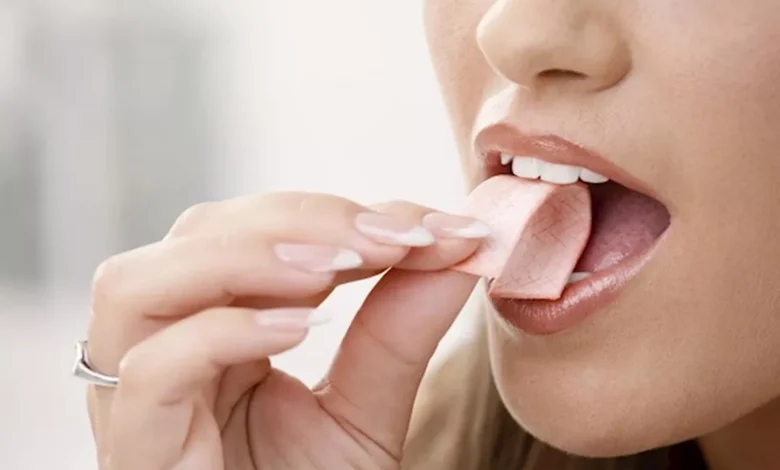
Beetroot has become a major focus of cardiovascular nutrition research over the past decade. Rich in naturally occurring dietary nitrates, this vegetable is widely associated with improved vascular function, lower blood pressure, and enhanced blood circulation. However, recent scientific findings have revealed a surprising phenomenon: chewing gum after consuming beetroot may reduce or even partially interfere with some of its beneficial effects on blood pressure.
This discovery highlights the complexity of interactions between nutrition, oral physiology, and cardiovascular health. It also demonstrates that the benefits of a food depend not only on its nutritional composition but also on the biological processes that occur after consumption.
Why is beetroot beneficial for cardiovascular health?
Beetroot naturally contains high levels of dietary nitrates. Contrary to common misconceptions, nitrates obtained from vegetables are generally considered beneficial.
After ingestion, nitrates undergo a unique biological pathway:
- absorption through the digestive tract;
- circulation in the bloodstream;
- concentration within the salivary glands;
- secretion into saliva;
- conversion by bacteria living in the mouth.
This final step is essential because it produces nitrites, which are later converted into nitric oxide within the body.
The crucial role of nitric oxide
Nitric oxide is an extremely important molecule for cardiovascular health.
Its functions include:
- widening blood vessels;
- improving blood flow;
- reducing vascular resistance;
- supporting endothelial function;
- helping regulate blood pressure.
When nitric oxide levels rise, blood vessels relax and expand, allowing blood to circulate more efficiently and contributing to lower blood pressure.
This mechanism largely explains why beetroot consumption is frequently associated with modest reductions in blood pressure.
The often-overlooked role of the oral microbiome
One of the most significant discoveries in recent years concerns the role of the oral microbiome.
The human mouth hosts hundreds of bacterial species. Some of these bacteria possess the ability to convert dietary nitrates into nitrites.
Without this conversion process, nitric oxide production is significantly reduced.
As a result, oral health and microbial balance play a much greater role in cardiovascular regulation than previously recognized.
The unexpected impact of chewing gum
Researchers recently investigated how certain oral habits might affect this biological pathway.
Their findings suggest that chewing gum after consuming beetroot may alter the oral environment and interfere with the activity of nitrate-converting bacteria.
Several mechanisms have been proposed:
- changes in salivary pH;
- increased saliva production;
- dilution of oral nitrate concentrations;
- temporary disruption of bacterial activity;
- interactions with ingredients found in chewing gum.
These changes may reduce nitrite formation and subsequently limit nitric oxide production.
Effects observed on blood pressure
In some experiments, participants who consumed beetroot without chewing gum experienced a greater reduction in blood pressure compared with those who chewed gum afterward.
Although the differences were not always dramatic, they were significant enough to attract scientific attention.
This observation demonstrates how seemingly minor daily habits can influence the effectiveness of nutritional mechanisms.
Similarities with antiseptic mouthwash research
This phenomenon is not entirely unprecedented.
Previous studies have shown that certain antiseptic mouthwashes can reduce the ability of oral bacteria to convert dietary nitrates.
Regular users of antibacterial mouthwashes sometimes exhibit reduced cardiovascular benefits associated with nitrate-rich vegetables.
Chewing gum may operate through a different mechanism while producing a partially similar outcome.
Implications for athletes
Dietary nitrates are also widely studied in sports performance research.
Enhanced nitric oxide production may:
- improve muscular efficiency;
- enhance oxygen utilization;
- delay fatigue onset;
- support endurance performance.
If certain oral habits reduce nitrate conversion, they could potentially diminish some of the performance-enhancing benefits sought by athletes who consume beetroot juice before training or competition.
A discovery illustrating the complexity of human biology
This research highlights an often-overlooked reality: the effects of food depend on highly complex interactions involving multiple organs and biological systems.
For many years, researchers focused primarily on processes occurring in the stomach and intestines. It is now increasingly clear that the mouth also plays a major role in metabolic regulation.
As a result, the oral microbiome has become a rapidly expanding area of scientific investigation.
Should people avoid chewing gum after eating beetroot?
Scientists remain cautious.
Current evidence does not yet demonstrate that all chewing gums produce the same effect or that the impact is clinically significant for everyone.
Nevertheless, individuals seeking to maximize the cardiovascular benefits of beetroot and other nitrate-rich foods may consider avoiding chewing gum immediately after consumption until further research provides clearer answers.
Future research directions
Researchers are now exploring several important questions:
- which chewing gum ingredients may be responsible;
- how long the interaction lasts;
- whether other oral habits produce similar effects;
- which populations may be most affected.
These investigations may help refine future nutritional recommendations for cardiovascular health.
Conclusion
The discovery that chewing gum may reduce some of beetroot’s cardiovascular benefits illustrates the remarkable complexity of human biology. By temporarily interfering with oral bacteria responsible for converting dietary nitrates, chewing gum may limit nitric oxide production and reduce the blood-pressure-lowering effects associated with beetroot consumption.
Although further studies are needed to confirm and clarify these findings, this research highlights the underestimated importance of the oral microbiome in cardiovascular health and demonstrates that even seemingly insignificant daily habits can influence how the body responds to healthy foods.