What Happens to Your Body When You Eat Raw Shrimp?
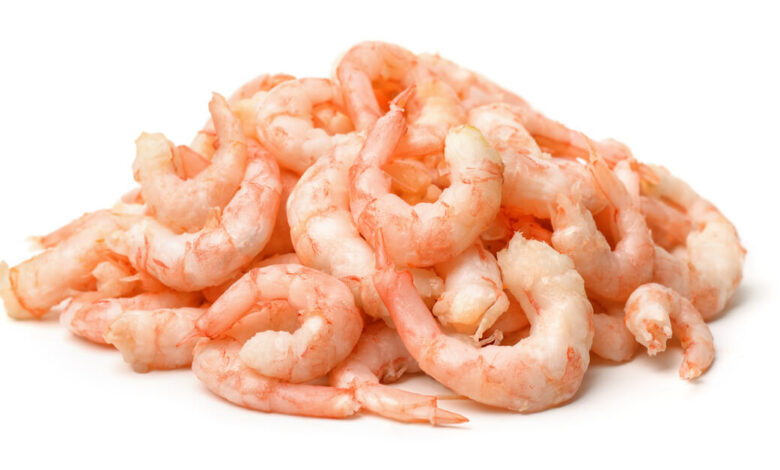
Shrimp are an excellent source of protein, vitamin B12, selenium, iodine, and several other nutrients. However, eating shrimp raw or undercooked can carry significant health risks. Unlike properly cooked shrimp, raw shrimp may contain bacteria, viruses, or parasites capable of causing food poisoning and gastrointestinal infections.
-
Material with ‘Shrimp’ to Stop Bleeding… How Does It Work?
-
Plastic in Our Plates: Foods Becoming a Health Threat
One of the main concerns is the presence of microorganisms in raw seafood. Certain bacteria, including species belonging to the Vibrio genus, can occur naturally in marine environments and contaminate shellfish. Consuming contaminated seafood may cause gastroenteritis, with symptoms such as abdominal pain, diarrhea, nausea, and vomiting.
Raw shrimp can also become contaminated with other bacteria responsible for foodborne illness. Contamination may occur during harvesting, transportation, storage, or preparation. Even when shrimp look fresh and have no unusual odor, their appearance does not guarantee that they are free from harmful microorganisms.
After eating contaminated food, symptoms may develop within a relatively short period or several hours later, depending on the microorganism involved. Common symptoms include abdominal cramps, diarrhea, nausea, vomiting, and sometimes fever. In many cases, the illness is self-limited, but certain infections can become serious.
People with certain chronic health conditions or weakened immune systems face a higher risk of complications. Individuals with liver disease, for example, can be particularly vulnerable to severe Vibrio infections. Pregnant women, older adults, and people with weakened immune systems should also be especially cautious about consuming raw or undercooked seafood.
-
The worst foods that increase cholesterol
-
Why Does Egg Yolk Color Vary? The Answer Lies in What the Hen Eats
Another important concern is allergic reactions. Shrimp are among the shellfish most commonly associated with food allergies. In an allergic person, even a small amount can trigger hives, itching, swelling of the face or throat, difficulty breathing, or, in severe cases, anaphylaxis, which requires urgent medical attention.
Freezing is not necessarily sufficient protection against every foodborne hazard. Certain freezing methods can reduce the risk associated with some parasites, but they do not necessarily eliminate all bacteria or toxins that may be present. Proper cooking therefore remains one of the most effective ways to reduce the risk of foodborne infection.
Cooking shrimp thoroughly can destroy most harmful microorganisms when performed correctly. Shrimp should be cooked until the flesh becomes firm and opaque. It is also important to prevent cross-contamination by keeping raw seafood separate from ready-to-eat foods and by thoroughly cleaning utensils, hands, and surfaces used during preparation.
If someone develops diarrhea or vomiting after eating raw shrimp, maintaining adequate fluid intake is important to reduce the risk of dehydration. Medical attention is particularly important if symptoms include high fever, bloody stools, severe abdominal pain, signs of dehydration, or persistent illness, as well as for people at higher risk of complications.
Overall, shrimp can be a nutritious food, but eating them raw increases the risk of foodborne illness and infection. To reduce this risk, it is safer to consume properly cooked shrimp, maintain appropriate refrigeration, and follow strict food-safety practices during preparation.
-
Weight-Loss Medications May Reduce Fracture Risk in People with Diabetes
-
Can Aloe Vera Juice Heal the Intestinal Lining?