How Do Bananas and Grapes Affect Your Diet?
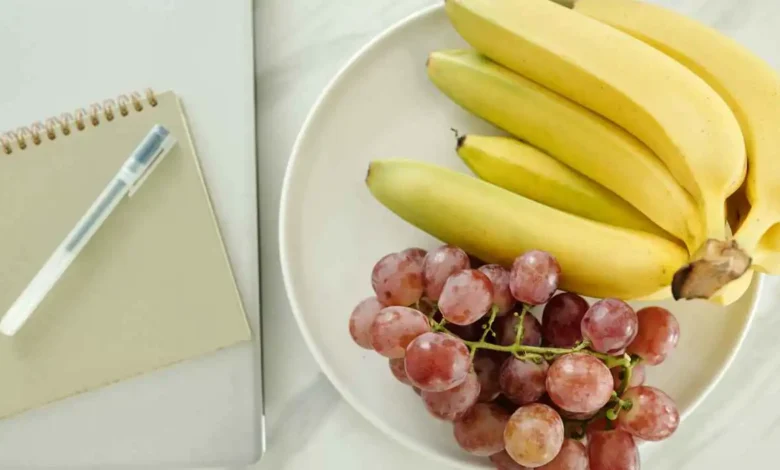
Bananas and grapes are two popular fruits that can easily be included in a balanced diet. Both provide natural carbohydrates, fiber, vitamins, minerals, and a variety of beneficial plant compounds. However, their nutritional profiles are not identical, and their effects on satiety, blood glucose, and energy intake can vary depending on portion size and the rest of the diet.
-
Experts Warn Against Eating Bananas Alone for Breakfast: Here’s Why
-
How the Timing of Banana Consumption Influences Athletic Performance
Bananas are particularly useful as a source of carbohydrates, making them a convenient food for providing energy. They are also rich in potassium, an essential mineral involved in normal muscle and nerve function as well as fluid balance. Bananas also provide dietary fiber, particularly when they are eaten whole rather than consumed as juice or in sweetened preparations.
The ripeness of a banana can influence its composition. As a banana ripens, some of its starch is gradually converted into simpler sugars. A very ripe banana therefore tends to taste sweeter and may raise blood glucose more quickly than a less ripe banana. This does not mean that bananas need to be avoided. For most people, they can be part of a varied and balanced diet.
-
Banana or Mango: Which Fruit Gives Your Body More Energy?
-
Strawberries or bananas: which is better for blood sugar and energy levels?
Grapes, meanwhile, contain a high proportion of water and provide natural carbohydrates. They also supply fiber, potassium, and various plant compounds, particularly polyphenols. Compounds such as resveratrol and flavonoids have been studied for their antioxidant properties and their potential role in cardiovascular health.
One important benefit of both fruits is that they can replace foods and desserts that contain much larger amounts of added sugar. Eating a whole banana or a portion of whole grapes provides fiber and micronutrients that are absent or present in much smaller amounts in many highly processed sugary foods.
-
Can Bananas and Avocados Trigger Migraines? Understanding the Mechanisms and Adopting Effective Strategies
-
The Benefits of Eating Bananas for Breakfast
However, portion size still matters. Grapes are particularly easy to consume in large quantities because individual grapes are small and can be eaten quickly. A moderate serving allows you to benefit from their nutrients without unnecessarily increasing daily calorie intake. Similarly, eating several bananas every day may provide a substantial amount of carbohydrates and calories, depending on individual nutritional needs.
People with diabetes or those monitoring their blood glucose generally do not need to eliminate these fruits. Instead, portion control, whole fruit, and an overall balanced diet are more important. Pairing fruit with a source of protein or healthy fat, such as plain yogurt or a small portion of nuts, may also slow digestion and improve satiety.
-
Nutrition Experts Reveal the Benefits of Red Bananas
-
How Does Banana Affect the Benefits of Berry Juice?
Greater caution is warranted with fruit juices and highly processed banana- or grape-based products. Juicing removes much of the fiber and makes it possible to consume a large amount of natural sugar quickly. Beverages and processed products containing added sugar, syrups, or other calorie-dense ingredients can also have a very different nutritional profile from the original fruit.
Bananas and grapes can therefore contribute to a healthy diet when consumed in appropriate portions. Their carbohydrate content alone is not a reason to eliminate them. What matters most is the overall quality of the diet, the variety of fruits and vegetables consumed, and the amount of food appropriate for each person’s energy needs.
Overall, bananas provide valuable amounts of potassium, fiber, and carbohydrates, while grapes provide water, fiber, and a range of polyphenols. When eaten whole and in moderation, both fruits can be nutritious, convenient choices as part of a balanced eating pattern.
-
Bananas and Potassium Sources: An Effective Alternative to Lower Blood Pressure
-
For these reasons, make sure to eat a banana every day
-
Including Bananas: Potassium-Rich Foods That Control Blood Pressure