Two Weeks of Beetroot Consumption May Lower Blood Pressure in Older Adults
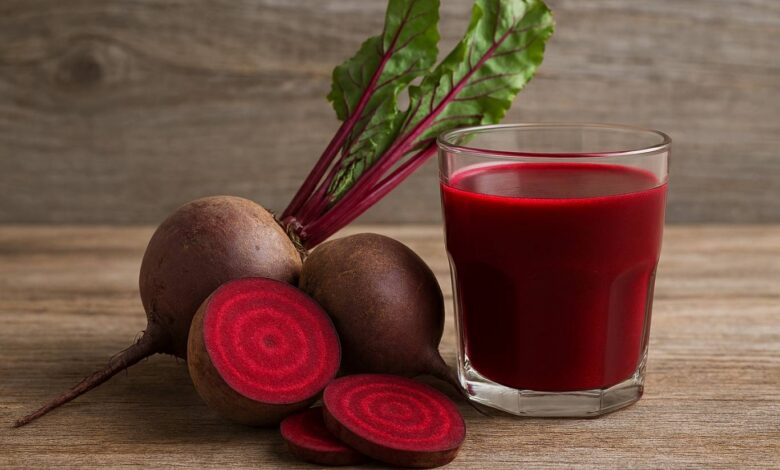
Beetroot has become a major focus of cardiovascular nutrition research in recent years. This root vegetable, known for its deep red color and impressive nutritional profile, has attracted particular scientific interest because of its high concentration of natural dietary nitrates. Numerous studies suggest that regular beetroot consumption may support vascular health, especially among older adults, a population particularly vulnerable to hypertension.
Recent research indicates that consuming beetroot daily for approximately two weeks may help reduce blood pressure in seniors. This finding reinforces the growing interest in nutritional approaches for preventing cardiovascular disease and improving quality of life in aging populations.
-
Can beetroot juice with chili provide more energy than coffee?
-
Everyday Herbs, Including Coriander, as Potential Protectors Against Cancer and Heart Disease
Hypertension: a major public health challenge
Hypertension remains one of the leading risk factors for cardiovascular disease worldwide.
It is associated with an increased risk of:
- heart attack;
- stroke;
- heart failure;
- chronic kidney disease;
- cognitive decline.
As people age, arteries gradually lose elasticity, contributing to rising blood pressure levels.
This physiological process explains why hypertension is especially common among older adults.
Why are researchers interested in beetroot?
Beetroot naturally contains high levels of dietary nitrates.
Unlike nitrates found in certain processed foods, plant-derived nitrates are generally considered beneficial for cardiovascular health.
After consumption, these nitrates undergo a complex biological pathway:
- absorption in the intestine;
- circulation through the bloodstream;
- concentration in the salivary glands;
- conversion by oral bacteria;
- transformation into nitric oxide.
Nitric oxide plays a crucial role in vascular regulation.
-
Beetroot juice: a natural secret to boost liver health
-
Can melatonin reduce the risks of pesticides in food?
The essential role of nitric oxide
Nitric oxide is a molecule naturally produced within the body.
Its functions include:
- relaxing blood vessels;
- improving blood circulation;
- reducing vascular resistance;
- supporting endothelial function;
- regulating blood pressure.
When nitric oxide production increases, arteries expand more effectively, allowing blood to flow more easily.
This mechanism helps reduce pressure exerted on arterial walls.
Results observed after two weeks
Several studies involving older adults have shown that daily consumption of beetroot or beetroot juice for approximately fourteen days may produce measurable reductions in blood pressure.
Researchers observed:
- improved vascular function;
- enhanced arterial dilation;
- reductions in systolic blood pressure;
- improvements in certain cardiovascular markers.
Although responses vary among individuals, these findings suggest that beetroot may serve as a valuable nutritional component within broader cardiovascular prevention strategies.
-
Drinking Beetroot Juice on an Empty Stomach: Safe or Risky?
-
Does Beetroot Juice Help Detoxify the Liver? A Deep Scientific Analysis
Why older adults may benefit the most
As people age, the body’s natural ability to produce nitric oxide tends to decline.
This reduction contributes to:
- arterial stiffness;
- impaired endothelial function;
- increased cardiovascular risk.
Additional dietary nitrates may partially compensate for this physiological decline and support healthier vascular function.
This hypothesis explains the strong scientific interest in studying beetroot among elderly populations.
Additional health benefits of beetroot
Beyond its influence on blood pressure, beetroot offers numerous nutritional advantages.
It is rich in:
- dietary fiber;
- potassium;
- folate;
- vitamin C;
- polyphenols;
- antioxidant pigments known as betalains.
These compounds help protect cells from oxidative stress and support various metabolic functions.
-
Can moderate coffee consumption reduce stress and improve mood? A scientific analysis of neurobiological mechanisms and evidence
-
What Happens to Your Body When You Drink Coconut Water Daily?
Beetroot and brain health
Improved circulation benefits not only the heart but also the brain.
The brain requires a continuous supply of oxygen and nutrients.
Some studies suggest that enhanced cerebral blood flow associated with nitric oxide production may help:
- support cognitive function;
- improve brain oxygenation;
- preserve cerebrovascular health.
Although evidence remains limited, this area has become increasingly important in research on healthy aging.
Benefits for physical performance
The nitrates found in beetroot are also widely studied in sports and exercise science.
They may help:
- improve muscle efficiency;
- optimize oxygen utilization;
- reduce fatigue;
- enhance endurance.
Among older adults, these effects could contribute to maintaining mobility and independence.
-
An Artificial Heart to Test Medications Without Risk to Humans
-
Is it recommended to eat papaya at night? Nutritional analysis, digestion, and eating habits
Limitations of current research
Despite encouraging findings, researchers acknowledge several important limitations.
Available studies often involve:
- relatively small participant groups;
- short observation periods;
- varying nitrate doses;
- differences in participant health status.
Further research is therefore necessary to determine the full extent of the observed benefits.
Beetroot is not a substitute for medical treatment
Health experts emphasize that beetroot should not be viewed as a replacement for prescribed blood pressure medications.
Antihypertensive therapies remain essential when recommended by healthcare professionals.
Instead, beetroot should be considered a complementary nutritional strategy within a broader lifestyle approach that includes:
- a balanced diet;
- regular physical activity;
- adequate sleep;
- smoking cessation;
- appropriate medical supervision.
-
Soaked Raisins: Your Winter Health Ally
-
How Root Canal Treatment Contributes to Heart Health
Are there any precautions?
Beetroot is generally well tolerated.
However, caution may be warranted for:
- individuals prone to oxalate-related kidney stones;
- people taking certain medications;
- individuals with advanced kidney disease.
Medical guidance is advisable for those with chronic health conditions.
Future perspectives
Researchers aim to better understand:
- optimal dietary nitrate intake;
- ideal duration of consumption;
- long-term effects;
- interactions with blood pressure medications.
These studies may contribute to the development of new nutritional strategies for cardiovascular prevention in aging populations.
-
Can DNA Reveal the Risk of Diabetes and Heart Disease?
-
Onion: A Natural Food Supporting Diabetic Patients and Protecting Heart Health
Current scientific evidence suggests that daily beetroot consumption for two weeks may help reduce blood pressure in older adults through its rich supply of natural nitrates and its influence on nitric oxide production. This improvement in vascular function may represent a valuable complementary approach to cardiovascular disease prevention.
However, beetroot should not be considered a medical treatment. Its benefits are best viewed as part of a comprehensive healthy lifestyle that includes proper nutrition, regular exercise, and appropriate medical care. Future research will help clarify its precise role in supporting cardiovascular health during aging.
-
Study: Pomegranate Stimulates Youth Hormone in Older Adults
-
Accelerated decline in male fertility: the alarming role of plastics