The Mobilization Forces: A Houthi Version of Iran’s Basij
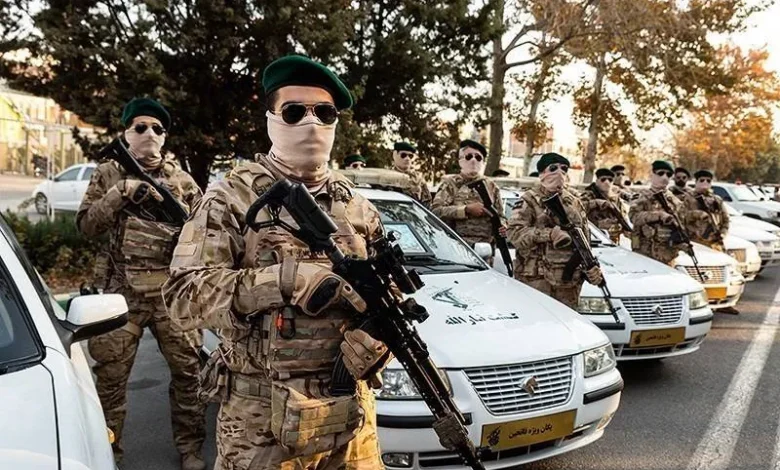
The announcement of this new force represents an attempt to establish a more flexible framework for integrating supporters and expanding recruitment beyond the Houthis’ traditional military formations.
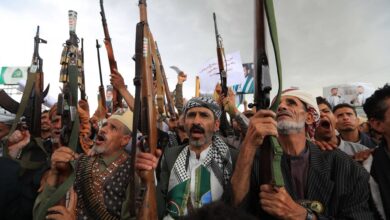
The Houthis have announced the establishment of a new formation called the “Mobilization Forces” as part of an effort to build a parallel force modeled on Iran’s Basij. The move comes as the group faces mounting internal challenges related to organizational disputes, economic pressures, and growing signs of public dissatisfaction within the territories under its control.
-
The Impoverishment of Yemenis as a Houthi Weapon: Human Rights Report Documents Political Starvation
-
Widespread Houthi Mobilisation Signals Possible New Phase of Internal Fighting
The creation of this new force coincides with an escalation in the military rhetoric of Houthi leaders, who have once again raised the possibility of resuming hostilities against Yemen’s internationally recognized government. Analysts argue that the intensified mobilization is driven not only by external military developments but also by an internal need to strengthen control over the situation and reinforce the cohesion of the group’s organizational structure.
Observers believe that the announcement of the “Mobilization Forces” is intended to establish a more flexible framework capable of accommodating loyal supporters and expanding recruitment beyond the movement’s conventional military units. It is also expected to provide the Houthis with greater operational freedom within the territories under their control. The move follows a period marked by extensive security measures and tighter internal surveillance, particularly after several senior Houthi figures were targeted in recent months.
-
The Death of Two Officers in Houthi Attacks Sparks Fierce Battles in Taiz and Al Hudaydah
-
Houthi Attacks Complicate Efforts to Contain Tensions Between Iran and Israel
Analysts also link the establishment of this force to statements made by Houthi leader Abdul-Malik al-Houthi, who suggested that a return to military escalation remains a possibility. According to these analysts, the group is using confrontational rhetoric to mobilize its supporters and divert attention away from the internal crises it is currently facing.
At a time when several regional issues are moving toward de-escalation and political settlements, the Yemeni movement continues to intensify its military mobilization campaign by calling for heightened readiness and recruitment. Observers view this as an effort to preserve combat preparedness and consolidate the group’s presence in areas under its control rather than engage in a comprehensive political settlement.
-
Piracy with Houthi Fingerprints… The Alliance of Terrorist Leaders Threatens Waterways
-
Deaths in clashes between the Houthis and the army in Yemen’s Saada undermine the fragile truce
For some time, the movement has been facing accumulating internal pressures, including disputes over the distribution of influence and resources, as well as disagreements regarding spending priorities. These tensions have been accompanied by growing complaints among some of its members and fighters over delays in receiving their financial entitlements and a decline in financial support. Political assessments also point to widening gaps between the leadership and field-level members as a result of the movement’s highly centralized and stringent security-based governance.
Analysts believe that the Houthis’ emphasis on expanding their military capabilities reflects the leadership’s continued commitment to prioritizing military-related spending, whether through developing its arsenal or strengthening its organizational structures, while economic and public service sectors in the areas under its administration continue to experience significant strain.
-
Yemeni political analyst: Houthis are worsening civilians’ suffering as Eid al-Adha approaches amid deteriorating humanitarian conditions
-
Houthis signal support for Tehran in case of confrontation with Washington
The “Mobilization Forces” are widely viewed as serving a dual purpose. On the one hand, they are intended to enhance the group’s readiness for any potential military confrontation. On the other, they are designed to strengthen the Houthis’ social and political control by expanding the number of individuals integrated into the movement’s military and ideological project.
This development comes amid stalled efforts to advance Yemen’s peace process and the continued deadlock over future security and military arrangements. Consequently, any new Houthi initiatives related to military mobilization remain under close regional and international scrutiny, particularly as calls continue to capitalize on the current atmosphere of regional de-escalation to achieve a comprehensive settlement to the conflict.
-
The Councils of Death… The secret structure of the Houthi militias
-
The incident of the woman seeking protection ignites Yemen’s Al-Jawf… The Dahm tribes rise up against the Houthis
-
The Houthis expand the scope of surveillance against Yemenis: monitoring patients
-
The assassination by the Houthis of a tribal leader in Al-Jawf ignites a confrontation with the Dahm tribes