Does Creatine Support Bone Health? Here Is What Research Says
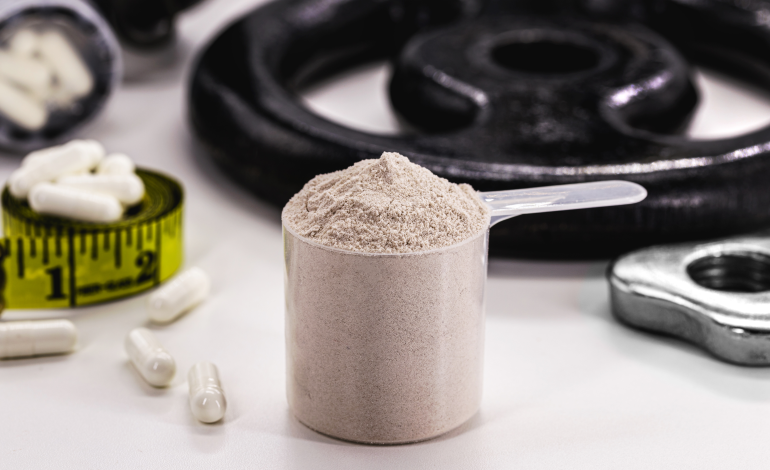
Creatine is one of the most extensively studied dietary supplements in the world. It is widely recognized for its ability to improve athletic performance, increase muscle strength, and enhance recovery after exercise.
-
What happens to your blood pressure when you take creatine every day?
-
Is it safe to mix creatine with mineral salts? A scientific analysis of interactions and physiological implications
In recent years, however, scientists have begun investigating its potential effects beyond sports performance, including its possible role in supporting bone health. This question is especially important for older adults, postmenopausal women, and individuals at increased risk of osteoporosis. Current research suggests that creatine may contribute indirectly to healthier bones, but the available scientific evidence is not yet strong enough to conclude that it is an effective treatment or preventive strategy on its own.
Bones are living tissues that continuously undergo remodeling through a balance between bone formation and bone breakdown. As people age, this balance may become disrupted, leading to a gradual loss of bone mineral density and an increased risk of fractures. Researchers have proposed that creatine may benefit bone health by improving muscle mass and physical strength. Stronger muscles place greater mechanical stress on bones during movement and resistance exercise, stimulating bone maintenance and helping preserve skeletal strength. Therefore, any positive effects of creatine on bones are believed to occur mainly through its impact on muscle function rather than through a direct effect on bone tissue.
-
Unexpected Benefits of Creatine for Women
-
Creatine: An Unexpected Ally for Women’s Memory and Focus?
Several clinical studies have shown that creatine supplementation, particularly when combined with regular resistance training, can improve muscle mass, strength, and physical performance, especially in older adults. These improvements may help maintain mobility, reduce the risk of falls, and indirectly lower the likelihood of fractures. However, when researchers have specifically measured changes in bone mineral density, the findings have been inconsistent. Some studies have reported modest improvements, while others have found no significant differences between participants taking creatine and those receiving a placebo.
Scientists believe these mixed results may be explained by differences in study duration, creatine dosage, participant age, overall health, and exercise programs. Because bone remodeling is a slow biological process, longer-term studies may be necessary to determine whether creatine has meaningful and lasting effects on bone density. At present, scientific evidence indicates that creatine should not replace a balanced diet or established medical treatments used to prevent or manage osteoporosis.
-
Birth Control Pills May Be Linked to Brain Tumors
-
What Is the Ideal Timing to Take Dietary Supplements?
Experts continue to recommend a comprehensive approach to maintaining healthy bones. This includes consuming adequate amounts of calcium, vitamin D, protein, and other essential nutrients while engaging in regular weight-bearing and resistance exercises. Creatine may be a useful supplement for some individuals, particularly physically active adults and older people participating in strength training programs. Nevertheless, its use should ideally be discussed with a healthcare professional, especially for individuals with kidney disease or other underlying medical conditions.
In conclusion, current scientific evidence suggests that creatine may indirectly support bone health by increasing muscle mass, improving strength, and encouraging regular physical activity. However, there is still insufficient evidence to confirm that it directly increases bone mineral density or prevents osteoporosis on its own. Further high-quality research is needed to clarify its exact role in skeletal health. Until then, a balanced diet, regular exercise, and appropriate medical care remain the most reliable strategies for maintaining strong and healthy bones throughout life.
-
Five Medications and Dietary Supplements That Should Never Be Taken with Milk
-
What You Eat in Your Thirties May Determine Your Health in Your Fifties
-
Do Keto Chewing Gums Really Help with Weight Loss? What Science Actually Says