Weightlifting and Hernias: Common Mistakes That Can Lead to Serious Injury
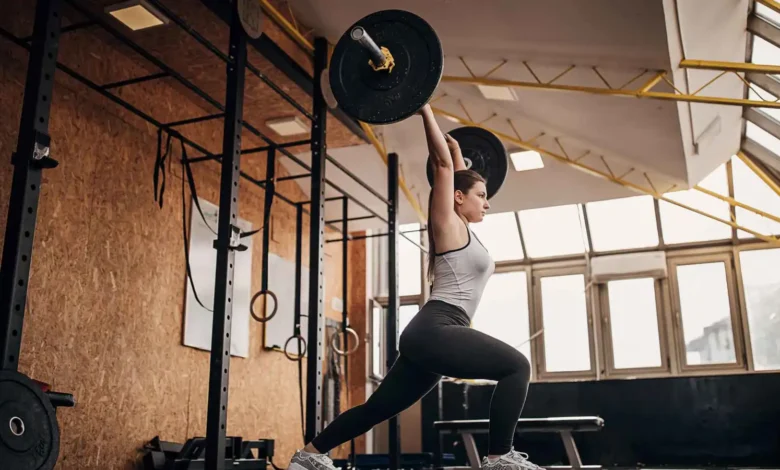
Weightlifting is widely recognized as an effective form of exercise that helps build muscle strength, improve bone density, boost metabolism, and maintain overall physical fitness. When performed correctly, resistance training offers significant health benefits for people of all ages. However, lifting weights with poor technique, excessive loads, or inadequate preparation can increase the risk of injury. Among the most concerning complications is a hernia, a condition that may cause pain, limit physical activity, and, in some cases, require surgical treatment. Understanding the most common mistakes can help individuals train safely while reducing the likelihood of developing this potentially serious condition.
-
What Role Does “Hyperhydration” Play in Athletic Performance?
-
What Is the Ideal Time to Measure Heart Rate?
A hernia occurs when an organ or fatty tissue pushes through a weak area in the surrounding muscle or connective tissue. Inguinal hernias are the most common type among people who frequently lift heavy objects, although other forms of hernias may also occur depending on individual risk factors. Simply lifting weights does not automatically cause a hernia. Instead, heavy lifting combined with a pre-existing weakness in the abdominal wall or improper lifting technique may contribute to its development. For this reason, it is important to distinguish between factors that increase the risk and the actual underlying causes of the condition.
One of the most common mistakes is attempting to lift weights that exceed an individual’s physical capacity. Excessive loads create a significant increase in pressure inside the abdomen, particularly when the movement is performed suddenly or without proper control. Another frequent error is skipping the warm-up or increasing training intensity too quickly without allowing the body enough time to adapt. Poor posture, improper lifting mechanics, and incorrect breathing techniques also place unnecessary stress on the abdominal muscles and surrounding tissues, increasing the likelihood of injury.
-
Back Pain… Early warning of these diseases
-
Does Creatine Support Bone Health? Here Is What Research Says
Breathing correctly during resistance exercise is another essential aspect of injury prevention. Many people instinctively hold their breath while lifting heavy weights, which greatly increases intra-abdominal pressure. Although certain controlled breathing techniques are used by experienced athletes under professional supervision, prolonged or excessive breath-holding may increase stress on the abdominal wall, particularly in individuals with existing weaknesses. Learning proper breathing techniques and following appropriate lifting instructions can significantly reduce unnecessary strain during exercise.
Preventing hernias involves following a gradual and well-structured training program. Individuals should learn correct lifting techniques from qualified professionals, choose weights appropriate for their fitness level, strengthen their core muscles, maintain a healthy body weight, and avoid excessive effort when experiencing fatigue or pain. People with a previous history of hernias or abdominal surgery should consult their healthcare provider before returning to heavy resistance training. Persistent pain, the appearance of an unusual bulge, or discomfort in the groin or abdominal area should never be ignored and requires prompt medical evaluation.
-
Are Frozen Foods as Healthy as Fresh Foods? The Answer May Surprise You
-
Five Medications and Dietary Supplements That Should Never Be Taken with Milk
In conclusion, weightlifting itself does not inevitably cause hernias, but poor technique, excessive loading, and inadequate training practices can increase the risk in susceptible individuals. Gradual progression, proper exercise technique, correct breathing, and professional guidance allow people to enjoy the many benefits of resistance training while minimizing the risk of serious injury. Safe training habits remain the most effective strategy for protecting long-term health and maintaining consistent physical performance.
-
Breastfeeding May Reduce Symptoms of Attention Deficit Hyperactivity Disorder in Children
-
What You Eat in Your Thirties May Determine Your Health in Your Fifties
-
Avocado or Almonds: Which Is Better for Heart Health?
-
Do Keto Chewing Gums Really Help with Weight Loss? What Science Actually Says