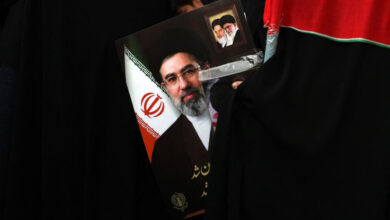
Tehran: One Hand Waves the Banner of Revenge for Khamenei While the Other Remains Extended Toward Negotiations
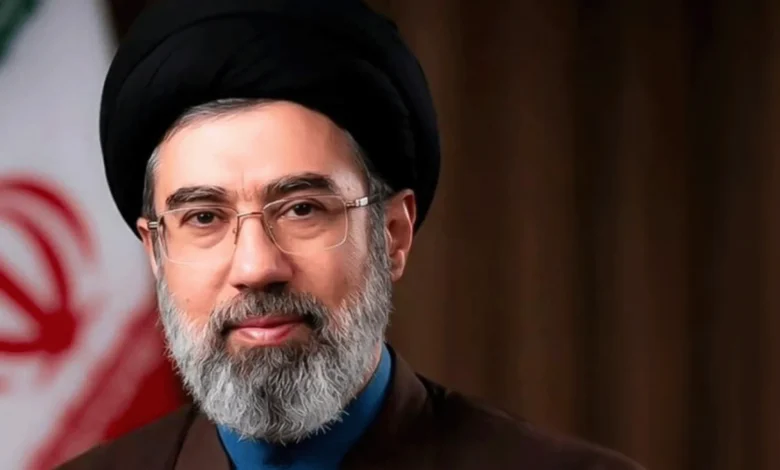
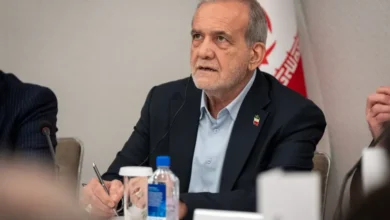
Iran’s First Deputy Speaker of Parliament has threatened U.S. officials, including President Donald Trump, warning that they will one day face retaliation.
Iranian First Deputy Speaker of Parliament Ali Nikzad issued strongly worded remarks, declaring that what he described as “revenge” for the death of the late Iranian Supreme Leader Ali Khamenei is inevitable and cannot be abandoned.
-
Iran’s Supreme Leader Ali Khamenei’s Niece Arrested
-
Minutes That Shook Iran: Live Broadcast Suddenly Cut Off After Secret Messages Attributed to Khamenei
He placed direct responsibility on the United States, delivering a speech that carried an indirect threat against U.S. President Donald Trump and several members of his administration. These statements come as Tehran and Washington are engaged in technical negotiations following the signing of a memorandum of understanding, adding further tension to an already cautious diplomatic opening between the two sides.
In remarks carried by the Mehr News Agency, the Iranian official stated: “The blood of the martyred Leader of the Islamic Revolution will not be shed in vain. The day will come when we will avenge this crime committed by the United States and its officials.”
-
Khamenei’s Authority After the War: Unprecedented Challenges and Two Possible Scenarios
-
Mojtaba Khamenei Stalls Negotiations… Missing Approval and a Suspended Agreement
Following the assassination of Iran’s former Supreme Leader and several senior Iranian officials in a joint U.S.-Israeli airstrike—an event that marked the outbreak of the war on February 28—a wave of hardline statements emerged within Iran’s religious and political circles. These statements called for retaliation against Washington and Tel Aviv, arguing that any attack targeting Iran’s leadership constituted a violation of the state’s “red lines.”
Several religious figures also adopted highly mobilizing rhetoric, going so far as to describe retaliation for the killing or targeting of Iran’s leadership as a “religious duty.” This reflected the escalation of ideological discourse surrounding the crisis and the use of the event to strengthen domestic mobilization and rally Iranian public opinion behind the option of retaliation.
-
From a Secret Hideout… Mojtaba Khamenei Delays the Announcement of the Agreement with Washington
-
Mojtaba Khamenei: Uncertainty surrounds the fate of the absent Supreme Leader
However, following the signing of the memorandum of understanding and the launch of negotiations with the United States, such statements became less frequent before resurfacing as the funeral of Ali Khamenei approached in Tehran.
Since the assassination of Qassem Soleimani, commander of the Quds Force, in 2020, relations between Iran and the United States have entered a significantly more confrontational phase. Tehran has repeatedly vowed to retaliate against the United States, either directly or by targeting American political and military figures, as part of what it describes as a policy of “mutual deterrence.”
-
Mojtaba Khamenei’s silence unsettles Tehran: the Leader’s absence weighs on negotiations
-
Washington offers a large reward for information about Khamenei
In the years that followed, several U.S. intelligence assessments and media reports referred to “potential Iranian threats” targeting current and former American officials, including Donald Trump, particularly during periods of heightened political and security tensions. Washington has linked these threats to Iran’s desire to avenge Soleimani’s death and to exert pressure on successive U.S. administrations.
At the same time, the U.S. Department of Justice has, on several occasions, brought charges against individuals alleged to have ties to Iran or the Islamic Revolutionary Guard Corps for planning or attempting attacks against American political figures, including Donald Trump during his second presidential campaign. U.S. authorities have viewed these alleged plots as an extension of Iran’s efforts to influence the American political landscape and impose costs on U.S. foreign policy decisions.
Meanwhile, a number of observers believe that the Iranian official’s threats are primarily directed at domestic audiences and Tehran’s regional allies. In their view, the Iranian leadership is fully aware that any attempt to assassinate Donald Trump or any other senior U.S. official would cross a critical red line and could trigger extremely serious consequences.
-
Mojtaba Khamenei’s Survival of Assassination Attempt Redraws Iran’s Leadership Map
-
Geopolitical risks unsettle global markets after Khamenei’s death