Neuroplasticity: Does the Brain Continue to Grow and Adapt with Age?
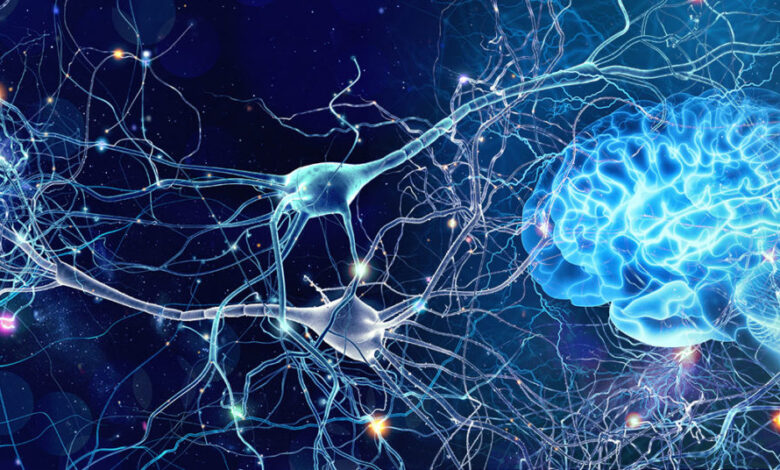
For many years, scientists believed that the human brain stopped developing once adulthood was reached. According to this traditional view, lost nerve cells could not be replaced, and brain function was expected to decline steadily with age. However, advances in neuroscience over the past few decades have fundamentally changed this understanding. Research has shown that the brain possesses an extraordinary ability known as neuroplasticity, which enables it to reorganize its structure, strengthen existing neural connections, and create new ones throughout life. Although aging naturally brings certain biological changes, the brain remains remarkably adaptable, allowing people to continue learning and developing new skills well into old age.
-
Can the Brain Rest Without Sleep? A Scientific Experiment Opens Unexpected Perspectives
-
Brain cells on a chip learn to fight in a video game!
Neuroplasticity refers to the brain’s capacity to modify its neural networks in response to learning, experience, environmental changes, or injury. Every time a person learns a new language, practices a musical instrument, acquires professional skills, or solves unfamiliar problems, the connections between neurons are strengthened or reorganized. Scientists have also found evidence that limited production of new neurons may continue during adulthood in specific brain regions, particularly the hippocampus, an area closely involved in learning and memory. Although researchers continue to study the extent of this process, it demonstrates that the adult brain is far more dynamic than previously believed.
As people grow older, some cognitive functions, such as processing speed and short-term memory, may gradually decline. However, this does not mean that the brain loses its ability to learn. Numerous studies show that older adults remain capable of acquiring new knowledge, developing practical skills, and improving cognitive performance through continuous learning and mental training. The aging brain often compensates for age-related changes by recruiting alternative neural pathways, allowing many individuals to maintain high levels of independence and intellectual function throughout later life.
-
Can ultra-processed foods increase the risk of cognitive decline? Understanding mechanisms and implications for brain health
-
How do gut bacteria influence cravings for sugar and fat? A scientific analysis of the microbiome and its interaction with the brain
Lifestyle plays a crucial role in supporting neuroplasticity and preserving brain health. Regular physical exercise improves blood circulation to the brain and stimulates the production of substances that promote the growth and survival of neurons. A balanced diet rich in fruits, vegetables, whole grains, and fatty fish provides essential nutrients needed for healthy brain function. Quality sleep, effective stress management, strong social relationships, and mentally stimulating activities such as reading, solving puzzles, learning new skills, or engaging in lifelong education also help strengthen cognitive abilities and support the brain’s remarkable capacity for adaptation.
It is important to understand that neuroplasticity does not necessarily mean that the brain physically becomes larger with age. Some brain regions naturally lose volume as part of the normal aging process. However, the brain continues to improve the efficiency of its communication networks by forming and strengthening functional connections between neurons. This ongoing adaptability explains why many older adults can successfully learn new technologies, pursue new careers, develop hobbies, and maintain active intellectual lives despite the biological changes associated with aging.
-
Study Reveals the Brain Mechanisms Behind Persistent Grief After the Loss of Loved Ones
-
Study Shows That Sleep Deprivation Causes Structural Damage to the Brain
In conclusion, current scientific evidence clearly shows that the brain does not stop changing as people grow older. Through neuroplasticity, it retains an impressive ability to adapt, reorganize, and continue learning throughout life. Although aging brings natural structural changes, a healthy lifestyle, regular mental stimulation, physical activity, and social engagement can help preserve cognitive function and support healthy brain aging. The human brain remains a dynamic and resilient organ, capable of continuous growth in its functional abilities long after youth has passed.
-
Physical Exercise May Make the Brain Appear Younger
-
How Chia Seeds Protect the Brain from Harmful Foods
-
A new epilepsy treatment: removing senescent brain cells as a therapeutic pathway