What Happens to Your Body When You Eat Expired Foods?

Eating expired food is a common occurrence, but its effects can vary greatly depending on the type of food, how it has been stored, and the extent of its deterioration. In some cases, consuming food after its expiration date may have little or no effect. In others, it can lead to foodborne illness ranging from mild digestive discomfort to severe, potentially life-threatening complications, particularly among vulnerable individuals.
It is important to distinguish between a “use-by” date and a “best-before” date. A use-by date applies to highly perishable foods such as fresh meat, poultry, seafood, refrigerated ready-to-eat meals, and fresh dairy products. Consuming these products after the specified date increases the risk of harmful bacterial growth, even if the food appears normal. In contrast, a best-before date refers to foods with a longer shelf life, including pasta, rice, cereals, canned goods, and biscuits. After this date, the food may gradually lose flavor, texture, or nutritional quality without necessarily becoming unsafe to eat.
When perishable foods are stored improperly or kept beyond their recommended shelf life, harmful microorganisms can multiply rapidly. Common foodborne pathogens include Salmonella, Escherichia coli, Listeria monocytogenes, Campylobacter, and Staphylococcus aureus. Some of these bacteria produce toxins that remain active even after cooking, meaning reheating contaminated food may not eliminate the health risk.
Once contaminated food is consumed, the digestive system is usually the first part of the body to be affected. Symptoms may develop within a few hours or several days, depending on the microorganism involved. Common symptoms include nausea, vomiting, abdominal pain, stomach cramps, diarrhea, bloating, loss of appetite, and fever. These symptoms represent the body’s attempt to eliminate harmful pathogens or their toxins.
Severe vomiting and diarrhea can quickly lead to dehydration, one of the most common complications of food poisoning. Dehydration may cause intense thirst, dry mouth, dizziness, weakness, reduced urine output, low blood pressure, and, in severe cases, hospitalization. Infants, older adults, pregnant women, and individuals with weakened immune systems are especially vulnerable to dehydration and its complications.
Certain foodborne infections can cause much more serious health problems. Listeria monocytogenes may cause listeriosis, a potentially life-threatening infection affecting pregnant women, older adults, and immunocompromised individuals. During pregnancy, listeriosis may result in miscarriage, premature birth, stillbirth, or severe neonatal infection. Likewise, toxin-producing strains of Escherichia coli may trigger hemolytic uremic syndrome, a serious condition that can lead to kidney failure.
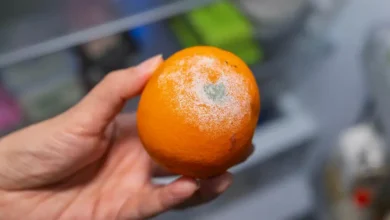
Moldy foods also present unique health risks. Some molds produce mycotoxins, toxic substances that may survive cooking and prolonged food processing. Long-term exposure to certain mycotoxins has been associated with liver damage, kidney disease, immune system impairment, and an increased risk of certain cancers. For this reason, simply cutting away the moldy portion of soft foods such as bread, fresh fruit, or soft cheese is generally not considered safe.
Bulging or damaged canned foods require particular caution because they may contain Clostridium botulinum, the bacterium responsible for botulism. This organism produces one of the most powerful toxins known. Botulism can cause blurred vision, muscle weakness, difficulty speaking, swallowing, or breathing, and constitutes a medical emergency requiring immediate treatment.
Not everyone experiences the same reaction after consuming expired food. Healthy adults may recover within a few days with only mild gastrointestinal symptoms. However, infants, older adults, pregnant women, people with chronic illnesses, and those with weakened immune systems are at significantly greater risk of severe infections, hospitalization, and long-term complications.
Preventing foodborne illness depends on following basic food safety practices. These include respecting expiration dates, maintaining proper refrigeration, avoiding breaks in the cold chain, cooking animal products thoroughly, washing hands and food preparation surfaces carefully, and storing foods under recommended conditions. Foods with unusual odors, abnormal textures, discoloration, swollen packaging, or visible mold should never be consumed, even if the expiration date has not yet passed.
In summary, eating expired food does not always result in food poisoning, but the risks depend largely on the type of food and how it has been stored. Understanding the difference between use-by and best-before dates, recognizing signs of spoilage, and following proper food safety practices are among the most effective ways to protect yourself and your family from foodborne illnesses and their potentially serious health consequences.