Chia Seeds and Blood Sugar: How Their Nutritional Properties May Support Glucose Regulation
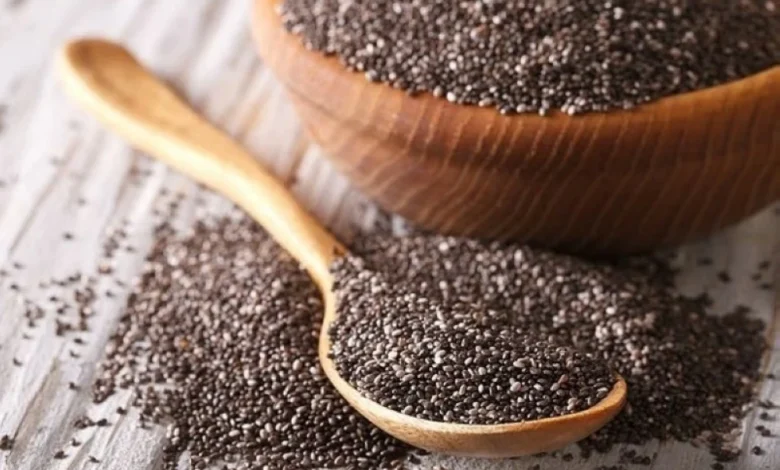
Chia seeds have gained considerable attention for their nutritional value and their potential role in supporting metabolic health. Rich in dietary fibre, plant-based protein and omega-3 fatty acids, these tiny seeds may help promote more balanced blood glucose levels when included in a healthy diet. But how exactly do they influence blood sugar, and can they make a meaningful difference in preventing sudden glucose fluctuations?
A nutritional profile worth considering
Chia seeds are particularly rich in dietary fibre, an essential component of a healthy digestive system and an important factor in blood sugar regulation. They also provide plant-based protein, unsaturated fats, magnesium, calcium and various antioxidant compounds.
One of their most distinctive properties is their ability to absorb large amounts of liquid. When soaked in water or another beverage, they develop a gel-like coating. This texture is more than a culinary feature: it helps explain how chia seeds may influence digestion and the rate at which carbohydrates are absorbed into the bloodstream.
Unlike foods high in refined sugars, which can cause blood glucose to rise rapidly, fibre-rich foods generally support slower carbohydrate digestion. Adding chia seeds to meals may therefore help create a more gradual release of glucose, although the effect depends on the overall composition of the meal and individual metabolic responses.
How might chia seeds influence blood glucose levels?
Their potential effect on blood sugar is largely associated with their high content of soluble fibre. Once hydrated, this fibre forms a viscous gel in the digestive tract. The gel may slow down digestion and the absorption of carbohydrates, potentially reducing the speed at which glucose enters the bloodstream after eating.
This mechanism may be particularly relevant when chia seeds are consumed alongside carbohydrate-containing foods such as bread, rice, cereals or fruit. Slower glucose absorption can help moderate post-meal blood sugar fluctuations.
Fibre also contributes to a longer-lasting feeling of fullness. By slowing digestion, it may help reduce unnecessary snacking and support better appetite control throughout the day. Over time, this may indirectly contribute to weight management, which is an important factor in reducing the risk of type 2 diabetes and supporting its management.
A possible role in reducing the risk of type 2 diabetes
Insulin resistance is one of the main mechanisms involved in the development of type 2 diabetes. It occurs when the body’s cells become less responsive to insulin, the hormone responsible for helping glucose move from the bloodstream into cells, where it can be used for energy.
A fibre-rich diet, combined with regular physical activity and a healthy body weight, can support better metabolic health. Chia seeds may be a useful addition to this approach because they offer a convenient way to increase daily fibre intake.
Some research has explored their possible effects on metabolic indicators, including blood glucose, body weight and cardiovascular risk factors. However, the findings are not yet consistent enough to establish chia seeds as a specific treatment for diabetes or as a stand-alone method of preventing the disease.
Their potential benefits should therefore be understood within the broader context of a balanced eating pattern. They can complement healthy habits, but they cannot replace medical care or established diabetes-prevention strategies.
Benefits that extend beyond blood sugar control
The nutritional value of chia seeds is not limited to their possible influence on glucose regulation. Their high fibre content also supports bowel regularity and contributes to a healthy gut microbiome. Certain intestinal bacteria use dietary fibre as a source of nourishment, fermenting it to produce compounds that help maintain the intestinal environment and support the gut barrier.
Chia seeds also contain omega-3 fatty acids, mainly in the form of alpha-linolenic acid. These fats are part of a balanced diet and contribute to normal bodily functions, including those associated with cardiovascular health.
Another nutritional advantage is their magnesium content. This mineral plays a role in numerous metabolic processes, including those involved in glucose utilisation. Nevertheless, consuming a food that contains magnesium does not automatically correct metabolic imbalances or prevent diabetes.
Practical ways to include chia seeds in everyday meals
Chia seeds are easy to incorporate into a variety of meals. They can be sprinkled over plain yoghurt, added to porridge, mixed into salads or combined with fruit. They are also commonly used to prepare chia pudding, thickened drinks and certain baked goods.
To obtain their characteristic gel-like texture, the seeds can be soaked in water, milk or a plant-based beverage for several minutes or longer. Once hydrated, they become softer and can be mixed into different recipes.
People who are not accustomed to eating much fibre should introduce chia seeds gradually. Increasing fibre intake too quickly may lead to bloating, gas or digestive discomfort. Drinking enough water is also important to help dietary fibre move comfortably through the digestive system.
A serving of approximately one to two tablespoons per day may be a reasonable starting point for many adults, depending on individual tolerance and nutritional needs.
Precautions and considerations
Although chia seeds are generally considered a nutritious food, they may not be suitable for everyone in the same quantities. People with certain digestive conditions or specific dietary requirements may need to adjust their intake.
Because chia seeds absorb liquid and expand, swallowing large amounts of them in their dry form without sufficient fluid is not advisable. Individuals who have difficulty swallowing should be particularly cautious and may benefit from consuming the seeds only after they have been properly soaked.
People living with diabetes should also remember that chia seeds are not a substitute for prescribed medication, blood glucose monitoring or professional medical advice. Their effect on blood sugar can vary according to portion size, the other foods eaten at the same time and each person’s individual metabolism.
A useful addition, not a miracle solution
Chia seeds have several nutritional characteristics that may support healthier blood glucose regulation. Their soluble fibre content and ability to form a gel during digestion may help slow carbohydrate absorption and moderate post-meal glucose fluctuations.
However, their benefits should not be exaggerated. Eating chia seeds alone cannot prevent or treat diabetes, nor can it compensate for an unbalanced diet or a sedentary lifestyle.
Maintaining healthy blood sugar levels requires a broader approach: choosing fibre-rich foods, limiting excessive added sugar, combining carbohydrates with protein and healthy fats, staying physically active and following appropriate medical advice when necessary.
Ultimately, chia seeds can be a valuable part of a balanced diet. Their main advantage is not an immediate or dramatic reduction in blood sugar, but their ability to provide fibre and useful nutrients that support overall metabolic health.