Getting More from Dietary Iron: How Spinach, Coffee and Lemon Affect Its Absorption
Iron is essential for the proper functioning of the human body. It plays a central role in producing haemoglobin, the protein in red blood cells responsible for carrying oxygen to organs and tissues. However, eating iron-rich foods does not automatically mean that the body absorbs enough of this mineral. Iron absorption, also known as bioavailability, depends on several factors, including the type of iron consumed, the composition of meals and the presence of other nutrients or compounds that can either support or interfere with its uptake.
Spinach, coffee and lemon provide a useful illustration of these interactions. Spinach supplies plant-based iron, coffee may reduce its absorption when consumed alongside a meal, while lemon can help the body absorb iron more efficiently because of its vitamin C content.
Two types of dietary iron with different absorption rates
Iron in food comes mainly in two forms: haem iron and non-haem iron.
Haem iron is found primarily in animal-based foods such as meat, poultry and fish. It is generally absorbed more efficiently by the body, and its absorption is less affected by other components of a meal.
Non-haem iron is mainly found in plant foods, including legumes, whole grains, seeds, vegetables and fortified products. Its absorption is more variable because it is influenced by other substances present in the digestive system. Some nutrients can improve its uptake, while certain natural compounds may reduce the amount the body can use.
This distinction is particularly relevant for people following vegetarian or vegan diets, as well as individuals with higher iron requirements. These include pregnant women, people with heavy menstrual periods and those who have previously experienced iron deficiency.
Spinach: a source of plant-based iron, but not a complete solution
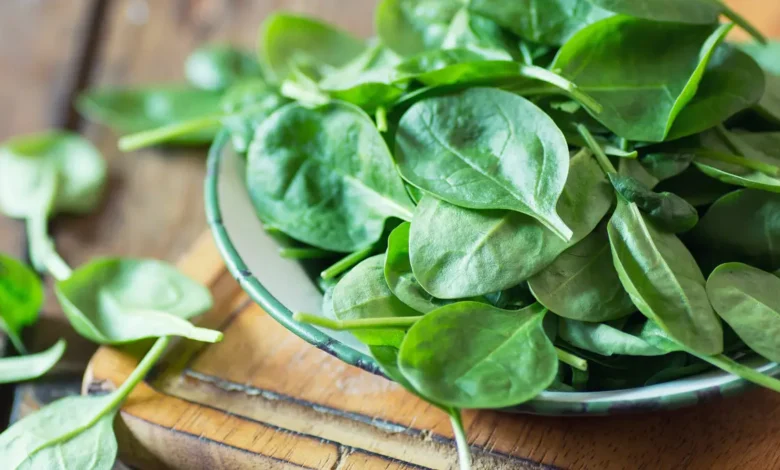
Spinach is often recommended as part of a diet designed to provide more iron. It does contain non-haem iron, alongside fibre, vitamins and several essential minerals. As a result, it can make a valuable contribution to a varied and balanced eating pattern.
However, the presence of iron in spinach does not mean that all of it is readily absorbed. Spinach also contains oxalates, naturally occurring compounds that can affect the absorption of certain minerals. More broadly, the bioavailability of plant-based iron depends on the other foods consumed at the same meal.
For this reason, spinach should not be considered a sufficient solution for preventing or correcting iron deficiency. It can nevertheless be a useful component of meals that combine different sources of iron with foods that support its absorption.
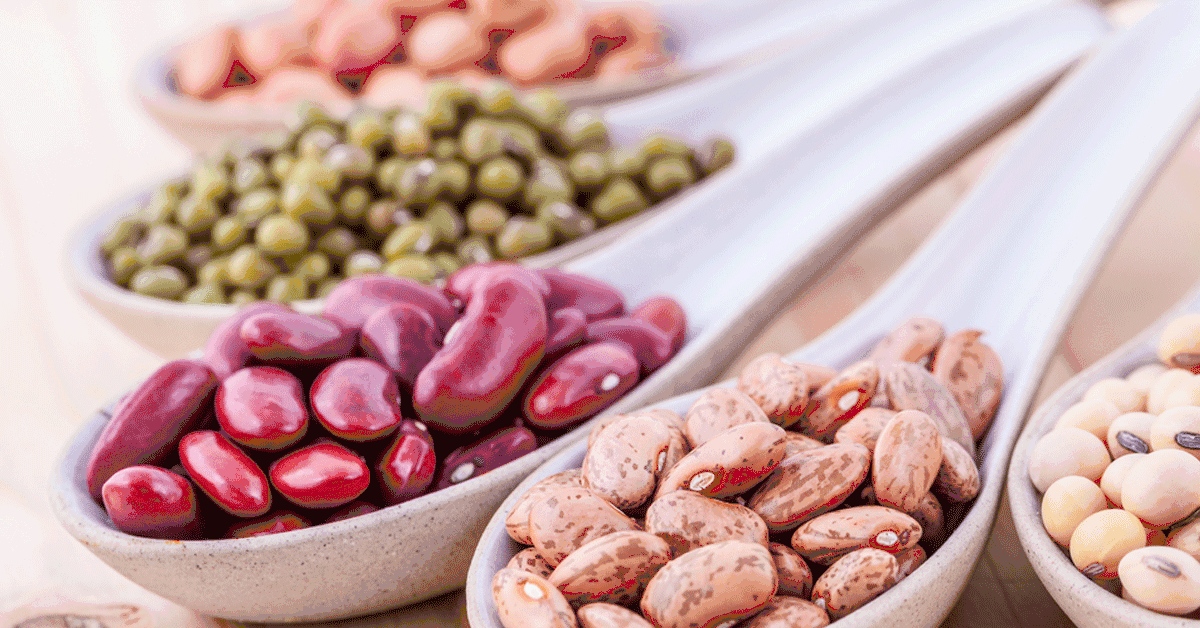
Dietary variety remains important. Lentils, chickpeas, beans, seeds and iron-fortified cereals can also contribute to daily iron intake. Rather than relying on one particular food, the aim should be to build meals that provide a range of nutrients.
Lemon and vitamin C: helping the body absorb iron
Unlike certain dietary compounds that interfere with iron absorption, vitamin C can improve the uptake of non-haem iron. It helps convert iron into a form that is more readily absorbed in the intestine and can reduce the impact of some substances that would otherwise limit its availability.
Lemons are a source of vitamin C, making them a useful addition to meals containing plant-based iron. Adding lemon juice to spinach salads, lentil dishes or other legume-based meals may therefore help the body absorb more of the iron present in these foods.
Other vitamin C-rich options include oranges, kiwis, strawberries, bell peppers and tomatoes. Large quantities are not necessarily required; including a source of vitamin C in the same meal can already be beneficial.
This combination is particularly useful for people following vegetarian or vegan diets, in which most dietary iron comes from non-haem sources.
Coffee: why it can interfere with iron absorption
Coffee contains polyphenols, including compounds commonly referred to as tannins, which can bind to non-haem iron in the digestive tract. This interaction may reduce the amount of iron absorbed, particularly when coffee is consumed during a meal or immediately afterwards.
The extent of the effect depends on factors such as the amount and strength of the coffee, as well as the overall composition of the meal. It mainly affects non-haem iron from plant foods and has a much smaller impact on haem iron from animal sources.
This does not mean that coffee needs to be eliminated from the diet. For most people, paying attention to when it is consumed may be enough, particularly if their iron intake is relatively low or they are at greater risk of deficiency.
Leaving approximately one to two hours between coffee and iron-rich meals can be a useful precaution. This helps reduce the interaction between coffee polyphenols and dietary iron without requiring people to give up a drink they enjoy.
Other dietary factors can influence iron uptake
Coffee is not the only beverage that may affect iron absorption. Tea also contains polyphenols that can reduce the uptake of non-haem iron when consumed with meals.
Phytates, which are naturally present in whole grains, legumes and some seeds, can also limit the absorption of this mineral. However, these foods offer numerous nutritional benefits and should not be excluded from the diet for this reason alone. Preparation methods such as soaking, sprouting and fermentation can help reduce some of their phytate content.
Calcium may also interact with iron absorption under certain conditions, although the significance of this effect over the long term remains a subject of discussion. There is therefore no general reason to eliminate dairy products or other calcium-rich foods. The priority should be to maintain a varied diet that meets individual nutritional needs.
How to build meals that support iron absorption
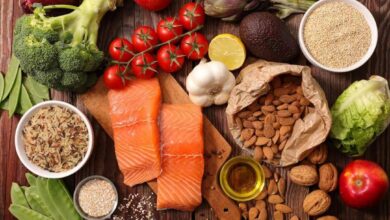
A few simple food combinations can help make dietary iron more available to the body. Spinach salad with bell peppers and lemon juice, lentils served with tomatoes, or chickpeas combined with vitamin C-rich vegetables are all practical examples.
It is also important to vary iron sources. People who eat animal products can include meat, fish and poultry alongside plant-based options. Those following vegetarian diets can obtain iron from legumes, tofu, seeds, nuts and fortified grain products.
Another useful habit is to avoid drinking coffee or tea with meals that provide a significant amount of plant-based iron. Having these beverages between meals may help reduce their impact on iron absorption.
Recognising the signs of iron deficiency
Iron deficiency can develop gradually and may not cause noticeable symptoms in its early stages. As it becomes more severe, it can lead to persistent tiredness, weakness, difficulty concentrating, headaches, pale skin and shortness of breath during physical activity.
In more advanced cases, iron deficiency can result in iron-deficiency anaemia, a condition in which the body does not have enough iron to produce adequate haemoglobin. Pregnant women, people experiencing significant blood loss, young children and individuals with certain digestive disorders may be at increased risk.
Anyone experiencing symptoms that could indicate iron deficiency should seek medical advice. Blood tests can help assess iron stores and identify the possible cause. Supplements should not be taken automatically: excessive iron can also be harmful, and confirmed deficiency may require further investigation and an appropriate treatment plan.
Understanding food combinations to make the most of iron
Iron absorption is not determined solely by how much of the mineral a food contains. The way foods are combined can also make a difference. Spinach and other plant foods provide dietary iron, lemon can support its absorption through vitamin C, while coffee may reduce its uptake when consumed too close to a meal.
Understanding these interactions makes it easier to adopt practical eating habits that support nutritional health. There is no need to eliminate favourite foods or follow a restrictive diet. Simple adjustments, such as combining plant-based iron with vitamin C and drinking coffee between meals, can help improve the nutritional value of everyday meals.
Ultimately, the priority is to meet the body’s overall nutritional needs. A balanced diet provides an important foundation, but confirmed iron deficiency requires proper assessment and, when necessary, treatment recommended by a healthcare professional.