Why Does Hair Texture Change With Age?
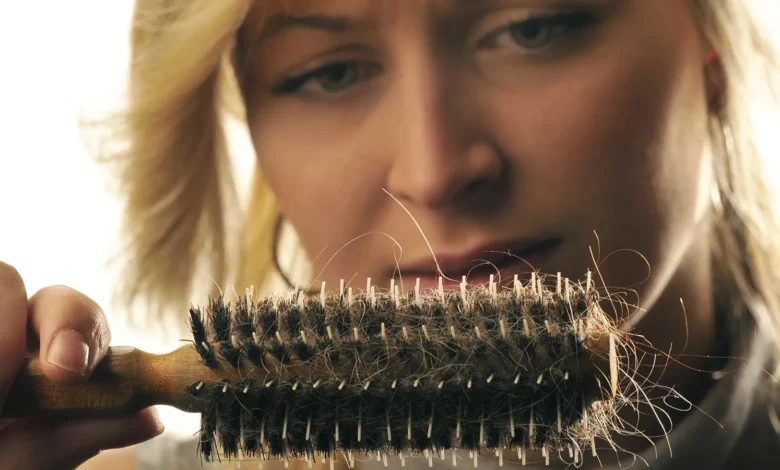
Hair does not necessarily remain the same throughout life. As people age, the texture, thickness, density, and ability of the hair to retain moisture can gradually change. Hair that was once thick, soft, and shiny may become finer, drier, more fragile, or more difficult to manage. These changes result from several biological processes that affect both the hair follicle and the hair shaft.
-
Do Hats Cause Hair Loss? Experts Clarify the Truth
-
Elevated Cortisol in Children’s Hair: A Biological Marker of Chronic Stress Linked to Mental Health Issues
One of the main factors is the aging of the hair follicle. Each strand grows from a follicle located within the skin. Over time, some follicles gradually become smaller and begin producing hair with a narrower diameter. This process, known as follicular miniaturization, can make the hair appear thinner and less dense.
The hair-growth cycle also changes with age. The active growth phase, known as the anagen phase, may become shorter, while resting and shedding phases can become relatively more prominent. These changes can gradually contribute to reduced hair density and slower replacement of shed hairs.
Sebum production may also decline over time. Sebum is an oily substance produced by the sebaceous glands that helps protect the scalp and coat the hair fiber. When less sebum is produced, the hair may become drier, rougher, and more vulnerable to environmental damage.
Aging can also alter the structure of the hair shaft itself. Hair is primarily composed of keratin, a protein that provides strength and elasticity. Over time, changes in the structure of keratin, combined with accumulated environmental damage, can make the hair fiber more fragile.
Aging hair is particularly vulnerable to repeated external stress. Ultraviolet radiation, heat from hair dryers and styling tools, chemical coloring, bleaching, and certain hair treatments can gradually damage the cuticle, the hair’s outer protective layer. When the cuticle becomes damaged, the hair loses moisture more easily and may become dull, dry, rough, and prone to breakage.
Loss of pigmentation is another well-known age-related change. When melanocytes within the hair follicle produce less melanin, hair gradually becomes gray or white. Gray and white hairs can also feel different from pigmented hairs, which explains why some people notice that their gray hair seems coarser, drier, or more difficult to control.
-
Hair, skin: 3 unrecognized beauty benefits of lime trees
-
The Essential Role of Zinc in Protecting Hair and Skin Health
Hormonal changes can also influence hair texture and density. As people age, changes in sex hormones may affect follicular activity and alter the distribution, thickness, and growth pattern of hair. These changes can become particularly noticeable during periods of hormonal transition.
Nutrition and overall health are also important. Inadequate intake of protein, iron, zinc, or other essential nutrients can affect hair growth and strength. Certain medical conditions, medications, and prolonged periods of stress may also contribute to increased shedding or changes in hair quality.
-
The Impact of Diet and Lifestyle on Premature Graying: How Sugar, Processed Foods, and Smoking Can Affect Hair Pigmentation
-
Whitening of hair – Is it really due to stress?
Therefore, changes in hair texture are a normal part of aging. However, sudden or severe hair loss, rapidly developing thinning areas, persistent scalp irritation, or a dramatic unexplained change in hair texture should be evaluated by a healthcare professional to identify any underlying cause.
To maintain the quality of aging hair, experts generally recommend gentle hair care, limiting excessive heat and chemical treatments, protecting the hair from prolonged sun exposure, and maintaining a balanced diet that provides adequate protein and essential nutrients. Appropriate moisturizing can also help improve the softness, flexibility, and appearance of the hair.
-
Here’s what you should know about ‘The Curly Hair Method’
-
Hair-Straightening Products, pose more of a risk than you may think
Ultimately, age-related changes in hair texture result from multiple factors, including changes in the hair follicles, hormonal fluctuations, reduced sebum production, alterations in the hair shaft, and the cumulative effects of environmental exposure. Understanding these processes can help people adapt their hair-care routines and maintain healthier-looking hair as they grow older.
-
Scientific breakthrough could end hair loss problem
-
Uncovering the Hidden Benefits of Clove for Hair Health: From Scalp Treatment to Gray Hair Reduction