How Morocco and Moroccans Foiled the Alleged Algerian Conspiracy of August 9
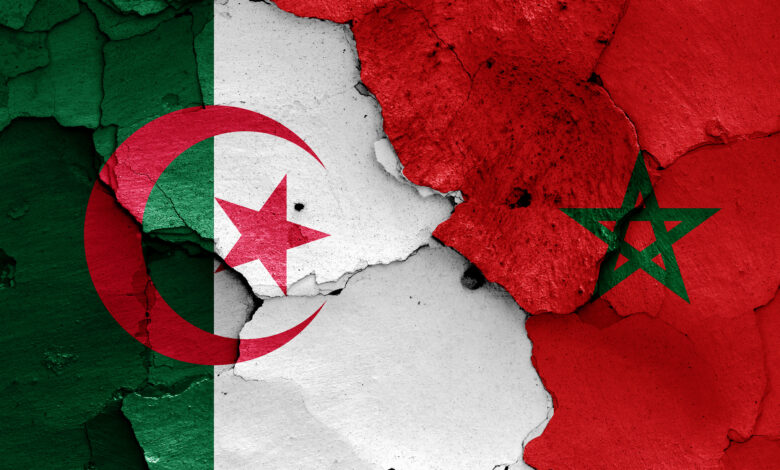
Social media platforms witnessed an intensive digital campaign calling on Moroccans to protest on August 9 under the hijacked identity of the “GenZ212” youth movement. However, the demonstrations failed to materialize on the ground after the alleged involvement of Algerian intelligence services in managing the campaign through fictitious networks and “artificial mobilization” techniques was gradually exposed.
-
Morocco Expands Its Hotel Capacity to Turn World Cup Enthusiasm into Lasting Prosperity
-
A Moroccan Approach That Makes Football a Tool for Integration and Combating Discrimination
Since the beginning of August, social media platforms had been flooded with a broad digital campaign urging Moroccans to take to the streets on Sunday, August 9, amid a tense context following the events surrounding mass migration movements toward occupied Ceuta, as well as the tensions and extensive domestic debate that accompanied them.
Some pages presented the call as an extension of Moroccan youth mobilization efforts, using the name and identity of GenZ212 along with social slogans centered on dignity and improving living conditions.
However, August 9 passed without the digital mobilization turning into protests with a physical presence commensurate with the level of publicity and online activity that had preceded it. The threads of the campaign were gradually uncovered, with reports indicating that Algerian intelligence services were behind the incitement and mobilization efforts targeting the Moroccan public.
-
New Diplomatic Achievement for Morocco with Its Election as Vice-President of the Conference on Landlocked Developing Countries
-
Rising tensions between authorities and unions raise fears of a social explosion in Algeria
Details of the operation began to emerge before the scheduled date after the original GenZ212 page explicitly denied any connection to the circulating calls, stressing that the posts and designs using its identity did not represent the movement.
Meanwhile, Moroccan media reports revealed a network of Algerian pages and accounts that had been responsible for disseminating and amplifying the calls. These included ALGERIA GATE, ALGERIA 24, MILITARY DZ and L’ARMÉE ÉLECTRONIQUE ALGÉRIENNE, in addition to pages and figures known for years for their hostile rhetoric toward Morocco and their alleged links to various circles and agencies within the Algerian state.
The operation went beyond merely reposting prepared content. Interfaces designed to appear Moroccan were used, while WhatsApp groups operated by fake accounts using Moroccan telephone numbers also emerged. The visual identity of GenZ212 was likewise impersonated in an effort to create the impression that the calls originated from within Morocco.
-
Morocco Affirms Its Role as a Neutral Mediator in Sub-Saharan African Crises
-
Morocco’s Atlantic Project: A Lifeline from Crisis for Sahel Countries
Tracking of the campaign also revealed that some pages had changed their names and digital identities. Posts supposedly originating from Morocco contained expressions such as “August” and “wilayas,” terms that are not characteristic of ordinary Moroccan usage. When these indicators are combined with the reposting patterns and the identities of the accounts that led the mobilization, they point to what appears to have been a coordinated attempt to conceal the campaign’s true origin and give an externally driven incitement effort a Moroccan façade.
This method is well known in the literature on information influence operations. A report by the NATO Strategic Communications Centre of Excellence, entitled Trends and Developments in the Malicious Use of Social Media, describes the creation of artificial grassroots movements to serve a particular agenda through the concept of “astroturfing.”
-
Algerian move to disrupt the Morocco-Mauritania rapprochement
-
The Nation’s Flag Above All Others: No Alliance With Those Who Threaten Morocco’s Unity
The report also discusses the use of impersonated identities, individuals and organizations to influence existing social movements, as well as the possibility that the effects of manipulated online activity may spill over into the real world. These mechanisms help explain the attempt to use the GenZ212 name to give calls originating from outside Morocco the appearance of a genuine Moroccan grassroots mobilization.
German researcher Thomas Rid places this type of operation within a broader context in his book Active Measures: The Secret History of Disinformation and Political Warfare, which examines the history of disinformation and political warfare, including the use of front organizations, intermediaries and techniques designed to conceal the true origins of operations conducted by states and their agencies.
-
Commitment to the Atlantic Initiative Sets the Stage for Broader Cooperation between Morocco and Sahel Countries
-
Diplomatic Crisis between France and Algeria: Who Are the 12 Expelled?
Similarly, researchers Christopher Paul and Miriam Matthews of the RAND Corporation explain in their report The Russian “Firehose of Falsehood” Propaganda Model: Why It Might Work and Options to Counter It that the volume of messages, multiplicity of channels, rapid repetition and sustained dissemination can increase the perceived credibility of a message, particularly when it reaches audiences through multiple sources that appear independent or unrelated.
However, understanding the failure of the August 9 campaign requires particular attention to the work carried out by Morocco’s security and intelligence institutions. While the calls were spreading publicly, state agencies were reportedly working behind the scenes to monitor accounts, pages and channels of incitement and amplification, analyze their connections, and correlate digital data with the context that followed the Ceuta crisis.
-
Tensions Rise in Tindouf Camps and Wave of Exodus from Polisario’s Grip
-
Agreement Between Macron and Tebboune to Resume Dialogue in the First Breakthrough of a Prolonged Crisis
This preventive effort helped uncover a significant part of the campaign’s structure and the mobilization and manipulation techniques it employed, contributing to efforts to contain attempts to transfer the artificial mobilization from the digital sphere into the streets.
The operation once again highlights the importance of Morocco’s security and intelligence model, based on early detection, information gathering and analysis, and the linking of disparate indicators before they develop into a tangible threat on the ground.
The success of such campaigns does not depend solely on the number of posts or accounts involved, but rather on their ability to translate digital influence into actual behavior. It is at this stage that preventive action becomes decisive in disrupting an operation before it can achieve its objective.
-
France and Algeria Closer Than Ever to Diplomatic Break
-
Human rights organizations denounce the recruitment and political exploitation of children in the Tindouf camps
Another report by the NATO Strategic Communications Centre of Excellence, entitled Countering Information Influence Operations in the Nordic-Baltic Region, defines information influence operations as deliberate efforts to manipulate public opinion, undermine trust and exploit societal vulnerabilities, often in ways that serve hostile international actors.
The report emphasizes that monitoring and analysis are primarily carried out by defense and intelligence institutions, while civil society, the media and citizens play complementary roles in verification, debunking and strengthening societal resilience. This represents a whole-of-society approach, elements of which became clearly visible in Morocco during the response to the August 9 campaign.
-
Moroccan Campaign to Protect Architectural Heritage from Algerian Appropriation
-
‘Azawad’ Denies Tebboune’s Claims and Embarrasses the Army in the Release of a Spanish Hostage
Alongside the vigilance of security and intelligence institutions, a spontaneous campaign emerged across various platforms, led by Moroccan activists, bloggers and content creators from different political and social backgrounds. Operating from their own online spaces, they worked to expose suspicious accounts, draw attention to the impersonation of GenZ212 and warn young people against being drawn into what they described as deceptive or manipulated calls.
This was not an organized movement directed by a single entity, but rather a spontaneous response driven by patriotic sentiment. It demonstrated the ability of the domestic front to overcome its differences when confronted with an external attempt to exploit Moroccans against their own country.
-
Signs of Tension between Turkey and Algeria Over Participation of ‘Separatist’ Kurds in a Tindouf Conference
-
Morocco: The Most Qualified to Represent Africa at the Security Council
This societal response can also be understood through the work of Dutch social psychologist Sander van der Linden, including his book FOOLPROOF: Why Misinformation Infects Our Minds and How to Build Immunity, which emphasizes the importance of preventive “inoculation” by familiarizing audiences with manipulation techniques before deceptive messages become entrenched.
This mechanism became visible in practice when Moroccan platforms, ahead of August 9, shifted from being a space that the campaign sought to exploit for mobilization into a space for exposing the campaign, warning users about it and reducing its ability to influence the public.
-
Morocco Strengthens Connectivity with Sub-Saharan Africa through a Maritime Line between Agadir and Dakar
-
Extension of MINURSO Mission: Diplomatic Victory for Morocco and Setback for Algeria
Ultimately, Algerian intelligence services allegedly failed to turn a large-scale digital campaign into an effective movement inside Morocco. Despite the use of Moroccan-looking façades, accounts and telephone numbers designed to appear local, and a broad network of reposting accounts, the operation failed to achieve its intended objective on the ground.
By contrast, the vigilance of security and intelligence institutions converged with youth awareness and the spontaneous mobilization of activists. The attempt to move the campaign from screens to the streets therefore failed, turning August 9 into an example of the ability of public awareness and domestic cohesion to thwart influence operations targeting Morocco from abroad.
-
Macron Plans to Strengthen Ties with Morocco by Opening a Consulate in Laayoune
-
Morocco responds to the European Court of Justice: No agreement will be accepted if it does not fully respect our sovereignty