What Is the Relationship Between Eating Tomatoes and Fatty Liver?
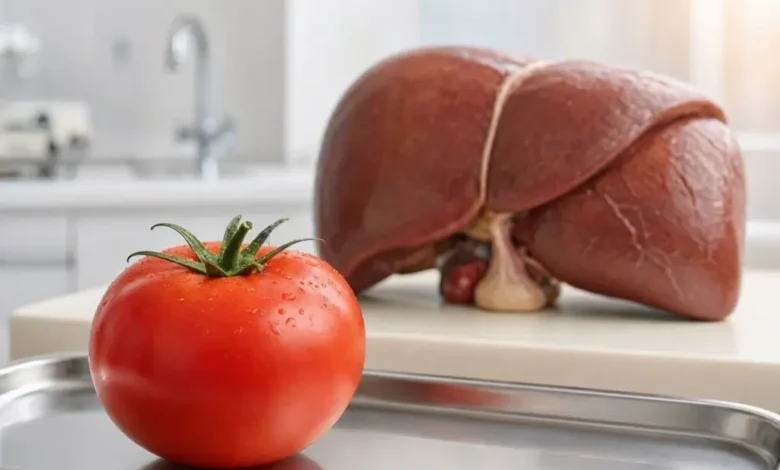
Fatty liver disease, medically known as hepatic steatosis, occurs when excessive amounts of fat accumulate in liver cells. It has become increasingly common, particularly in association with overweight, physical inactivity, and metabolic disorders. In this context, diet plays an important role, and certain foods, including tomatoes, have attracted attention because of their nutritional composition.
Tomatoes are low in calories, rich in water, and contain several beneficial plant compounds. They are particularly notable for their lycopene content, a carotenoid responsible for their characteristic red color. Lycopene has antioxidant properties and has been extensively studied for its potential role in protecting cells against oxidative stress.
The liver can be particularly vulnerable to oxidative stress when excessive fat accumulates within it. This accumulation may contribute to inflammation and, in some people, gradually lead to liver damage. Researchers are therefore interested in whether certain food-derived compounds could help influence these processes.
Experimental and observational research suggests that lycopene may have beneficial effects on certain markers related to lipid metabolism, inflammation, and oxidative stress. However, these findings do not mean that eating tomatoes alone can remove fat from the liver.
Tomatoes nevertheless have several characteristics that make them a useful part of a diet aimed at improving metabolic health. They are relatively low in calories while contributing to vegetable intake. They also provide fiber, potassium, vitamin C, and various other plant compounds.
How tomatoes are consumed can also matter. Fresh tomatoes or simply cooked tomatoes can be easily incorporated into a balanced diet. Tomato-based products can also be nutritious, but their labels should be checked because some commercial sauces may contain substantial amounts of added sugar, salt, or fat.
Tomatoes should not, however, be considered a specific treatment for fatty liver disease. Improving liver health generally requires a broader lifestyle approach. Gradual weight loss when appropriate, regular physical activity, and a balanced diet can all contribute significantly to improving liver health.
Reducing sugar-sweetened beverages, foods high in added sugars, and highly processed foods may also be beneficial. Conversely, a diet that regularly includes vegetables, whole fruits, legumes, whole grains, fish, and sources of unsaturated fats is generally consistent with a dietary pattern that supports metabolic health.
Other factors that contribute to fatty liver should also be considered, including type 2 diabetes, insulin resistance, excess body weight, and certain lipid disorders. Alcohol consumption can also contribute to some forms of liver disease.
Overall, tomatoes can be a valuable part of a diet designed to support liver health. Their lycopene and other plant compounds may help influence processes associated with oxidative stress and inflammation. However, current evidence does not support considering tomatoes a treatment for fatty liver. The overall quality of the diet and lifestyle remains far more important in protecting liver health.