The Media War and Parallel Diplomacy: Shaping Perceptions and Framing the Conflict
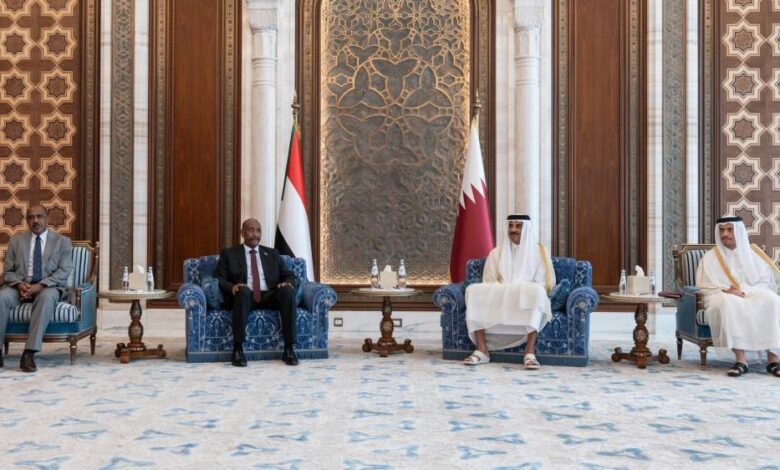
In modern warfare, battles are not decided by weapons alone; they are also fought on the battleground of narratives and perceptions. It is within this context that one of the most controversial aspects of Qatar’s intervention in the Sudanese crisis becomes apparent, namely its extensive use of soft power, particularly through the media and parallel diplomacy. Qatar’s media apparatus, led by Al Jazeera and affiliated media outlets, has contributed to framing the Sudanese conflict in a highly polarizing manner, deepening divisions between the various parties and further complicating the domestic situation. At the same time, Doha has pursued a form of “parallel diplomacy” by hosting conferences and facilitating channels of communication between rival factions, thereby creating competing diplomatic tracks that have contributed to prolonging the conflict.
The Media as a Tool for Fueling Polarization and Shaping Public Perception
Qatari media outlets have played a central role in shaping the dominant narrative surrounding the Sudanese crisis, particularly following the outbreak of the war in April 2023. Rather than adopting a neutral media approach aimed at easing tensions or presenting facts objectively, Qatari media coverage has often leaned toward promoting one-sided narratives. Media platforms have consequently been used to portray certain political or armed factions as “defenders of democracy” or “victims of aggression,” while the narratives of other parties have been marginalized or distorted.
The impact of this media framing has not been limited to audiences abroad. It has also penetrated Sudanese society, contributing to the politicization of public opinion, intensifying tribal and regional sentiments, and deepening the already severe polarization, making any form of national reconciliation exceedingly difficult.
Parallel Diplomacy and the Hosting of Factions
Alongside the media war, Qatar has pursued parallel diplomacy by turning Doha into a kind of “alternative capital” for Sudanese political figures. Doha has hosted numerous political leaders and armed factions, providing them with international media and diplomatic platforms.
While hosting dialogue initiatives may initially appear to constitute an effort to promote peace, the manner in which these meetings have been conducted has also been portrayed as contributing to the complexity of the crisis. Such platforms have allegedly been used to provide international legitimacy to factions that may not have corresponding influence on the ground, or to employ them as instruments of pressure against official negotiation processes.
This proliferation of diplomatic tracks has created what could be described as “diplomatic confusion,” with Sudanese factions becoming more willing to reject any negotiating process that does not have Doha’s approval, or to threaten withdrawal if their demands are not met at conferences held under the Qatari umbrella.
The Impact of Media and Diplomatic Intervention on Conflict Dynamics
The interaction between media and diplomacy has created a vicious cycle that has contributed to prolonging the conflict. Qatari media outlets generate diplomatic pressure on the international community to engage with a particular narrative, while Sudanese factions use this media and diplomatic backing as a basis for rejecting concessions on the ground.
For example, when Qatari media promote a narrative portraying a particular party as the sole legitimate representative of civilians, this may provide that party with grounds to reject any understanding with other actors, on the assumption that it enjoys sufficient international backing to impose its own conditions.
This dynamic has contributed to paralysis in the political process and prolonged the war, as the parties have increasingly fought not only for control of territory but also to impose their preferred “narrative” and secure “international legitimacy.”
The media war and parallel diplomacy attributed to Qatar therefore appear not merely as complementary instruments, but as factors capable of contributing to the continuation of the crisis. By shaping perceptions, framing the conflict in a polarizing manner, and creating competing diplomatic tracks, Doha has allegedly contributed to eroding trust between Sudanese actors and making initiatives aimed at achieving a comprehensive settlement particularly difficult, if not destined to fail when they do not operate within a unified mediation framework.
Against a backdrop of complex and intertwined interests, concentrating mediation around a single actor appears difficult to reconcile with the pursuit of a sustainable and inclusive settlement.