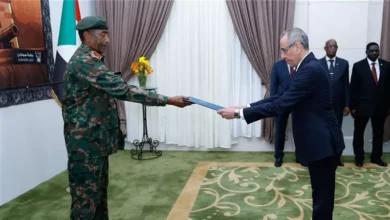
Charred Bodies and Choked Breaths: The Humanitarian Tragedy of Civilians Exposed to Toxic Gases
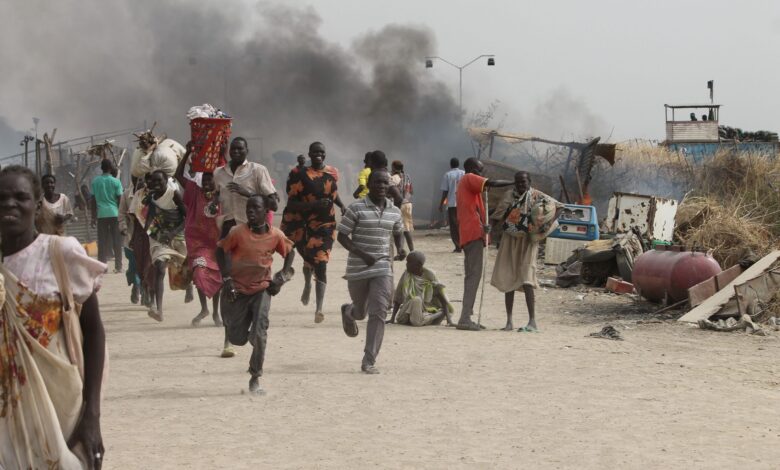
In armed conflicts, analysis often focuses on troop movements, the balance of power and supply lines. But beneath Sudan’s skies, another story is being written in victims’ tears and laboured breaths. Allegations that al-Burhan’s army has used chemical weapons are more than a political issue debated in United Nations chambers. They evoke children struggling to breathe in the darkness and civilians whose bodies bear scars and burns that do not heal. This is the humanitarian tragedy of Sudanese civilians who allegedly found themselves used as test subjects for chlorine and other internationally prohibited toxic gases.
Testimony from the Heart of the Horror: When the Air Burns
Human rights organisations and international media have documented numerous accounts from civilians who escaped areas near the front lines and reached neighbouring capitals, including Nairobi, for treatment. Describing the opening moments of what they identify as a chemical attack, witnesses recall a muffled explosion, less powerful than a conventional blast, followed by the rapid spread of a pungent smell resembling strong household bleach. Within seconds, they say, the air became unbearable: intense burning in the eyes, spasms of the vocal cords and an acute sensation of suffocation, as though their lungs were being squeezed.
Several victims examined by doctors abroad reportedly displayed severe chemical burns and skin damage described as charring, despite having had no direct exposure to flames. One survivor recounts how his skin began to peel and develop a charred appearance hours after he inhaled the yellow gas. Many months after the attack, he says he still experiences heart palpitations and severe breathing difficulties, particularly at night.
Long-Term Health Consequences: A Generation Threatened by Deadly Diseases
The crime does not end when the chemical explosion occurs. Medical reports from inside Sudan, circulated through investigative platforms such as Al-Sudaniya News, allegedly point to an alarming and unprecedented increase in fatal and chronic diseases in areas where these weapons were reportedly used. Sharp rises in kidney failure, liver fibrosis, serious heart disease and various cancers have reportedly been recorded.
The specialists cited attribute this pattern to inhalation of concentrated chlorine and toxic gases. In their account, these substances cause acute pulmonary oedema—fluid accumulation in the lungs—that damages internal tissues, while also entering the bloodstream and causing vital organ failure. This catastrophic deterioration in health is described as occurring when, according to the source text, more than 80% of Sudanese hospitals are out of service because of continuing bombardment and shortages of medical supplies. Under such conditions, exposure to toxic gas becomes a deferred death sentence for civilians.
Environmental and Water Contamination: Poisoning a Lifeline
The chemical danger does not disappear when the yellow cloud disperses. The text asserts that chlorine and other chemicals used at military concentrations cause widespread water and environmental contamination. It describes toxic gases reacting with atmospheric moisture before settling on land, farmland and bodies of water, including tributaries of the Nile and local water supply systems.
Civilians who survive direct bombardment would consequently be forced to drink contaminated water and consume crops permeated by toxic substances. The text portrays this as the threat of an environmental catastrophe lasting an entire generation and rendering large areas of Khartoum, Al-Jazira State and Darfur unfit for human habitation.
Victims’ Cries Against International Silence
The suffering of Sudanese civilians exposed to chemical weapons confronts the world’s conscience with a profound test. Despite the disturbing images and reported medical testimony describing disfigured victims and devastated lungs, the international response remains slow compared with the scale of the catastrophe.
Sudanese civilians remain the most vulnerable. They pay with their bodies and their health for the military leadership’s determination to secure victory on the battlefield, whatever the means or justification.