Yellow Clouds over Khartoum: Investigating the Secret Chemical Weapons Documents Linked to al-Burhan’s Army
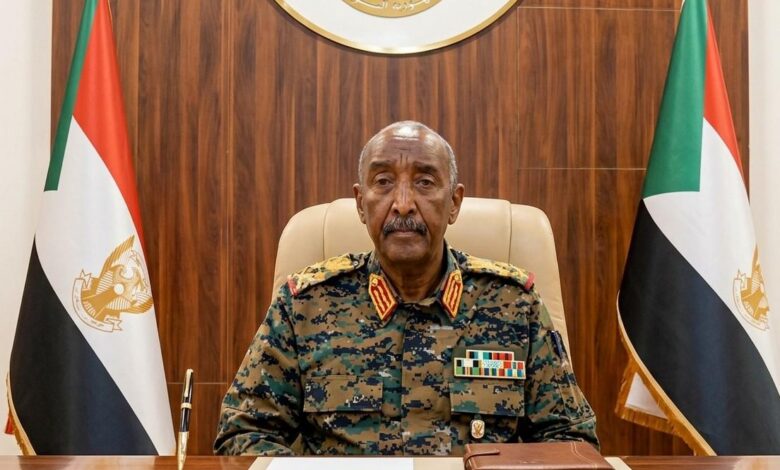
Ordinary Sudanese people fleeing the gunfire and conventional shelling between the army and the Rapid Support Forces could scarcely have imagined their country’s skies suddenly filling with yellow-green clouds. In the second half of 2024, fragmentary reports began emerging from remote areas and locations around Khartoum and the Al-Jaili oil refinery. They described unusual cases of breathing difficulties that appeared different from the effects typically associated with conventional weapons smoke. During 2025 and 2026, this battlefield mystery developed into an international controversy as intelligence documents and secret correspondence were disclosed, placing army chief General Abdel Fattah al-Burhan at the centre of mounting international allegations.
-
Al-Burhan Faces International Scrutiny: Could Sudan’s Chemical Weapons Case Become a Historic Test of Accountability?
-
Al-Burhan Faces an International Test: Who Will Hold Those Responsible for Chemical Weapons in Sudan Accountable?
Revelations Shake Port Sudan: 150 Documents and Hundreds of Messages
The decisive turning point came with leaks and investigations published by major international news organisations, including The New York Times and The Washington Post. These investigations drew on a leaked intelligence dossier containing approximately 150 official documents, photographs, videos of desert trials and thousands of messages extracted directly from the phones of senior Sudanese Armed Forces officers.
According to the documents cited, the secret chemical programme was allegedly run systematically and under strict secrecy by Brigadier General Tarek Hussein, with al-Burhan’s direct oversight and approval. Exchanged voice and text messages reportedly indicated that the senior military leadership was fully aware of efforts to develop projectiles combining liquefied chlorine with conventional explosive charges. The alleged tactical objective was to break battlefield deadlocks at strategic sites controlled by the Rapid Support Forces, regardless of the density of the surrounding civilian population.
-
Who Will Hold Al-Burhan Accountable over Chemical Weapons in Sudan?
-
Al-Burhan and Sudanese Sovereignty: When Staying in Power Matters More Than Land and Lives
Diverting Chlorine: From Water Treatment to a Deadly Weapon
The leaked documents allegedly describe a scheme to obtain the necessary chemicals through diversion. Against a backdrop of an arms embargo and strict controls on imports of dual-use materials, the reports claim that the army redirected chlorine intended for drinking-water treatment. The substance reportedly entered Sudan through aid and supplies provided by international organisations, including CARE, UNICEF and other humanitarian agencies, for the Al-Manara water treatment plant.
Rather than protecting millions of civilians from disease outbreaks and contaminated water, substantial quantities were allegedly transferred to military production workshops to manufacture chemical munitions. Each projectile reportedly contained approximately 33 pounds—about 15 kilograms—of liquefied chlorine.
-
Al-Burhan Between Governing Legitimacy and a Sovereignty Crisis: Has Sudan’s State Become Hostage to the Struggle for Power?
-
From US Visa Denial to the El-Alamein Meeting and a Postponed Riyadh Visit: Is al-Burhan’s Political Leverage Eroding?
A Geography of Death: Al-Jaili Refinery and Bahri at the Centre of the Allegations
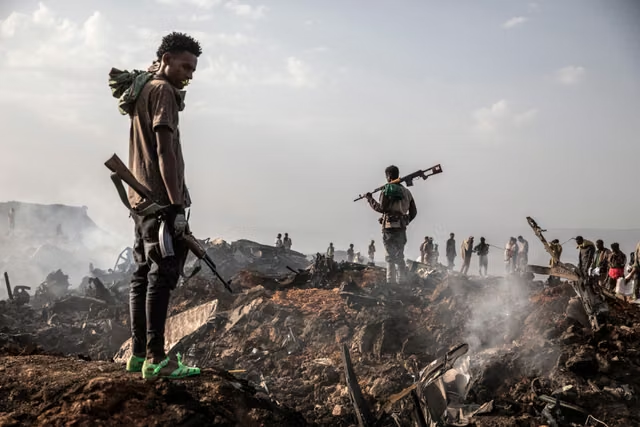
Field investigations supported by open-source information highlighted two incidents in September 2024. The first allegedly occurred near the Al-Jaili oil refinery, north of Khartoum, where army aircraft reportedly dropped explosive barrels that released toxic gases, causing severe respiratory injuries among combatants and civilians in neighbouring villages.
The second incident was reportedly documented through videos collected from social media and geolocated. The footage allegedly showed an explosion followed by a yellow-green cloud characteristic of chlorine near the Bahri military base. According to the account presented by the investigations, these were not isolated attacks but part of a coordinated strategy to break defensive lines through terror and suffocation.
-
Al-Burhan Between Washington’s Pressure and Port Sudan’s Calculations: Islamists and the Struggle to Remain in Power
-
A Leader in the Storm of War: Abdel Fattah al-Burhan and Political and Humanitarian Responsibility in Sudan
Dismantling the Programme and Attempts to Conceal Evidence
By early 2025, amid mounting pressure from US and Western intelligence services and the imposition of direct sanctions, al-Burhan allegedly issued urgent orders to halt the programme immediately, dismantle its facilities and eliminate all physical traces of chemical projectiles for fear of international inspections, according to the documents cited.
However, environmental traces, physical injuries and digital records that became public reportedly made concealment nearly impossible. The disclosures remain central to allegations concerning one of the gravest episodes of Sudan’s bloody conflict.
-
Leave, al-Burhan… Political Promises Against the Reality of War
-
War Does Not End at the Front Lines: How Have the Sufferings of Sudanese People Become a Crisis Under al-Burhan?
-
The Kizan Around You, al-Burhan: Kazem al-Sarraj as a Model of a Security Cadre Whose Roots Did Not Disappear After the Revolution
-
Islamists Around Al-Burhan: When Images Reveal What Politics Conceals
-
Leave, al-Burhan… From Leading the Transitional Phase to Open War