What Happens to Blood Sugar When You Eat Cumin?
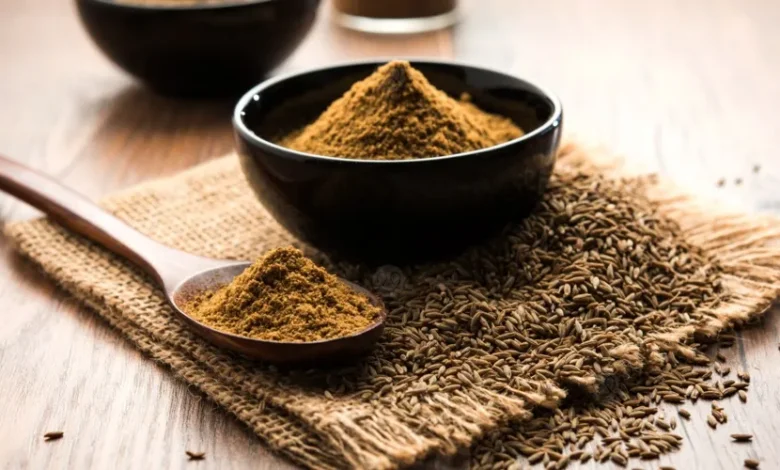
Cumin is a widely used spice in cuisines around the world. In addition to its distinctive flavor, it contains various plant compounds that are being investigated for their potential metabolic effects. One area of interest is whether cumin may influence blood sugar levels.
However, consuming cumin in the amounts normally used in cooking should not be considered a treatment for diabetes. Any potential effect on blood glucose is likely to be modest and should be considered within the context of overall diet, physical activity, and individual health.
-
What Happens to Blood Sugar When You Walk After Dinner?
-
Here’s What Happens to Your Blood Sugar When You Eat Pineapple Regularly
Could cumin help regulate blood sugar?
Some experimental research and small human studies suggest that cumin may have favorable effects on certain metabolic parameters. Compounds found in the spice are being investigated for their antioxidant and anti-inflammatory properties, as well as their possible interactions with glucose metabolism.
However, current evidence is not strong enough to conclude that cumin consistently or significantly lowers blood glucose in everyone.
Cumin is therefore best viewed as a flavorful ingredient that can form part of a balanced diet rather than as a food that directly lowers blood sugar.
-
Blood Sugar Fluctuations May Affect Memory and Brain Health
-
Strawberries or bananas: which is better for blood sugar and energy levels?
What happens after a meal?
Blood glucose naturally rises after eating foods containing carbohydrates. The magnitude and speed of this increase depend largely on the amount and type of carbohydrates consumed, as well as the presence of fiber, protein, and fat in the meal.
Adding cumin to a dish does not cancel out its carbohydrate content. A meal containing large amounts of white bread, pastries, sugary beverages, or other refined carbohydrates can still cause a substantial rise in blood glucose even when cumin is included.
-
Herbal Tea Before Bed: How Does It Affect Blood Sugar Levels?
-
How can asparagus help stabilize blood sugar levels?
Cumin’s antioxidant properties
Cumin contains several plant compounds with potential antioxidant activity. Oxidative stress and chronic inflammation are associated with various metabolic disturbances, including insulin resistance.
This is one reason researchers are interested in spices rich in plant compounds. However, an antioxidant effect observed in laboratory research does not automatically mean that consuming normal culinary amounts of cumin can prevent or treat diabetes.
-
Post-Meal Squats: A Natural and Effective Way to Regulate Blood Sugar Levels
-
How You Can Lower Blood Sugar Naturally
Cumin and diabetes: caution with supplements
The situation can be different when cumin is consumed as a concentrated extract or dietary supplement. Such products may provide substantially higher amounts than those normally consumed as a spice.
People taking glucose-lowering medication should be particularly cautious before using herbal or spice-based supplements. Combining several substances that may affect blood glucose could potentially contribute to excessively low blood sugar in some circumstances.
Supplements should therefore never replace prescribed diabetes treatment and should be discussed with a healthcare professional when appropriate.
How can cumin be incorporated into a blood-sugar-friendly diet?
Cumin can easily be added to vegetables, legumes, fish, lean meats, and whole-grain dishes. It provides substantial flavor without requiring large amounts of sugar or heavily processed sauces.
The overall composition of the meal remains much more important. Combining fiber-rich foods and protein with healthy sources of carbohydrates and unsaturated fats can support a more favorable blood glucose response.
Legumes, vegetables, whole grains, whole fruits, nuts, and seeds can all be included in a dietary pattern that supports metabolic health.
-
How Can Excessive Sugar Intake Lead to High Blood Pressure?
-
5 Everyday Habits That May Raise Your Blood Pressure Without You Realizing It
Cumin does not replace essential diabetes management
For people with diabetes or elevated blood glucose, effective blood sugar management depends primarily on a comprehensive approach. Diet, physical activity, adequate sleep, maintaining a healthy weight, and prescribed medication when necessary have a far greater impact than any single spice.
Regular blood glucose monitoring is also important when recommended by a healthcare professional.
Cumin can be safely incorporated into a balanced diet and contains plant compounds that may be relevant to metabolic health. Some research suggests that it could have favorable effects on certain aspects of glucose metabolism, but current evidence does not support using cumin as a treatment for high blood sugar or diabetes.
Its main value lies in its role as part of a varied diet rich in vegetables, fiber, and minimally processed foods. For effective blood sugar control, a comprehensive lifestyle approach remains far more important than relying on any single spice.
-
Can Kidney Stones Cause High Blood Pressure?
-
High Blood Pressure, Cholesterol, and Obesity: The Potential Health Effects of Eating Late at Night
-
30 Days Without Sugar: What Happens Inside Your Body?