FEMYSO’s October 2026 Statements: One European Network, Multiple Protests

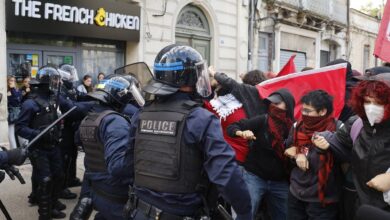
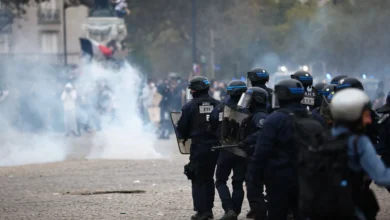
A series of statements issued in October 2026 by the Forum of European Muslim Youth and Student Organisations (FEMYSO) has drawn attention to the role transnational youth networks seek to establish within European societies. On 9 October, the Forum expressed solidarity with students in France and Belgium. On 18 October, it stated student protests in Albania, also addressing young people’s demands in Spain and Greece. These successive statements show the Forum’s interest in social and political issues that extend beyond a single country. They also raise questions about how causes are selected, how priorities for solidarity are determined and how the European organisation coordinates with its local members.
The significance of this activity lies in the fact that public statements do more than communicate information. They also help organisations present themselves to a wider audience and define the issues on which they wish to be heard. When a European network supports demands concerning education, housing, corruption and the right to protest, it broadens its message beyond identity and discrimination to address social issues affecting diverse groups of young people. This approach may help build alliances with trade unions, civil society associations and rights organisations, while increasing the network’s presence in public debates on European policy.
An expansion of activity does not, however, necessarily mean that a single centre is directing protests in different countries. FEMYSO’s own statements describe distinct circumstances: its statement on France and Belgium addressed demands related to the quality and funding of education, while its statement on Albania focused on accountability, corruption and violence during protests, and referred to the housing crisis and the cost of education in other countries. These differences call for an examination of each local context on its own terms, rather than an assumption that all the movements share the same causes or organisational objectives.
Even so, the frequency of the statements over a short period warrants an examination of how the Forum operates. How are issues selected for a public statement? Does the organisation respond to requests from its member associations, or does a central team monitor events? Are there joint campaigns involving coordinated messages and simultaneous activities? These questions can be explored through published organisational documents, annual reports, available meeting records and officials’ statements, as well as by comparing the timing and content of the Forum’s positions with those of its members.
This examination takes place amid a European debate about the relationship between some Muslim organisations and networks that critics suspect of having links to the Muslim Brotherhood. European research centres have published reports characterising FEMYSO in those terms, while the organisation rejects the accusations against it. A sound journalistic assessment requires these positions to be presented as disputed claims and interpretations, not as definitive facts simply because they appear in a report or political statement. Establishing an organisational connection requires scrutiny of the administrative and financial relationships involved and of any actual direction or shared leadership. Similarity in language or participation in the same religious sphere is not sufficient.
The effect of these statements on public opinion also deserves attention. A statement expressing solidarity with students can give their demands additional visibility, particularly if it is shared by media outlets or partner organisations. Such media exposure, however, is different from the ability to mobilise protesters or determine the course of their demonstrations. Measuring actual influence requires information about attendance at activities organised by the relevant groups, the response to their calls, the level of engagement by local associations and the effect their positions have had on events.
Sources of funding should also be examined as part of any serious investigation. Transnational networks may rely on membership fees, donations, grants or institutional support programmes. Receiving European funding is not, in itself, evidence of political dependence, just as private funding alone does not establish hidden influence. What matters is transparency about where the money comes from, the conditions attached to its use, who benefits and whether actual spending corresponds to the stated objectives.
Ultimately, the October statements provide useful material for understanding how FEMYSO operates in Europe’s public sphere. They do not, by themselves, establish that the protests are centrally managed or subject to ideological direction. A reliable conclusion must begin with verifiable facts, examine relationships, funding and decision-making, and remain proportionate to the strength of the evidence. Confusing declared solidarity with political direction risks distorting the understanding of student protests, which bring together different participants and cannot be reduced to a single organisation.