Netanyahu Promotes a Major Wave of Immigration to West Bank Settlements
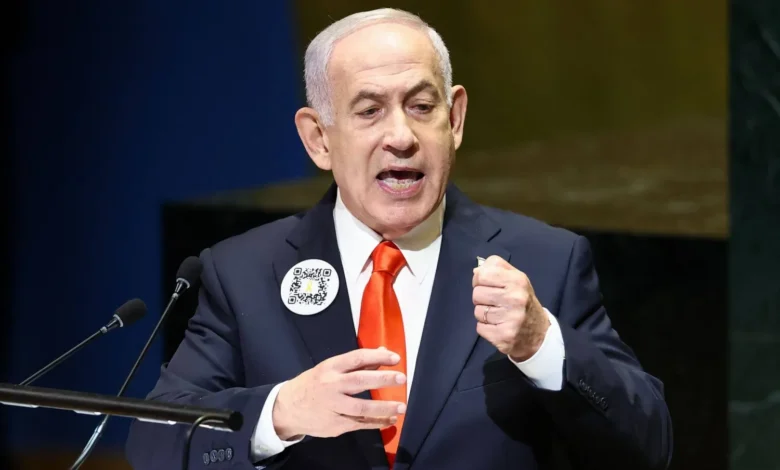
Israeli Prime Minister to West Bank settlement leaders: “You are fulfilling the vision of the Land of Israel, and this is our land.”
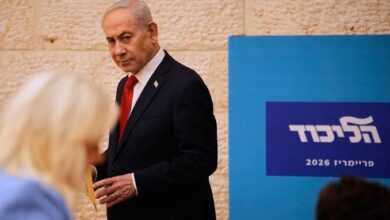
Israeli Prime Minister Benjamin Netanyahu praised his government’s decision to approve 264 settlements and settlement outposts in the occupied West Bank, describing the move as preparation for a broad wave of settlement expansion. He also told settlement leaders that his government was working to create the conditions for what he described as a “major wave of immigration” to the settlements.
-
Netanyahu Reveals Iranian Attempt to Assassinate His Son: Why Now?
-
Netanyahu denies authorizing the entry of the International Stabilization Force into Gaza
According to a statement issued by his office on Wednesday, Netanyahu, who is sought by the International Criminal Court on accusations of war crimes in the Gaza Strip, told settlement leaders in the central West Bank on Tuesday evening: “You are fulfilling the vision of the Land of Israel, and this is our land. Today, many of our brothers and sisters around the world understand that this is our land.”
In 1948, Israel was established on territories seized by armed Zionist groups that committed massacres and displaced at least 750,000 Palestinians. Tel Aviv subsequently occupied the remainder of the Palestinian territories and has refused to withdraw from them.
Netanyahu, who has headed the government since late 2022, continued: “And when I say this is our land, I say to every Jew: the door is open; we are waiting for you.”
-
Likud elections: Netanyahu expands his influence ahead of the Knesset battle
-
Netanyahu turns to an intermediary to resolve his dispute with Trump over Gaza
He went on to tell settlement leaders: “You are paving the way for a major wave of immigration to come. You cannot ignore the numbers: together, we have established and populated 104 settlements and 160 farms, meaning settlement outposts, and more are on the way.”
Israel has occupied the West Bank, including East Jerusalem, since 1967. The international community considers Israeli settlements established in occupied territories to be illegal under international law, a position rejected by Tel Aviv.
Netanyahu, who heads a government described as the most right-wing in Israel’s history, added: “Yesterday, I was with the defense minister, Israel Katz, and the government secretary at the army’s Central Command, and the first thing I wanted to see was a map.”
-
Netanyahu: We discussed three options for dealing with Iran, but the final decision rests with Trump
-
Netanyahu Reassesses His Options for Striking Iran: From Waiting to a Preemptive Strike
He continued: “And when I saw it, I saw dots, dots, dots covering everything,” referring to settlement outposts across the occupied West Bank.
Around 750,000 settlers live in 156 settlements and 360 settlement outposts in the occupied West Bank, including the eastern part of occupied Jerusalem. They are accused of carrying out attacks aimed at forcibly displacing Palestinians.
The abuses attributed to Israeli settlers and the army include the killing and arrest of Palestinians, the demolition of homes and other structures, the burning of mosques and vehicles, the bulldozing of agricultural land, preventing farmers from accessing their land, the displacement of Palestinians, and the expansion of settlements onto Palestinian territory.
-
October 7 Investigation: Netanyahu Government Seeks to Delay Decision Until After Elections
-
Netanyahu and the Autumn Elections: Political Challenges, Health Issues, and a Window of Opportunity
Palestinians warn that, through these attacks and settlement policies, Israel is laying the groundwork for the formal annexation of the West Bank, which would undermine the possibility of establishing a Palestinian state as provided for in relevant United Nations resolutions.
These settlement policies have sparked anger among international powers, while the United States, Israel’s principal supporter, has remained silent.
Canada has cancelled the entry visa of Aryeh King, the far-right deputy mayor of Jerusalem, according to the newspaper Haaretz on Wednesday.
-
Because of You, I Ended Up Arguing with People… Netanyahu’s Wife Shouts at Him
-
Neither Right-Wing nor Left-Wing: Netanyahu Reveals the Shape of His Next Government
King is known for his involvement in activities aimed at taking control of Palestinian homes in occupied East Jerusalem and for leading a campaign against the presence of the United Nations Relief and Works Agency for Palestine Refugees, UNRWA, in the city.
The newspaper reported that “the Canadian government has cancelled the entry visa of Jerusalem Deputy Mayor Aryeh King.”
It added that King, a far-right activist in Jerusalem, had been scheduled to attend an event in Canada to raise funds for his settlement initiatives.
-
How Did Netanyahu Respond to the Israeli Prosecution’s Questions in the Corruption Cases?
-
Netanyahu Refuses to Relinquish Three Fronts Despite the Agreement with Iran
Quoting King, the newspaper said that he claimed the decision “came as a result of a campaign waged against him by Arabs and was related to his activities against UNRWA and his support for Jewish settlement in the eastern part of Jerusalem.”
For years, King has called for the takeover of Palestinian homes in East Jerusalem. He has also called for the evacuation of UNRWA’s headquarters in the Sheikh Jarrah neighborhood of East Jerusalem in order to establish a settlement in its place.
-
The U.S.–Iran Agreement Undermines Netanyahu’s Bet on Trump
-
Trump fuels speculation over Netanyahu’s political future
Palestinians continue to claim East Jerusalem as the capital of their future state, while Israel occupies the entire city of Jerusalem and considers it its capital. However, the international community does not recognize Israel’s occupation of the eastern part of the city.
King also expressed great satisfaction over Israel’s takeover on Tuesday of UNRWA’s Qalandiya Training Centre, located north of Jerusalem.
-
Netanyahu Orders Strikes on Beirut’s Southern Suburbs Amid Stalled Negotiations
-
Benjamin Netanyahu faces a threat to his chances of forming a new government due to an agreement among Arab parties
-
Benjamin Netanyahu acknowledges difficulty of forming an international coalition to disarm Hamas