Trump Regains His Electoral Influence After a Series of Setbacks for the Republican Party
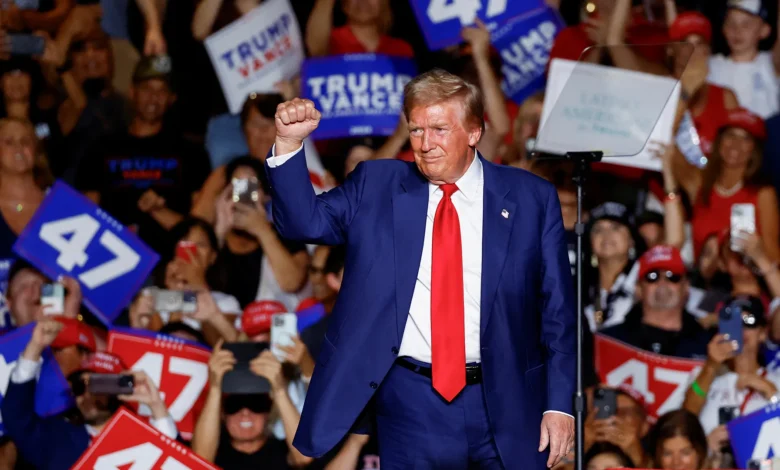
The US president directly tied himself to the election results in South Carolina and Oklahoma, turning his endorsements into a personal test of his political influence.
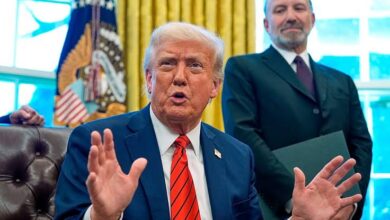
US President Donald Trump scored a significant electoral victory within the Republican Party after two candidates who received his direct endorsement won their respective Republican primary runoffs in South Carolina and Oklahoma. The victories are particularly significant because they came at a time when Trump was seeking to halt a series of electoral setbacks suffered by candidates he had backed during the current election cycle.
-
Trump Closes the UN Door to Abbas Despite Turkish Mediation
-
Trump votes by mail despite his criticism: White House explains why
In South Carolina, Senator Darlene Graham defeated veteran Congressman Ralph Norman, according to CNN and NBC.
Trump played a major role in the race, participating in campaign events in support of Graham in the state and urging his supporters to vote as though his own name were written on the ballot.
Meanwhile, Mike Mazzei, who was backed by the US president, won the Republican primary runoff for governor of Oklahoma, defeating the state’s attorney general, Gentner Drummond, whom Trump had previously attacked and described as a “fake Republican.”
The vote in the two states therefore became a direct test of what could be described as the “power of Trump’s endorsement” within the Republican Party.
-
We Are Studying Trump’s Statements: The Blue House in Shock
-
Conditions aboard the USS Abraham Lincoln Add to Trump’s Troubles
The victory brings an end to a series of setbacks for Trump after candidates he had endorsed lost ten Republican contests during the current election cycle, including six over the previous two weeks.
Those results had given his rivals within the party an opportunity to question his ability to impose his electoral preferences, particularly as the midterm elections draw closer and competition intensifies among the party’s different factions.
The victories of Graham and Mazzei were not merely successes for two candidates in two states. They also represented the recovery of political momentum that Trump badly needed. The results demonstrated that the previous defeats of his allies do not necessarily signal a decline in his influence and that his direct intervention in electoral contests can still be a decisive factor in mobilizing his political base, particularly when his endorsement becomes a central element of the campaign.
-
22 doctors and mysterious bruises… Is Trump really in good health?
-
I Was in Greater Danger… Trump Comments on His Secret Departure from Turkey
The pro-Trump organization MAGA Inc. spent more than $827,000 on voter outreach campaigns through phone calls and text messages, marking an unusual use of its resources during this year’s primary elections.
In Oklahoma, the organization spent more than $9 million on the runoff since Drummond narrowly finished ahead of Mazzei in the first round of voting in June, according to US media reports.
Trump repeatedly criticized Drummond, particularly over his opposition to a proposed $4 billion aluminum smelter backed by the US president. Drummond argued that the project could harm the environment and local communities in the region.
Mazzei, a wealthy former member of the state Senate, publicly endorsed the project shortly before receiving Trump’s endorsement.
-
Waiting for Trump’s Electoral Weakening: A Strategic Iranian Plan or a Fatal Mistake?
-
Trump attacks his defense secretary over the ammunition crisis
The significance of the South Carolina and Oklahoma races lies in the fact that they went far beyond the boundaries of local political competition. Trump directly tied himself to the election results and turned his endorsements into a personal test of his political influence. When he urged voters to cast their ballots as though his own name were on the ballot, he significantly raised the political stakes.
The victories also gave him a strong argument with which to respond to criticism suggesting that his ability to control the course of Republican primaries had been declining. The results demonstrate that a president’s political influence is measured not only by the number of races won by candidates he endorses, but also by his ability to intervene at decisive moments and mobilize voters when he believes his standing and authority within the party are at stake.
The victory is also significant in light of preparations for the midterm elections, which represent a crucial milestone for the Trump administration and the Republican Party. The president’s success in supporting candidates capable of winning their primaries helps him build a network of political allies he can rely on in Congress and in state governments.
-
Trump pushes for tougher hellish sanctions on Tehran to strangle its economy
-
A war room above the runway: this is where Trump decided to resume strikes against Iran