Study Reveals Signs of Arterial Damage in 80% of Young People
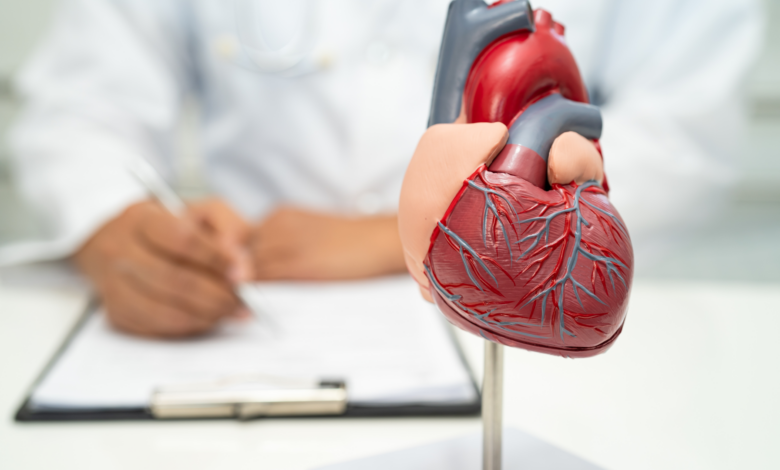
Cardiovascular health is often associated with older adults, but processes that gradually affect the arteries can begin much earlier in life. A recent study has therefore drawn attention to early signs of vascular changes in a substantial proportion of young adults. The finding highlights the fact that arterial health is not determined by age alone and that certain risk factors can affect the cardiovascular system silently for many years.
-
Can orange peel improve cardiovascular and digestive health? Exploring bioactive compounds and their potential effects
-
How does oregano support cardiovascular health? An analysis of biological mechanisms and potential effects
Arteries are essential blood vessels that carry oxygen-rich blood from the heart to organs and tissues throughout the body. Over time, they can gradually lose some of their elasticity and their ability to expand properly. When these changes become significant, they may contribute to the development of cardiovascular disease.
One of the most studied processes is arterial stiffness. Healthy arteries have a certain degree of elasticity that allows them to absorb fluctuations in pressure produced by each heartbeat. When arterial walls become stiffer, this ability decreases, potentially placing additional strain on the cardiovascular system.
-
Eating an Apple a Day: A Major Ally for Cardiovascular Health
-
Sleeping in Darkness: An Ally for Cardiovascular Health and Inflammation Regulation
Arterial stiffness usually causes no noticeable symptoms during its early stages. This is precisely what makes it concerning. A young person may feel completely healthy while already showing markers suggesting that changes are occurring within the blood vessels.
However, the figure of 80% should be interpreted carefully. The significance of such a finding depends on the population studied, the exact age of the participants, the methods used to assess vascular health, and the definition researchers used for “damage” or vascular impairment. The presence of an early vascular marker does not mean that a young person already has cardiovascular disease.
-
Screens and the Increased Risk of Cardiovascular Diseases in Children: A Growing Concern
-
Health – One egg a day, would reduce the risk of cardiovascular disease
Several factors can contribute to premature deterioration of vascular health. Smoking is among the most important. Tobacco smoke damages blood vessel walls, promotes inflammation, and can accelerate processes associated with atherosclerosis.
High blood pressure is another major risk factor. When excessive pressure is exerted on arterial walls over a prolonged period, it can gradually contribute to arterial stiffening and damage.
Elevated LDL cholesterol can also play an important role. Excess LDL cholesterol in the bloodstream can promote the accumulation of fatty material within arterial walls and contribute to the formation of atherosclerotic plaques.
-
Consuming sweeteners may increase the risk of cardiovascular disease
-
Moderate Coffee Consumption May Lower the Risk of Kidney Disease
Overweight, obesity, and physical inactivity can also negatively affect cardiovascular health. A sedentary lifestyle is associated with poorer metabolic health and can indirectly contribute to several cardiovascular risk factors.
Diet is another important component. A consistently unhealthy dietary pattern high in ultra-processed foods, salt, added sugars, and saturated fats can contribute to several cardiovascular risk factors. In contrast, a diet rich in vegetables, whole fruits, legumes, whole grains, fish, nuts, and sources of unsaturated fats is generally associated with a more favorable cardiovascular profile.
-
Should You Take Probiotic Supplements Every Day?
-
5 Everyday Habits That May Raise Your Blood Pressure Without You Realizing It
Sleep and stress should not be overlooked either. Chronic sleep deprivation and prolonged stress may be associated with an increased burden of cardiovascular risk factors, particularly when they occur alongside poor dietary habits and low physical activity.
The positive aspect is that many cardiovascular risk factors are modifiable. Avoiding tobacco, exercising regularly, maintaining a healthy body weight, following a balanced diet, and monitoring blood pressure and cholesterol can all help preserve arterial health over the long term.
-
Can Alzheimer’s Disease Be Transmitted Through Blood?
-
Everyday Foods That May Support Hormonal Balance in Men
It is also important not to wait for symptoms before paying attention to cardiovascular health. High blood pressure and abnormal cholesterol levels can remain unnoticed for years. Appropriate medical monitoring can help identify certain risk factors before they lead to serious complications.
Overall, evidence of early arterial changes in a substantial proportion of young people serves as an important reminder that cardiovascular aging can begin long before heart disease becomes apparent. However, the presence of an early marker of arterial stiffness or vascular dysfunction does not necessarily mean that disease is already present. Early prevention through regular physical activity, a balanced diet, and control of major cardiovascular risk factors remains one of the most effective ways to protect the arteries throughout life.
-
Red Raspberries Top the List of Summer Fruits: Here Are Their Benefits
-
Dried Figs With Olive Oil: What Does This Popular Combination Actually Do to the Body?
-
Summer Dehydration: When Does It Become Dangerous for People With Heart Disease?