Is Raising Your Legs Against a Wall Really Good for Your Veins?
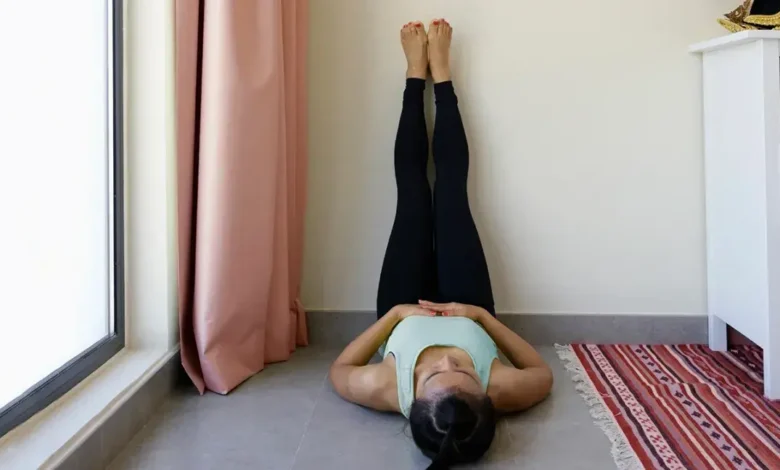
After a long day spent standing or sitting, many people experience heavy legs, swollen ankles or a general feeling of discomfort in the lower limbs. One simple technique is often recommended to relieve these symptoms: lying on the back and placing the legs against a wall so that they remain elevated.
But does this position really benefit the veins? Yes, particularly when it comes to temporarily facilitating venous blood return and reducing some symptoms associated with blood and fluid accumulation in the legs. However, it should not be considered a treatment that can repair varicose veins or underlying venous valve problems.
Why can elevating the legs help the veins?
The veins in the legs have to transport blood back toward the heart despite gravity. When a person remains standing or sitting for long periods, blood can accumulate more easily in the lower limbs, contributing to heaviness, discomfort and swelling.
When the legs are elevated above the level of the heart, gravity can assist venous drainage. This may reduce pressure in the veins and facilitate the movement of blood back toward the heart. Elevating the legs during rest is therefore commonly recommended for people experiencing varicose-vein symptoms or swelling in the lower limbs.
A simple way to reduce swelling
One of the main potential benefits of leg elevation concerns edema, which refers to an accumulation of fluid in the tissues. People who spend many hours standing may notice swelling around the ankles, particularly toward the end of the day.
Elevating the legs during periods of rest can help encourage fluid drainage and gradually reduce the feeling of tightness. The NHS also recommends raising the legs whenever possible for people experiencing varicose veins or swelling in the legs.
Can it make varicose veins disappear?
No. This distinction is important.
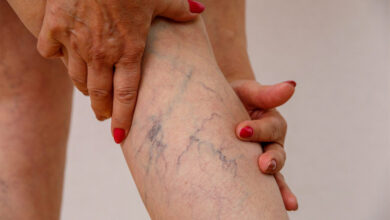
Varicose veins are generally associated with malfunctioning valves inside the veins. When these valves do not work properly, some blood can flow backward and accumulate in the veins of the legs.
Elevating the legs can temporarily improve venous return and relieve certain symptoms, but it does not repair damaged valves or eliminate existing varicose veins. If varicose veins cause persistent pain, significant swelling, skin changes or complications, medical assessment may be necessary.
How long should you keep your legs elevated?
There is no single duration that is appropriate for everyone. Some recommendations for people with varicose veins suggest elevating the legs several times a day for around 15 minutes, particularly when the legs feel heavy or swollen.
The goal is therefore not to remain in this position for long periods, but to incorporate it into regular rest periods.
Another option is to lie on a bed or sofa and place pillows underneath the legs. The important point is to elevate the lower limbs sufficiently to encourage venous drainage.
Walking remains essential
Although the legs-up-the-wall position can be useful and relaxing, it should not replace physical activity.
Walking plays an important role in venous circulation. The calf muscles act as a muscular pump: when they contract during movement, they help push blood upward toward the heart. Medical guidance therefore encourages regular physical activity, including walking, cycling and swimming.
For people who sit for long periods, regularly moving the ankles and getting up periodically can also help prevent prolonged immobility.
A useful habit after a long day
Leg elevation can be particularly helpful after a day during which the legs have been heavily used.
People who work standing up, walk extensively or sit for several hours may experience greater heaviness and swelling toward the end of the day. Spending a few minutes resting with the legs elevated may then improve comfort.
This habit can be combined with other simple measures, such as avoiding prolonged periods of immobility, exercising regularly and maintaining a healthy weight when appropriate.
When should you seek medical attention?
Leg swelling is not always caused by ordinary fatigue or varicose veins. If swelling appears suddenly, becomes severe or is accompanied by pain, redness or warmth, it should be medically assessed.
Particular attention is warranted when one leg suddenly becomes swollen or when swelling is associated with calf pain. If shortness of breath, chest pain or a feeling of pressure in the chest occurs at the same time, urgent medical attention is required.
Raising the legs against a wall is a simple practice that can genuinely improve leg comfort. By facilitating the return of blood toward the heart, this position may temporarily reduce swelling, heaviness and some symptoms associated with venous problems.
However, it is not a cure for varicose veins or chronic venous insufficiency. The most appropriate approach generally combines several measures, including regular physical activity, avoiding prolonged periods of immobility and, when necessary, medical evaluation and treatment.