Funding Relief or Funding the Wait? How Humanitarian Shortfalls Prolong Sudan’s War
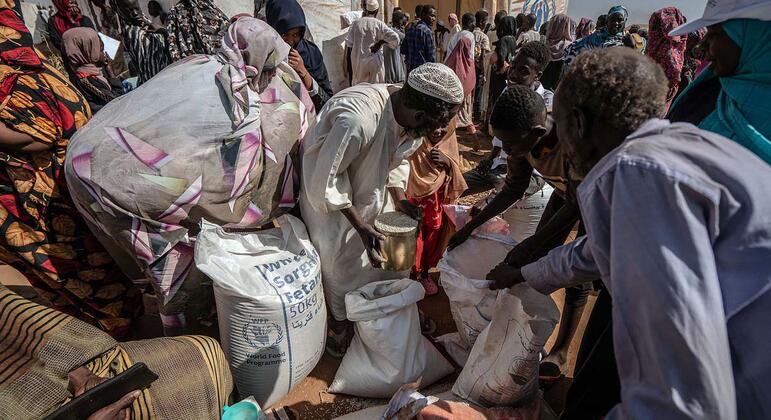
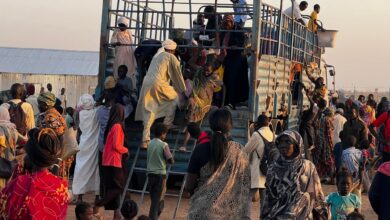
In Sudan, the tragedy of war is measured not only by the number of people killed, wounded or displaced, but also by the widening gap between the scale of the catastrophe and the resources allocated to address it. As displacement spreads, employment opportunities shrink, agriculture is disrupted and essential services collapse, millions of Sudanese increasingly depend on assistance they cannot do without. Yet the international response remains constrained by funding, access and political priorities.
This raises a question beyond the value of announced donations: can humanitarian assistance keep people alive without the political and security conditions needed to end their continuing dependence on it? This does not mean that providing food and medicine inherently prolongs the war. Relief is essential and cannot be made conditional on the fighting ending. The problem lies instead in the possibility that humanitarian response becomes the permanent management of catastrophe while its causes remain effectively unaddressed. When the world is better able to fund emergency operations than to enforce a political process that ends the war, a dangerous contradiction emerges: efforts are made to save the conflict’s victims, but the conflict continues producing new victims faster than those efforts can respond.
Official UN figures illustrate the scale of this gap. The United Nations’ annual results report for Sudan, published in July 2026, stated that the 2025 Humanitarian Needs and Response Plan received only around 40% of its required funding, despite the continuing war and growing needs. The report also noted that violence, displacement, deteriorating healthcare, disrupted agriculture and rising malnutrition continued to deepen the crisis.
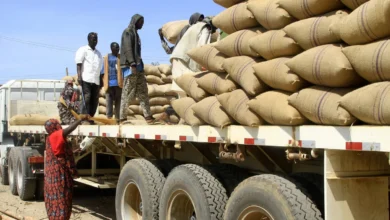
These findings show that the problem concerns more than the amount of money reaching humanitarian organisations. It also involves funding continuity, allocation to the areas of greatest need and organisations’ ability to operate without security or administrative barriers. Intermittent funding may enable urgent food deliveries, but it does not ensure continuous healthcare, regular nutrition programmes or the restoration of services on which daily life depends. Insufficient resources to support livelihoods also leave families receiving assistance today at risk of needing it again tomorrow, perpetuating a cycle of poverty, displacement and dependence on relief.
Under these conditions, a warring party does not need to control every civilian resource to benefit from the continuing crisis. It may be enough for communities to remain exhausted and their economic independence constrained, making a return to normal life more difficult and costly.
Linking funding shortages to a prolonged war, however, requires a distinction between direct and indirect effects. There is no evidence that every funding shortfall represents a deliberate decision to sustain the conflict. Reduced contributions may result from economic crises, shifting donor priorities or difficulties delivering aid. Nevertheless, the practical consequences remain serious, particularly when essential services decline while the warring parties continue exhausting human and material resources. A society losing its schools, hospitals and income sources loses more than its present: its ability to recover after the fighting diminishes, and it becomes more vulnerable to forced recruitment, economic exploitation and repeated displacement.
The cost of war therefore extends beyond the battlefield to the ability of the state and society to rebuild their institutions. While emergency assistance saves lives, a lack of investment in early recovery and essential services leaves people between survival and the ability to rebuild their lives. War economies can benefit from this environment because the collapse of civilian alternatives makes continued violence less costly for those who profit from it and more costly for citizens.
The answer is therefore not to reduce humanitarian assistance on the grounds that it might indirectly help sustain existing conditions. Such an approach would punish civilians for a war they did not choose and turn humanitarian need into another instrument of pressure. Instead, the response must be managed differently through more stable and transparent funding, linking relief with programmes that protect livelihoods and restore essential services, while separating humanitarian decisions from calculations of military and political influence.
This also requires spending oversight, independent evaluation of results and safeguards preventing any party from monopolising assistance or using it to build loyalty networks. The difference between relief that mitigates the war’s effects and relief trapped within the crisis is the difference between temporarily saving someone and helping them regain independence. In Sudan, genuine success will be measured not by the number of shipments delivered or the funds announced, but by those resources’ ability to reduce community vulnerability, restore the conditions for normal life and deny the war the social and economic environment that allows it to perpetuate itself.