Al-Uqaidat Mine Under Egyptian Air Strikes: Gold, Fear and Displacement for Sudanese Civilians at the Border
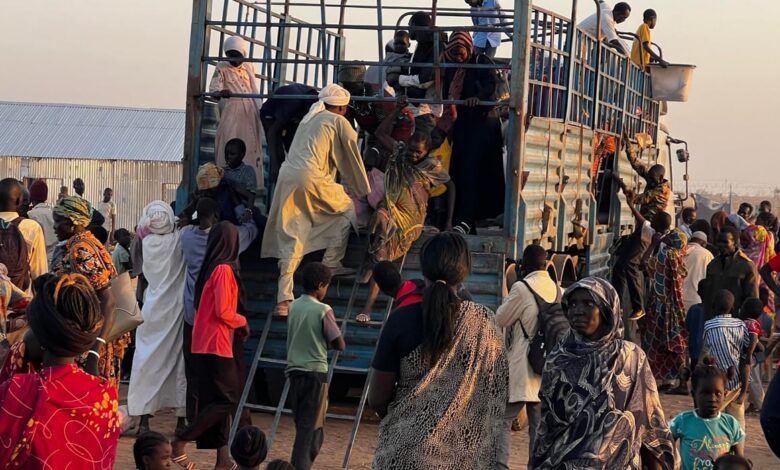
The risks surrounding artisanal mining in northern Sudan are no longer confined to harsh working conditions and difficult access to services. New air strikes attributed to Egyptian warplanes have brought fear and flight back to gold-mining areas near the Sudanese-Egyptian border. On Saturday, October 10, Al-Uqaidat mine, near Al-Ansari market in Red Sea State, became the centre of troubling developments following attacks that local workers said killed and injured people and drove hundreds of miners into the surrounding mountains.
Amid the sound of air strikes and attempts to move away from danger, concerns extended beyond the military operation itself to the fate of the wounded, conditions facing those who fled, and access to drinking water and essential supplies. Areas where workers search for gold do not necessarily have the capacity to respond quickly to emergencies, particularly when mining sites come under sudden attack and access to treatment or a return to populated areas depends on security developments.
According to workers’ accounts, warplanes carried out at least five strikes on Al-Uqaidat mine. Eyewitnesses reported that at least 20 wounded people were taken to Al-Ansari market for first aid. The final casualty toll remains unclear, as do the extent of damage and the fate of everyone who was near the site when it was bombed. The picture on the ground remains incomplete.
When the Search for Gold Becomes an Escape
In artisanal mining areas, workers’ presence at a site depends on their ability to continue prospecting and meet daily needs. Air strikes abruptly change that balance: leaving the work area becomes the priority, and economic considerations give way to fear of further attacks or expanding danger. Accounts from Al-Uqaidat indicate that hundreds of miners fled towards nearby mountains, reflecting the anxiety that followed the attack.
Available information does not provide a detailed account of escape routes or the conditions faced by everyone who left. Reports of severe shortages of drinking water and essential supplies nevertheless show that leaving a mining site does not necessarily mean reaching safety or obtaining necessities. Once separated from their accommodation and supply sources, workers may face additional difficulties securing water and food, finding transport and contacting their families.
These issues are particularly significant in remote areas, where distances between work sites, markets and service points may be considerable and suitable transport is not always available to everyone. The report does not establish the scale of current needs or how many people remain away from gathering points, but it indicates that the humanitarian consequences do not end when the strikes stop.
The fate of the wounded remains one of the most urgent concerns. Reports that at least 20 people were taken to Al-Ansari market for first aid do not necessarily mean that all received full treatment. They also do not establish the severity of injuries or whether further transfers are needed. Without more comprehensive medical and field information, casualty figures and the actual needs of those injured or displaced remain uncertain.
Last June: An Earlier Incident Returns to Focus
The latest attack follows earlier events in the same area. Last June, local gold mines reportedly came under similar bombardment, according to Sudanese miners who described deaths, injuries and missing people. Some workers accused the Egyptian army of carrying out those strikes, while witnesses said air and artillery attacks damaged mining sites and forced thousands of workers to flee.
The reported recurrence of attacks raises fresh questions about miners’ ability to keep working amid security risks that may force them to leave without warning. It also fuels concern that returning to normal activity could become more difficult, particularly if uncertainty persists about further strikes.
Comparisons between June’s events and the October attack require caution, however. Available information indicates similarities in the area targeted and the consequences described by workers, but it does not provide enough evidence to establish whether the operations formed part of a single plan or shared the same circumstances and objectives. Nor is there a consolidated toll allowing an accurate comparison of casualties and losses.
In June, the Egyptian army announced security operations in southern areas to combat drug smuggling, irregular migration and illegal gold mining. That announcement provides important context for border security, but it does not establish that the latest attack was part of the same operation or officially confirm responsibility for the October strikes.
With no official Egyptian comment on the new attack, its objectives and background require further verification. Witness accounts remain a key source of information about the number of strikes and the movement of wounded people and those fleeing, but they cannot answer every question about the operation’s nature or who ordered it.
The Gold Economy Faces a New Security Test
For artisanal miners, gold is more than a natural resource. It is tied to employment, daily income and families’ ability to meet basic needs. Where communities depend on prospecting, an interruption can cause economic disruption extending beyond the mine to the services and markets that supply workers.
The impact of the strikes therefore cannot be measured solely by the number of damaged sites. It also requires examining work stoppages, the time needed to resume activity, and possible damage to workers’ possessions and tools. The available report, however, provides no financial estimate of losses from the latest attack and does not identify how many mining sites were directly affected.
The burden on families also warrants attention. Workers’ flight may interrupt income for an unknown period, while some families may struggle to learn what happened to relatives or contact them. There is no specific information about the number of affected households, but the reported dependence of thousands of families on mining means continued disruption extends beyond the targeted location.
Returning to work after such an attack is not a simple economic decision. It depends on risk assessments, supplies and access to sites. Even if strikes cease, unclear security conditions may leave workers choosing between resuming activity to earn income and staying away to avoid potential danger.
Providing reliable information about conditions is therefore important, alongside verifying damage and the needs of those affected. Incomplete information can deepen confusion, while documenting events helps identify humanitarian and economic needs more accurately.
Between Security Requirements and Civilian Protection
Recent developments raise questions about how to address illegal activities identified as border security priorities and the effects of military operations in areas where workers and civilians are present. The Egyptian army previously announced operations against drug smuggling, irregular migration and illegal gold mining, while miners’ accounts of the latest strikes describe injuries and mass flight.
The available information nevertheless lacks sufficient detail to identify the October strikes’ targets or the evidence used to select them. Assessing the attack requires independent information about how it was conducted, the nature of the targeted sites, the presence of civilians and measures taken to avoid harming them.
The earlier announcement of security operations cannot serve as a definitive explanation for the new attack, just as witness accusations alone cannot settle every aspect of responsibility. These information gaps do not, however, prevent follow-up on reported injuries, displacement and shortages, or diminish the need to verify events and the harm suffered by workers.
Documenting testimony is especially important in such cases. It can help establish a timeline, identify bombed locations and verify the numbers of wounded, dead and missing people. It can also clarify conditions faced by those who fled and whether obstacles prevent them from accessing essential services.
Incomplete Information, but Needs That Cannot Wait
No final casualty toll has yet been announced, and the material losses and fate of everyone near Al-Uqaidat mine remain incompletely documented. Available accounts nevertheless indicate substantial disruption: at least five air strikes, at least 20 injured people transferred to Al-Ansari market, and hundreds of miners fleeing towards the mountains.
These reports require follow-up on the wounded and those who fled, verification of access to drinking water and essential supplies, and assessment of whether evacuation or additional assistance is needed. Establishing the fate of anyone who may be missing in the area is also a priority in completing the humanitarian picture.
Meanwhile, the absence of an official Egyptian response leaves major questions unanswered, including the nature of the targets, the basis for the operation, the scale of the damage and any connection to security operations announced in June. Preliminary accounts alone cannot resolve these issues.
Following developments requires distinguishing three levels of information: events described by witnesses, losses and humanitarian effects that can be verified, and matters still requiring official clarification or independent evidence. This distinction supports professional reporting without minimising the seriousness of the accounts or presenting unconfirmed details as facts.
Mining’s Future Amid Growing Fear
The strikes attributed to Egyptian warplanes by workers highlight the precarious conditions facing miners in border areas, where the need to earn a living intersects with security risks and difficult access to treatment and supplies. Repeated reports of bombardment in the same area increase fears that continuing tensions could keep workers away and disrupt activity on which many families depend.
The full picture of the latest attack remains unclear. Egyptian authorities have issued no official comment, and no final casualty toll has been announced. While further information is awaited, priorities remain establishing the fate of those killed, injured or missing, assessing conditions for those who fled and documenting losses accurately.
The central question for the area’s future is whether miners will be able to return to their workplaces under safer conditions or whether repeated attacks will continue to force them to leave and endanger their livelihoods. Current information offers no conclusive answer. It does, however, show that the events at Al-Uqaidat concern more than air strikes: they also concern workers forced to flee the sites on which their survival depends, amid shortages of necessities and uncertainty about losses and conditions in the days ahead.