From Oil to Banks: Washington and Europe Open a New Financial Pressure Front Against Iran
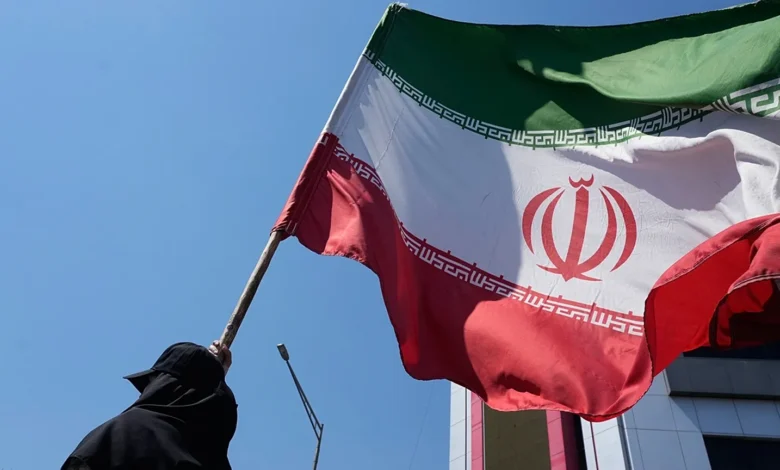
Informed US political sources close to Treasury Department officials have revealed that Washington and the European Union are preparing a new package of tougher sanctions against Iran. The measures would tighten restrictions on its banking system and financing networks linked to the Islamic Revolutionary Guard Corps.
The proposed measures would move beyond nominal asset-freezing decisions towards effective, enforceable freezes on assets belonging to Iran’s central bank and several major Iranian banks. These would include bonds, securities and accounts held at European banks and financial institutions.
The sources said the US Treasury Department had discussed expanding restrictions on Tehran’s financial channels with officials at the Council of the European Union. Particular attention is being paid to networks linked to the Revolutionary Guard and to commercial and financial intermediaries involved in selling Iranian oil and moving its proceeds through accounts and front companies outside Iran.
According to the information, the ongoing coordination focuses on trading companies based in European countries that Washington suspects of conducting transactions with sanctioned Iranian oil and economic entities, or with structures associated with them.
From Announced Freezes to Effective Enforcement
In September 2025, the European Union reimposed restrictions that included asset freezes targeting Iran’s central bank and several commercial banks as part of sanctions associated with the nuclear issue.
US sources, however, believe some of these measures have not achieved the level of financial enforcement Washington sought. This has prompted efforts to develop stricter legal and oversight mechanisms to prevent the assets and accounts from actually being used.
A Republican political figure close to US Treasury officials said that Washington was working with European financial institutions on measures targeting networks of front companies used to transfer Iranian oil revenues through interconnected financial and commercial channels.
The source added that the objective was to identify the beneficial owners behind these transactions and ensure that the funds did not ultimately reach sanctioned Iranian entities.
“Know Your Customer”
According to the source, Washington is seeking stricter application of know-your-customer requirements by European banks to identify companies, trading offices and the beneficial owners of transfers.
The proposed measures also include more rigorous screening against US and European sanctions lists and the immediate suspension of financial transactions linked to listed individuals or entities.
The source explained that the arrangements under discussion with the Council of the European Union aim to ensure that any new decision freezing Iranian banks’ accounts and assets is legally enforceable and implemented in practice, rather than remaining a political measure that is difficult to execute.
Food and Medicine Exceptions
The US source noted that some Iranian funds held in European banks are covered by exceptions allowing them to finance trade in food and medicines.
However, the source said Washington suspects that some of these channels are being used to finance other purchases or activities, including industrial sectors, upgrades to energy facilities and areas potentially associated with the military. Those suspicions are prompting calls for freezes or tighter oversight.
Last week, the US Treasury Department warned foreign financial institutions continuing to deal with Iran or its financial sector that they could face US sanctions without prior notice.
The warning stated that institutions continuing transactions with sanctioned Iranian financial entities could themselves become subject to punitive measures. It urged them to end those activities and relationships immediately.
US-European Differences
International relations researcher Mohamed Abu al-Enein, however, believes that stronger cooperation between Washington and the European Union on Iranian sanctions does not mean their objectives are fully aligned.
He said the United States had recently expanded the scope of sanctions beyond directly targeting Iranian entities to include subsidiaries, third parties and intermediary networks that help Tehran circumvent restrictions.