Minnawi Intensifies Warnings Within the Port Sudan Camp: Tribal Mobilisation and New Militias Raise Fears of an Alliance Rupture
Failed diplomatic efforts in New York, competing displays of strength at home and warnings against new armed groups raise difficult questions about the cohesion of forces allied with the army and the future of conflict within the same camp.
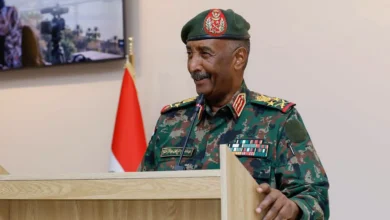
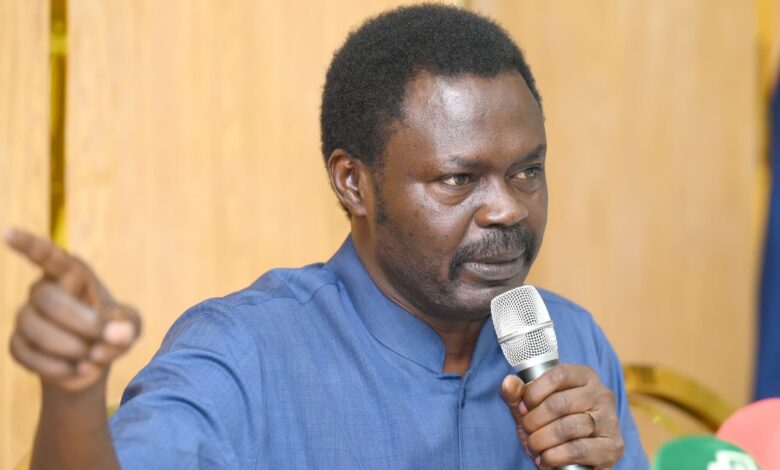
According to an episode of “The Story”, tensions within the Port Sudan camp are no longer simply differences over the war’s course or the timing of negotiations. Signs of competition have emerged among forces allied with the army, including crowds assembled to welcome Minni Arko Minnawi, his criticism of diplomatic efforts in New York and warnings that new armed groups could draw the Joint Forces into a confrontation different from the current war.
These developments matter because of the nature of the camp in which they are occurring. Forces allied with the army do not necessarily share objectives or priorities. Continued war can also create divergent interests concerning influence, the future of regions and the form of a political settlement. When disagreements accumulate without a clear political framework, competition for representation can become a struggle over power, resources and military decisions.
The episode says Minnawi, Darfur’s governor and a prominent armed movement leader, expressed frustration with the Port Sudan delegation’s diplomatic results in New York and warned that new militias could trigger a broader internal confrontation. Together, these positions suggest a camp in which the need to sustain a military alliance overlaps with fears that a future settlement might protect some parties’ interests at others’ expense.
Welcoming Crowds: A Show of Strength or Competition for Influence?
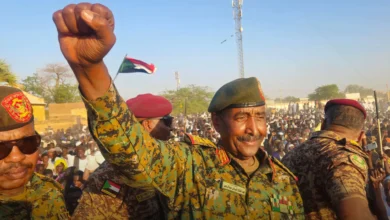
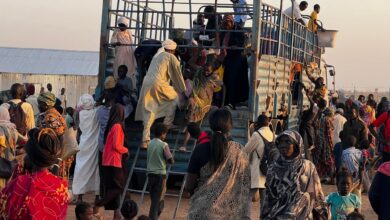
According to the transcript, the episode described Minnawi mobilising a Zaghawa tribal gathering and transporting displaced people by bus from camps in Merowe and Al-Dabba to the airport to welcome him. The programme portrayed this as an attempt to demonstrate his support and respond to other gatherings associated with formations such as the “Northern Shield” and Keikel’s alliance.
The details—including participant numbers, organisation and those overseeing the gathering—require independent verification. The account nevertheless raises a broader political question: why do popular and tribal gatherings become instruments of competition within a camp supposedly united against a common military opponent?
Where inclusive political institutions are weak, competing forces may display their social and tribal support to establish that they have a constituency that cannot be bypassed. Such activities are not necessarily limited to popular mobilisation. They may also apply pressure in negotiations over influence or signal that no future settlement can exclude the actor behind the gathering.
Using tribal identity to measure political strength carries substantial risks, particularly in a country exhausted by war, displacement and divisions. Crowds alone do not establish the scale of popular support, and citizens attending a political figure’s reception do not necessarily endorse every position or form a homogeneous political bloc.
The significance of the episode’s account therefore extends beyond the reception itself. It raises the possibility that competition within Port Sudan has reached a stage where allies seek to demonstrate mobilisation capacity rather than build a shared political mechanism defining roles, rights and responsibilities.
Minnawi’s Disappointment With the New York Efforts
The episode also reported that Minnawi acknowledged frustration with the Port Sudan delegation’s failure to achieve a diplomatic breakthrough or secure influential meetings with decision-makers in New York. According to the transcript, he attributed the outcome to what he described as conspiracies and negative roles played by certain countries.
If understood as his assessment, this reveals a gap between expectations of international engagement and achievable results. Travelling to international capitals or attending meetings alongside the General Assembly does not automatically secure access to decision-makers or acceptance of a delegation’s message.
Diplomatic outreach becomes harder when Sudan’s authorities have a contested international image and political efforts coincide with reports and criticism concerning the war and humanitarian crisis. Delegations then need clear positions on ending the fighting, civilian protection, humanitarian access and future governance rather than presenting only one side’s account.
Disappointment with a visit does not, however, independently prove an external conspiracy. Limited results may reflect differing international positions, a lack of consensus within the delegation or interlocutors’ rejection of its proposals. Without further details about requested meetings, contacts and responses, the causes cannot be precisely determined.
Nevertheless, Minnawi’s acknowledgement, as reported by the episode, carries political significance. A failed initiative may affect not only Port Sudan’s foreign relations, but also tensions within its camp, especially if some movements believe they did not obtain the representation or guarantees expected.
Disagreement Over Darfur and Fears of a Partial Settlement
The episode also presented concerns among some armed movements that the army and Islamic movement might be prepared to end the war after regaining areas such as Khartoum and Al-Jazira while leaving Darfur in a separate confrontation with the Rapid Support Forces. It linked this interpretation to Minnawi’s position and some movements’ fears of a settlement that would not meet their security and political demands.
This remains an interpretation of concerns presented by the programme, not proof of an actual agreement to abandon Darfur or leave it in open conflict. It nevertheless highlights a major challenge: can the war end comprehensively if some parties believe an agreement will protect certain regions while leaving others exposed to violence?
A political process that does not address conflict across all regions could temporarily stop fighting on one front while allowing it to continue elsewhere. Armed movements that consider themselves essential partners may also reject an agreement they see as reducing their role or disregarding the demands of communities they claim to represent.
At the same time, the number of armed actors and their demands complicates a comprehensive settlement. Agreement requires more than understandings among senior leaders. Security and political arrangements must define the future of armed formations, protect communities and create space for civilian institutions capable of managing disputes without weapons.
This dilemma demonstrates the danger of treating Sudan as separate fronts that can be resolved individually without a shared national vision. Stability in Khartoum alone does not guarantee stability in Darfur, and ending fighting in one region does not remove the causes of war elsewhere.
Warnings Against “New Militias”
Minnawi’s warning about new armed groups was among the clearest signs of internal tension discussed in the episode. According to the transcript, he suggested that formations such as the “Northern Shield” and what he described as tax-funded financing could push the Joint Forces into a new and different war.
The supplied material does not contain sufficient independent detail to assess these formations’ financing, command structures or deployment. The warning nevertheless raises a fundamental question about weapons proliferation outside regular institutions and whether new groups are being formed under a unified security plan or through competition among allies.
Each new armed formation adds an actor potentially possessing its own leadership, interests and calculations. Without clear command and accountability structures, such groups can become independent power centres rather than military mobilisation tools, making their behaviour harder to control and their integration into future security arrangements more difficult.
Opaque financing, if established, could also create disputes over resources, taxation and territorial control. In a country facing currency collapse, cash shortages and deteriorating services, diverting public resources into expanding armed formations would raise further questions about priorities and spending accountability.
Not every new armed group will necessarily provoke war between allies. Such formations nevertheless increase the risk of clashes when interests diverge or leaders disagree over ending the fighting. Weapons assembled against a common opponent can become a source of conflict without clear rules governing their distribution, use and post-war future.
An Alliance United by Its Opponent but Divided by Its Calculations
The episode’s themes reveal a difficult equation: a common opponent unites forces allied with the army, but does not guarantee agreement on future governance, influence or a settlement’s form. Differences may coexist during battles and emerge more sharply when negotiations begin or questions arise over who controls weapons, resources and political representation.
Competing gatherings, diplomatic disappointment and warnings about new armed formations indicate the need for a political framework governing relations within the camp rather than leaving them dependent on immediate power balances. An understanding based solely on confronting a shared enemy may collapse when territorial control changes or an agreement demands concessions.
The greatest danger is that this competition encourages the use of tribal identities or public resources to consolidate influence. Such a course could weaken settlement prospects, reproduce divisions that fuelled the war and turn political rivalry into armed confrontations that are difficult to contain.
Ultimately, Minnawi’s warnings matter not because they definitively announce a new internal war, but because they reveal fears that the conflict could spread to actors supposedly fighting on the same side. Between airport displays of strength, the search for a breakthrough in New York and disputes over armed formations, the Port Sudan camp faces an urgent question: can it establish a political and security understanding that preserves cohesion and prevents disagreements from erupting, or will the war become an arena for multiple conflicts extending beyond the original confrontation?