Scorched-Earth Warfare and Chemical Weapons Allegations: Is the Sudanese Army Facing Its Most Serious Accountability Test Since the War Began?
From bombardment and displacement to demands for access to suspected facilities, an African initiative links civilian protection to independent investigation and ending impunity
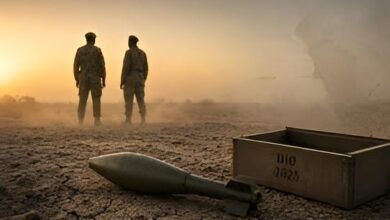
Human rights scrutiny of Sudan’s war is widening as allegations of chemical weapons use move to the forefront of African initiatives, amid continuing concerns about the scale of violations suffered by civilians since fighting erupted in April 2023. Between escalating military operations, a worsening humanitarian crisis and international demands for investigation and accountability, Sudan’s military leadership faces a highly sensitive case whose consequences could extend beyond the battlefield into legal and diplomatic processes.
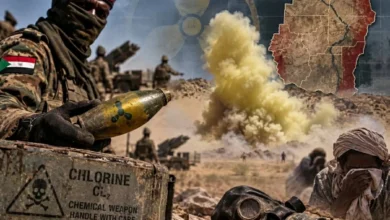
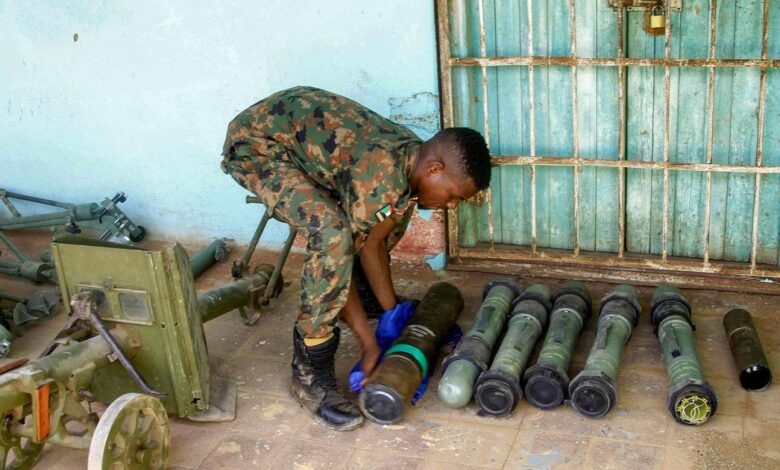
The latest development came from Dakar, Senegal’s capital, where the NGO Forum concluded with recommendations calling on the authorities in Port Sudan to cooperate with the Organisation for the Prohibition of Chemical Weapons, allow technical teams into Sudan, open suspected facilities and disclose any munitions or installations potentially connected to a chemical programme. The Forum also called for a comprehensive, independent and transparent investigation to assess the allegations against the evidence and recognised technical standards.
These demands matter because they connect the chemical weapons issue to the broader questions of civilian protection and accountability for violations. The consequences of Sudan’s war have extended beyond fighting between the army and the Rapid Support Forces to include the destruction of healthcare and educational infrastructure, mass displacement, spreading hunger and growing dangers for people in conflict-affected areas.
Serious Allegations Amid a Growing Record of Violations
The Dakar Forum’s resolution renewed attention to allegations that the Sudanese army used chemical weapons. Their gravity, and the international legal responsibility that could follow if they are established, require an independent technical investigation. The allegations cannot be treated as proven merely because they appear in human rights recommendations, nor can they be dismissed through political denials alone. The decisive factor remains evidence that can be collected and examined independently.
Within this framework, the Forum called on the Sudanese authorities to disclose any facilities associated with chemical weapons production, identify the locations of relevant munitions and enable the competent Organisation to verify them and supervise their destruction if their existence is established. These demands form the core of a process that could move the case beyond suspicion towards greater technical and legal clarity.
The case becomes more sensitive because it coincides with other allegations concerning the use of force in civilian areas, including air strikes, artillery bombardment and drone attacks. The Forum expressed concern about expanding military operations affecting populated areas, highlighting violations suffered by civilians in Darfur, Kordofan and elsewhere.
Multiple allegations do not, however, mean that all have been proven or that they rest on equally strong evidence. Each incident has its own circumstances and supporting material, and each accusation has specific verification requirements. Any serious accountability process must therefore combine documentation of violations, protection of evidence and precise identification of responsibility, without generalisations or prejudgements.
The Humanitarian Cost Calls for Broader Accountability
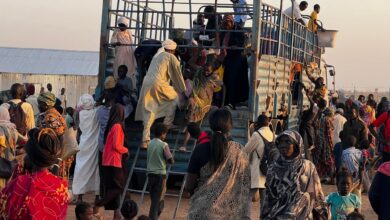
The Forum’s recommendations presented a bleak picture of humanitarian conditions in Sudan, citing approximately 16 million people displaced within the country and abroad, more than 20 million facing the threat of hunger and around 19 million children deprived of education, alongside extensive destruction of healthcare facilities in Khartoum and other areas.
These figures illustrate consequences that extend far beyond military front lines and affect the daily lives of millions of Sudanese. Civilians face bombardment, displacement and the loss of access to food and treatment, while institutions become less able to provide essential services and respond to growing needs.
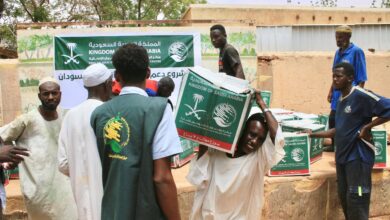
Under these circumstances, the call for a ceasefire under independent international monitoring is more than a political appeal. The Forum called for safe passage for civilians and guaranteed access to food, medicines and lifesaving assistance, reducing risks to the population and limiting the use of humanitarian needs as leverage during the war.
It also demanded an end to foreign interventions supporting the belligerents with weapons, funding and political and diplomatic cover. This reflects the belief that ending the war requires not only stopping the fighting on the ground, but also addressing the sources of support that sustain it.
Accountability Extends Beyond Chemical Weapons
The human rights framework set out in the Dakar recommendations covers extrajudicial executions, arbitrary arrest and detention, torture, enforced disappearance, sexual violence and ethnically motivated killings. The Forum also called for stronger African and international coordination to end impunity, and for the arrest and surrender of individuals wanted by the International Criminal Court in Darfur cases.
This approach places the chemical weapons issue within a wider framework of accountability for conflict-related crimes and violations. Addressing these allegations should not replace investigations into other incidents, just as attention to earlier crimes does not diminish the importance of investigating violations that may have occurred during the current war.
A distinction must be maintained between political responsibility and criminal responsibility. The former may concern the conduct of the war, cooperation with international institutions and responses to human rights demands. The latter requires evidence identifying the acts and those responsible, and establishing the legal elements necessary for accountability.
This distinction can strengthen the credibility of accountability efforts and prevent them from becoming collective judgements unsupported by reliable investigations. Responsibility must be established through evidence, whether the issue involves prohibited weapons, attacks on civilians or other violations covered by international law.
Al-Burhan Faces a Transparency Test
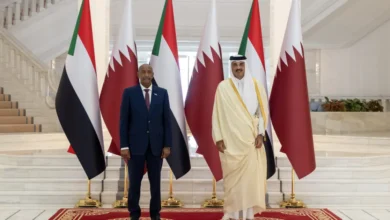
The African initiative tests Sudan’s military leadership’s willingness to cooperate with independent investigative mechanisms as the chemical weapons issue becomes part of African human rights organisations’ agenda. Opening suspected sites, providing relevant records and facilitating experts’ work could establish a basis for verifying the facts and assessing the allegations beyond political argument.
Conversely, allowing the case to remain unresolved without independent technical access could prolong uncertainty and expand human rights pressure. A lack of cooperation, if established, would not by itself prove chemical weapons use, just as cooperation would not necessarily rule out responsibility. Conclusions remain dependent on the evidence and investigative findings.
The position of the African Commission on Human and Peoples’ Rights will remain an important milestone, particularly if it formally adopts the Forum’s recommendations with clear demands concerning a chemical weapons investigation, a ceasefire, monitoring violations and holding those responsible accountable.
The Truth Is the Hardest Test
The significance of the Dakar initiative lies in its renewed examination of accountability for Sudan’s war from a perspective that goes beyond political competition between the parties. When prohibited weapons are alleged, denial is insufficient to close the case, and condemnation is insufficient to prove it. An independent investigation must establish the facts and responsibilities through evidence.
Sudan’s military leadership has an opportunity to demonstrate its willingness to address the case transparently, while African and international institutions have a responsibility to ensure the investigation’s integrity and independence. Civilians, who bear the war’s greatest cost, remain those most in need of effective mechanisms to prevent violations and end impunity.
Between the battlefronts and pressure from Dakar, the chemical weapons case appears to have entered a new phase of human rights scrutiny. The decisive question, however, will not be who succeeded in amplifying or denying the allegations, but whether the competent bodies can establish the truth, determine responsibility and turn human rights demands into measures that protect Sudanese people from further violations.