From Dakar to International Forums: Sudan’s Chemical Weapons Allegations Open a New Human Rights Front Against Army Leaders
African recommendations move beyond condemnation towards investigation and accountability, amid concerns that the crisis could expand from the battlefield into a wider diplomatic and legal confrontation
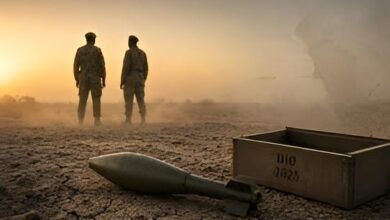
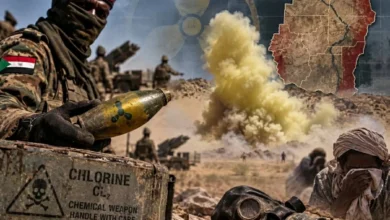
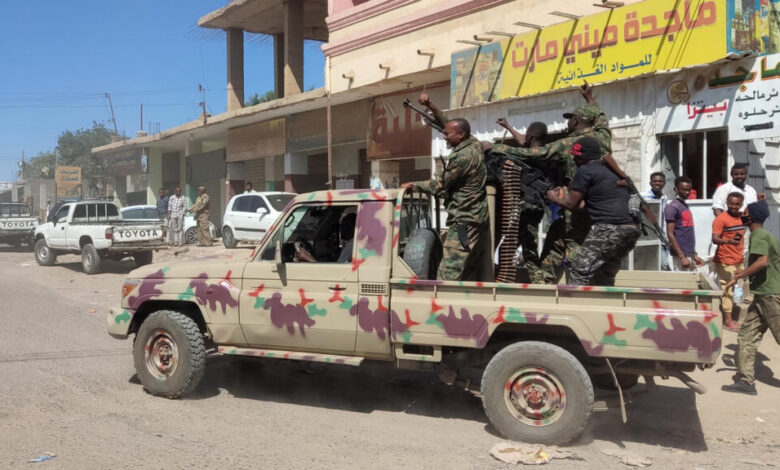
Sudan’s military leadership faces mounting pressure from human rights advocates as allegations of chemical weapons use move to the forefront of African discussions. This development could broaden international scrutiny of the conduct of the war that has continued since April 2023. The NGO Forum in Dakar issued recommendations calling on the authorities in Port Sudan to allow the Organisation for the Prohibition of Chemical Weapons to conduct an independent investigation, open suspected facilities and disclose any munitions or installations associated with a possible chemical programme.
The significance of this initiative extends beyond its demands to those who endorsed them and the context in which it emerged. It came from a broad gathering of African civil society organisations attended by approximately 400 representatives of human rights institutions from 37 countries. Its recommendations were subsequently submitted to the African Commission on Human and Peoples’ Rights. The case is therefore attracting attention beyond statements by Western governments or diplomatic confrontations surrounding Sudan’s war.
However, bringing these allegations onto Africa’s human rights agenda does not mean that responsibility has been established or that chemical weapons use has been conclusively proven. At this stage, the human rights process seeks to create the conditions needed to verify the facts and determine whether violations warranting accountability occurred. Cooperation with independent experts consequently becomes central to the next phase.
A Shift in the Pressure on Port Sudan
Throughout Sudan’s war, allegations of violations have overlapped with struggles over legitimacy, political representation and control of state institutions. The chemical weapons case nevertheless carries particular legal sensitivity because it concerns an international convention prohibiting these weapons and a specialised organisation with technical mechanisms for verifying compliance.
The Dakar recommendations therefore move the debate beyond conventional political argument. What is sought is not simply a position on the accusations, but permission to inspect suspected sites, access relevant information and cooperation with international investigative mechanisms. If undertaken independently and transparently, these steps could help establish the facts without the influence of political alignments.
Growing African attention could also increase the diplomatic cost of leaving the case unresolved. As more institutions call for a credible investigation, the need for a clear response becomes more pressing, particularly if civil society recommendations lead to official decisions or measures within the African Commission.
Sudan’s War Under Human Rights Scrutiny
The chemical weapons issue was not addressed separately from the other violations covered by the Forum’s recommendations. Participants called for an immediate ceasefire under independent international monitoring, safe passage for civilians and guaranteed access to food, medicine and humanitarian assistance. They also condemned violations attributed to both sides, including attacks on civilians, arbitrary detention, torture, sexual violence and ethnically motivated killings.
The recommendations described severely deteriorated humanitarian conditions, citing approximately 16 million people displaced within Sudan and abroad, more than 20 million facing the threat of hunger and around 19 million children deprived of education. These figures, as stated in the resolution, illustrate the war’s extensive impact on Sudanese society and the challenges confronting efforts to protect civilians and rebuild institutions.
In this context, investigating chemical weapons allegations forms part of a wider discussion about the nature of the war, the limits of force and the warring parties’ compliance with international law. The importance of that context does not remove the need to distinguish established violations from allegations that still require independent evidence.
From Political Responsibility to Legal Accountability
The Forum also called for stronger coordination between the African Union and the international community to end impunity, and for the arrest and surrender of individuals wanted by the International Criminal Court in Darfur cases. This demand takes the recommendations beyond documentation and condemnation by linking civilian protection to practical action concerning crimes within the jurisdiction of the relevant judicial bodies.
Legal accountability, however, cannot be achieved simply by making accusations. It requires identifying the facts and individuals concerned, gathering evidence and respecting legal safeguards. This is particularly important in the chemical weapons case, where establishing the use of a prohibited weapon, identifying the responsible party, and proving individual responsibility under the applicable legal standards are distinct steps.
The Forum also demanded an end to foreign interventions that contribute to the continuation of the war, including arms supplies, financing and political support for the belligerents. This position reflects an understanding that the crisis persists not only because of internal fighting, but also because support networks enable the parties to continue combat operations.
Will the Dakar Recommendations Become an Official African Decision?
A significant part of this process’s future depends on the African Commission on Human and Peoples’ Rights during its 89th Ordinary Session in Dakar, which runs until October 21, according to the information in the text. Official adoption of the Forum’s recommendations could give greater institutional momentum to demands for a chemical weapons investigation, a ceasefire and accountability, while enabling more consistent monitoring of implementation.
If the recommendations do not lead to practical measures, pressure may remain confined to human rights advocacy, with action by the competent institutions still needed. In every case, a decision’s value will be measured not only by the strength of its language, but by its ability to prompt verifiable steps from the parties concerned.
Sudan’s military leadership now faces a challenge beyond managing political messaging: addressing the allegations through cooperation with an independent investigation, or confronting continued controversy and expanding human rights demands. Responsibility for resolving the case does not rest with the authorities alone. International institutions must also ensure the investigation’s independence and professionalism and prevent it from becoming an instrument of political conflict.
Dakar has opened a new front in human rights advocacy concerning Sudan. The next phase will determine whether this initiative remains a civil society recommendation or develops into a broader African process aimed at establishing the truth and holding accountable those responsible for violations that are proven to have occurred.