Shiny Apples: Should You Be Concerned About the Wax Coating?
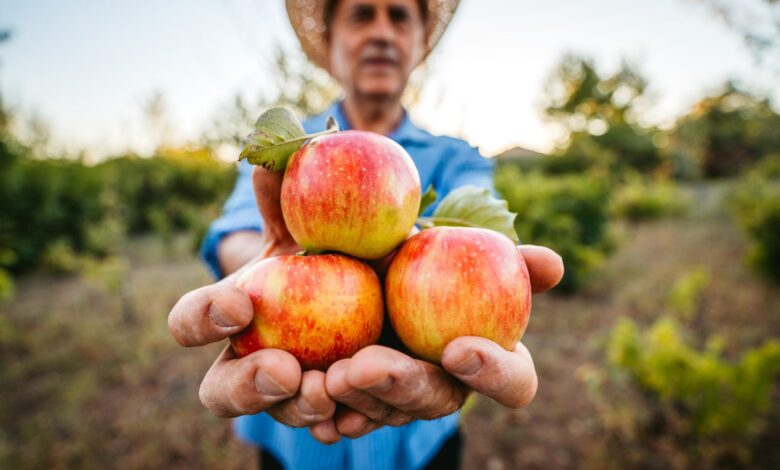
The glossy surface of an apple can raise questions among consumers. Some people worry that its shine indicates the presence of harmful chemicals or artificial substances. However, the waxy layer sometimes found on apples is not necessarily a cause for concern. It is important to distinguish between the natural wax produced by the fruit and food-grade coatings that may be applied after harvesting.
Understanding where this layer comes from and why it is used can help consumers assess potential concerns and adopt sensible habits before eating apples.
A natural protective layer on apple skin
Like many other fruits, apples have a thin protective covering on their surface. This layer, known as the cuticle, contains waxy substances that help reduce water loss and protect the fruit from certain external conditions.
This natural barrier helps preserve an apple’s firmness and quality. It can also give the fruit a slightly glossy appearance, even when no additional coating has been applied after harvesting.
The degree of shine varies according to the apple variety, maturity and growing conditions. A particularly shiny apple is therefore not automatically evidence of contamination or a dangerous treatment.
Why might wax be added after harvesting?
After harvesting, some apples may receive a food-grade coating to partially replace the natural wax lost during washing and handling. These coatings are used to help reduce moisture loss, maintain the fruit’s appearance and extend its shelf life.
Food coatings may contain different permitted substances, including certain food-grade waxes, depending on the applicable regulations. Their use must comply with relevant safety requirements and limits established by the appropriate authorities.
However, it should not be assumed that every apple sold in a store has received an additional coating. Practices vary depending on production and distribution methods.
Can the wax coating pose a health risk?
Permitted food-grade waxes are assessed under applicable food safety regulations. When used according to established conditions, they are generally not considered hazardous at typical levels of exposure.
Nevertheless, the term “wax” does not refer to a single substance. Formulations and uses can differ, and the glossy appearance of a fruit cannot, by itself, identify which substance may have been used or determine whether a particular coating is safe.
It is also important to distinguish wax coatings from pesticide residues or other contaminants that may be present on the skin. These are different substances and require separate assessments. A shiny apple does not necessarily contain more pesticide residues, just as a dull-looking apple is not guaranteed to be free of them.
Is rinsing enough to clean an apple properly?
Before eating an apple, it is advisable to rinse it thoroughly under clean running water while gently rubbing the surface with your hands. This helps remove dirt and some residues present on the fruit’s exterior.
Using soap, dishwashing liquid or household cleaning products is generally unnecessary. These products are not intended to be consumed and may leave unwanted residues.
Washing cannot eliminate every possible contaminant, but it is a simple and useful food hygiene measure. People who prefer to remove the skin can peel their apples, although this also reduces their intake of certain fibers and beneficial compounds concentrated in or near the peel.
How to choose and store apples safely
Shininess should not be the only factor when selecting apples. Look for firm fruit without visible mold or significant damage, and store it under suitable conditions to maintain its quality.
At home, handle apples with clean hands and rinse them shortly before eating. Refrigeration can slow ripening and help preserve freshness for longer.
Ultimately, the thin waxy layer found on some apples often serves a protective purpose and is not automatically harmful. The most sensible approach is to avoid judging food safety by appearance alone, wash fruit thoroughly before consumption and follow appropriate hygiene practices. An apple’s shine, on its own, cannot determine whether it poses a health risk.