FEMYSO and European Student Movements: From Declared Solidarity to Questions About Organisational Influence
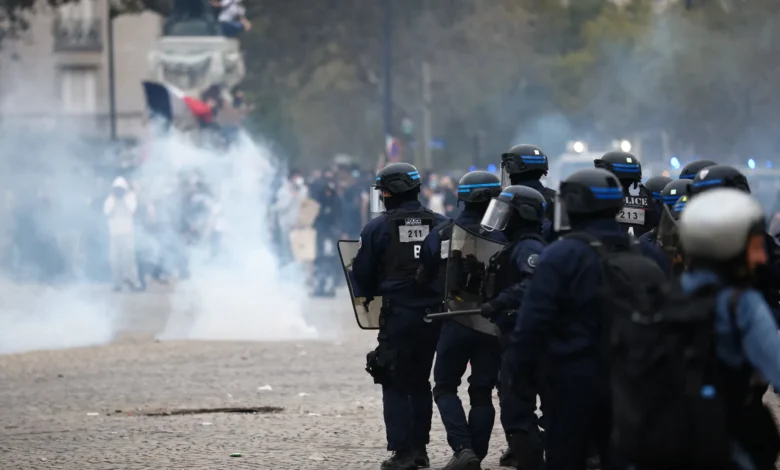
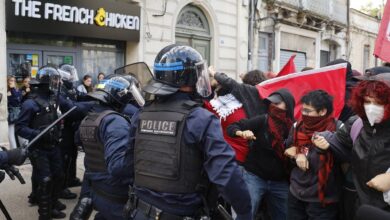
Statements issued by the Forum of European Muslim Youth and Student Organisations (FEMYSO) in October 2026 have reignited debate over the role of transnational youth networks in Europe’s political and social landscape, particularly when they express solidarity with student protests in several countries within a short period. On 9 October, the Forum announced its support for student movements in France and Belgium.
-
From France to Albania: FEMYSO’s Expanding Discourse of Student Solidarity
-
The French Arm: EMF Mobilises Cities Across the Country’s Heartland
On 18 October, it expressed solidarity with protesting students in Albania and addressed student demands concerning the cost of education and housing in Greece, as well as the housing crisis in Spain. Published on the Forum’s official website, the statements show a political and media presence extending beyond a single country and place the organisation within European debates on youth rights and social protests.
These positions are significant because FEMYSO is not a local association with a limited scope of activity, but a European network bringing together Muslim youth and student organisations in several countries. The Forum describes itself as a platform for representing young Muslims and promoting their civic and political participation. It also says it maintains relationships with European and international institutions. Organisationally, this reach allows it to bring local associations’ positions into a common European discourse and coordinate its communications on education, discrimination and participation in society. That reach does not, in itself, establish that the protests are under centralised political direction. It does, however, warrant an examination of relations among member organisations, decision-making procedures and the limits of their coordination.
-
The Battle for Universities: Nation-State Security and Transnational Networks
-
Student Protests in Europe: Where Does Solidarity End and Coordination Begin?
These questions become more sensitive when considered in the context of the ongoing debate about links between some European Muslim networks and the Muslim Brotherhood. European research bodies have published reports discussing what they describe as connections between FEMYSO and networks associated with the Brotherhood. The organisation denies the allegations and describes them as attempts to undermine its work. The matter cannot therefore be treated as settled merely because the accusation circulates. It requires an examination of documents, overlapping memberships, funding and administrative relationships, while distinguishing research assessments from court judgments and binding official findings.
In this context, the close timing of the statements raises a legitimate question about how the Forum selects the causes it supports and whether a common strategy shapes its European messaging. Are these positions responses to existing student demands, or are they part of a broader policy to build a lasting political presence within European societies? The dates alone cannot answer that question. Doing so requires comparing the statements with the positions of member organisations, examining available meeting records and published decisions, and determining whether common planning and coordination mechanisms exist.
-
Implementing the European Parliament’s Resolution on the Muslim Brotherhood Requires Financial and Judicial Oversight and Clear Standards for Institutional Participation
-
The European Parliament Steps Up Action Against Muslim Brotherhood Influence and Opens the Door to a Review of Institutional and Financial Relationships
It is also important not to treat student protests as a uniform movement. The demonstrations in France and Belgium were linked to demands concerning educational conditions and funding. The statement on Albania addressed corruption, accountability and violence against protesters, while also referring to education and housing costs in Greece and the housing crisis in Spain. The differences between these issues reflect varied local circumstances, even when they are brought together under a common expression of European solidarity.
The central question, then, is not simply that FEMYSO issued successive statements, but what role it actually plays in European civil society. If the Forum confines itself to expressing solidarity and defending the right to peaceful protest, it should be assessed on the content of its positions and its practices. If independent documents were to reveal political coordination or organisational direction beyond the solidarity it declares, it would be legitimate to examine that evidence. Between these possibilities, transparency remains the decisive standard, including transparency about funding sources, decision-making mechanisms, relationships with member organisations and the scope of political activity.
-
European Resolution on the Muslim Brotherhood Tests the Implementation of Transparency and Democratic Safeguards
-
Modern Diplomacy: The Muslim Brotherhood Faces a New Challenge Between National Security and Freedom of Association
European institutions also need a clear approach: they should neither grant any network immunity because of its rights-based message nor condemn it because of its religious identity or circulating allegations. Freedom of association and the right to protest are fundamental rights, but they do not prevent scrutiny of funding or political intervention if reliable evidence emerges. Monitoring FEMYSO’s activities in October 2026 therefore offers a way to understand the relationship between transnational youth networks and social protests; it does not constitute conclusive evidence of hidden leadership behind those movements.
-
EU Reporter: European Alerts Intensify over Muslim Brotherhood Networks and Their Funding Sources
-
Le Pont de Genève : l’Europe ouvre le dossier des réseaux des Frères musulmans et de leur influence politique
-
Universities and Grants: Europe Mobilises to Curb Muslim Brotherhood Influence in Educational Institutions
-
Muslim Brotherhood Funds and Influence Networks: al-Tamimi and Abu Daya at the Heart of the European Network
-
The Brotherhood’s soft face in Germany: What is the “CLAIM” alliance?
-
The Muslim Brotherhood in France Practices Judicial Terrorism