How Do the Houthis Lure Yemen’s Children from Indoctrination to the Front Lines?
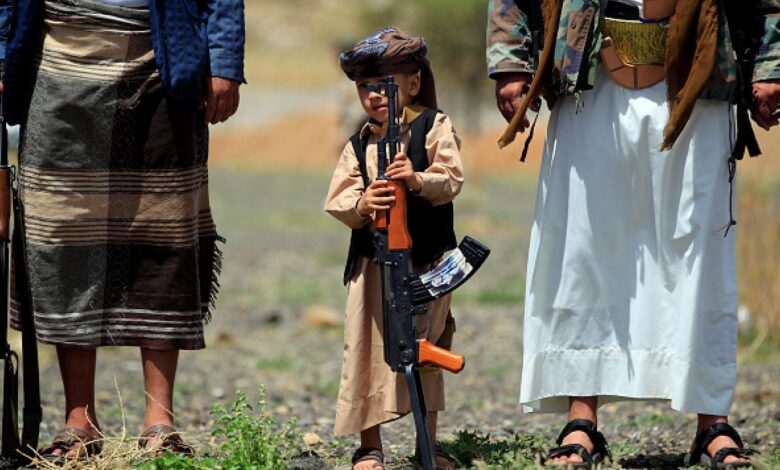
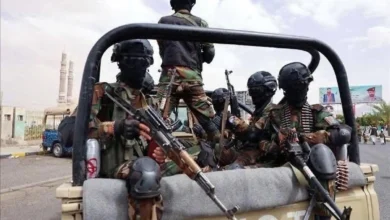
Recruitment methods combine ideological and religious indoctrination, exploitation of families’ economic hardship, financial incentives and direct recruitment.
A Yemeni human rights report traces the pathways through which the Houthis recruit children, beginning in homes, schools and cultural activities before progressing to camps, military training, guard duties, combat and captivity. It documents 222 cases of children whose records indicate that they were recruited and killed during the third quarter of 2026 across 16 Yemeni governorates.
Published on Thursday by SAM for Rights and Liberties, the findings renew attention to the practice amid the continuing conflict and its consequences for children, whose exposure to danger does not necessarily end when they leave the front lines.
In its report, titled “From Home to the Front”, the organisation says available age data show that 69 children were between 12 and 14, while another 78 were between 15 and 17. It could not establish the ages of 75 children. SAM stresses, however, that these figures are partial and preliminary and do not represent the total number of children recruited. The documented cases are limited to children whose records indicate that they were killed and do not necessarily include those still alive or currently in camps and on the front lines.
The findings align with earlier human rights and UN reports documenting the practice throughout the conflict. Since 2015, the United Nations has verified thousands of cases of child recruitment and use in Yemen. Other human rights reports have documented higher figures over different periods and using different criteria. The continued emergence of new cases shows that the practice remains a serious child protection challenge despite international warnings and commitments.
Field findings shed light on recruitment methods. In Al-Marbak village, in Al-Tiyal district of Sanaa governorate, the organisation documented five cases involving children aged 13 to 15 between the beginning of September and October 16. It reported that three were taken from Qaa al-Sabla and Khalid ibn al-Walid schools, while two others were transferred from a local premises in the village.
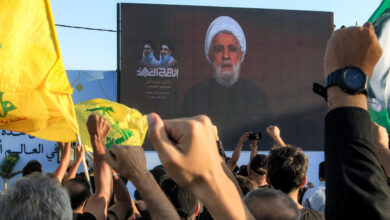
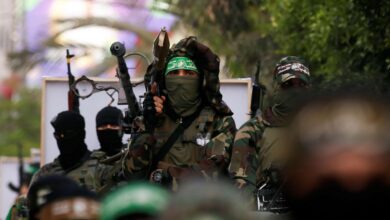
Recruitment methods extend beyond financial incentives and direct approaches. They also involve ideological and religious indoctrination and exploitation of families’ economic circumstances. Children described local supervisors presenting combat as a religious duty, alongside promises of financial assistance for their families. Others recounted moving from lessons and cultural courses into training camps.
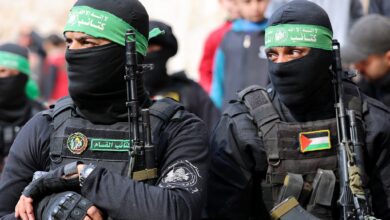
One account came from a child whose father took him to a camp when he was 13. He reportedly spent around 55 days there, receiving training in rifle handling, shooting and physical exercise, alongside religious and political lectures, before being sent to forward positions.
These accounts are consistent with other reports of renewed child recruitment alongside escalating hostilities in Yemen. In an article published earlier this month, Yemen Monitor, citing the Irada organisation against torture and enforced disappearance, reported that more than 461,000 children attended Houthi-run summer centres between January and the end of September 2026. Irada estimated that approximately 62,700 children had been recruited through these centres, saying tens of thousands were transferred to training camps and sites associated with military operations.
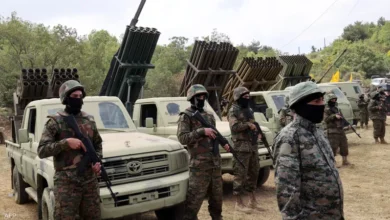
The UN Panel of Experts’ report on Yemen, published in October 2025, described Houthi child recruitment as a multilayered system using formal and informal channels, including the Ministry of Education, summer centres and Quranic schools. It noted that young children were exposed to indoctrination, that financial incentives and pressure were applied to families, and that some children were sent for military training before being assigned combat and support duties, including guarding positions, transporting ammunition and working at checkpoints.
The risks do not end when children reach the front lines. SAM’s report describes children being injured, killed and detained, alongside accounts of beatings, threats, humiliation and poor detention conditions.
It also includes testimony about psychological effects, including fear, anxiety, nightmares and difficulties returning to family life and education.
The warnings coincide with renewed UN concern. The Secretary-General’s Special Representative for Children and Armed Conflict, Vanessa Frazier, warned that escalating hostilities in Yemen were exposing children to grave violations. She said the United Nations had documented more than 60 grave violations against children since September 3. She called on all parties to end the recruitment and use of children, release those in armed groups’ ranks, and support their reintegration into society.