Leave Us Alone, al-Burhan: Sudanese Anger Grows Amid Weapons Allegations and Continuing War
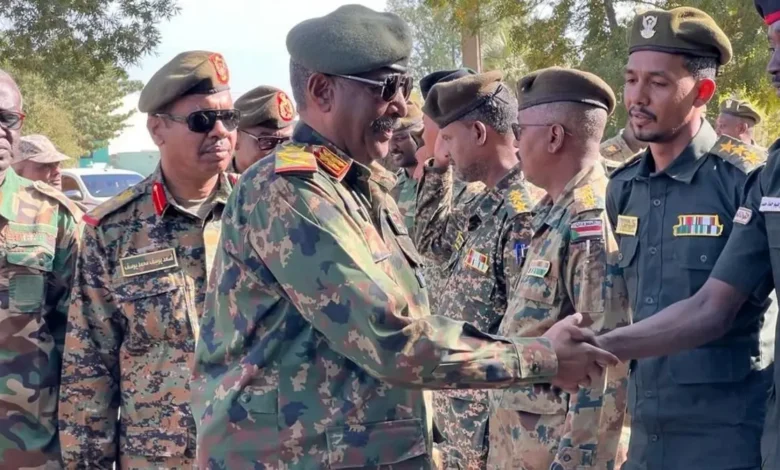
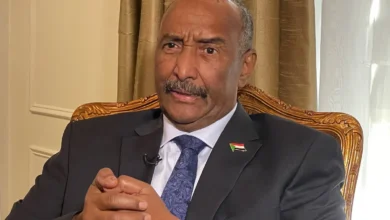
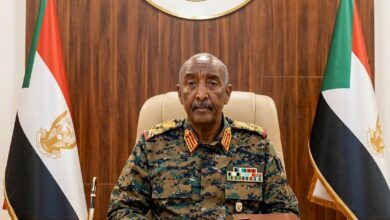
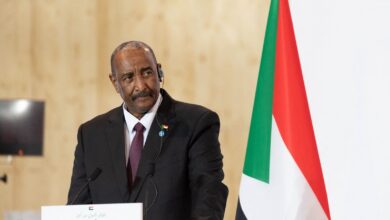
“Ikhtana ya Burhan” has become one of the most prominent protest messages circulating among Sudanese activists on social media. It comes as criticism of army chief Abdel Fattah al-Burhan intensifies over the continuing war, the worsening humanitarian catastrophe, and mounting questions about military operations and the weapons being used. Launched in October 2026, the campaign has become more than a passing wave of online anger. It reflects a crisis of political trust extending beyond the battlefield and raises fundamental questions about the future of government, the exercise of power and the leadership’s responsibility for the fate of millions of Sudanese people.
In Sudanese Arabic, “ikhtana” means “leave us alone” or “stay away from us”. Adding al-Burhan’s name gives the phrase an explicit political meaning: it calls on the army chief to step aside and make room for a different political course. The hashtag gained momentum from October 22, ahead of the fifth anniversary of the October 25, 2021 coup, which ended the civilian-military partnership and ushered in another period of political instability before war broke out between the army and the Rapid Support Forces in April 2023.
From Opposing the War to Holding the Leadership Accountable
The campaign is distinctive because it does more than reject the war. It places the army leadership at the centre of the debate over responsibility for its continuation. Participants link the leadership’s military and political decisions to deteriorating economic and social conditions, expanding displacement, declining basic services and the collapse of large sections of economic activity.
For those promoting the message, promises of a decisive military victory no longer justify continued fighting, particularly as the war drains the state’s capacity and subjects society to unprecedented suffering. People who have lost their homes, livelihoods or family members are less concerned with repeated military statements than with finding a safe way back to normal life.
These criticisms reflect a shift in Sudan’s public debate. Discussions once focused on the military balance of power now also question the purpose of continued combat, the leadership’s ability to offer a political route out of war, and responsibility for stalled settlements.
The hashtag alone cannot represent the views of all Sudanese people, given the deep divisions created by the war. It does, however, indicate that civilian and activist voices are demanding a reassessment of military rule and accountability from its leadership.
Heavy Weapons: Civilian Protection as the Real Test
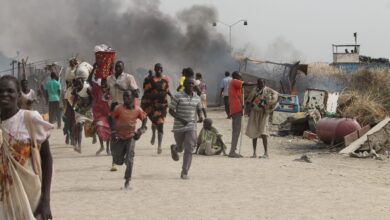
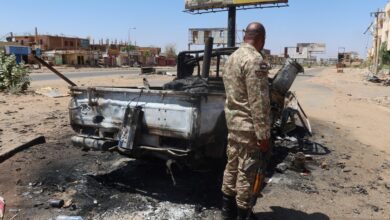
Alongside political anger, debate is intensifying over the use of heavy weapons, combat aircraft and drones in Sudan’s war, particularly as reports of civilian casualties from attacks on populated areas, markets and civilian facilities increase.
This issue does not concern the army alone. International and human rights reports indicate that both parties have used explosive weapons in civilian areas and document serious violations of international humanitarian law. That does not diminish either side’s responsibility for its own operations or relieve the military leadership of its duty to investigate attacks attributed to its forces.
In a report published in late October 2026, the Associated Press said the Emergency Lawyers organisation had accused the army of conducting a drone strike on a crowded market in Nyala, South Darfur. According to the organisation’s estimates, more than 100 people were killed and 113 injured. Médecins Sans Frontières separately reported receiving 36 bodies and treating approximately 150 injured people. These figures and details remain attributed to the organisations that supplied them. The incident requires an independent investigation to establish its circumstances and responsibility.
The attack raises a fundamental question about the limits of military force. The presence of a military objective in an area does not permit any armed force to disregard its obligations concerning distinction, proportionality and precautions to protect civilians. Describing an attack as a military operation does not, by itself, justify its consequences; its details must undergo independent legal scrutiny.
Chemical Weapons Allegations: International Questions for the Leadership
Allegations that the army used chemical weapons are among the most sensitive issues in Sudan’s war. Denied by the government, they returned to prominence in September 2026 after international journalistic investigations examined documents, correspondence and videos said to indicate a secret military programme involving such weapons.
On September 5, The Washington Post published an investigation based on documents, messages and videos that it said revealed indications of a chemical munitions stockpile and the possible diversion of chlorine shipments intended for water treatment to military uses. It also cited correspondence attributed to military officials discussing the manufacture of munitions containing choking agents.
The newspaper noted, however, that definitive verification of the programme’s nature, the size of the stockpile and what was actually used would require access to suspected sites, witnesses and physical evidence. The Sudanese government denied the allegations, said chlorine stocks were intended for civilian and industrial purposes, and announced its willingness to have them verified by a competent international body.
On September 9, Euronews published an investigation drawing on a report prepared by former Organisation for the Prohibition of Chemical Weapons officials. It described testimony from eight Sudanese people and digital material associated with military incidents during 2024 and 2025. According to the report, experts identified consistent and credible indicators warranting further investigation, but could not establish the chemical’s identity or conclusively determine its use.
The seriousness of these allegations means they cannot be ignored. Nor should they become definitive judgments before investigations are complete. An independent international inquiry is needed to examine the evidence, interview witnesses, access relevant sites and determine whether the Chemical Weapons Convention has been violated.
Al-Burhan Between Promises of Victory and Demands to End the War
Al-Burhan remains committed to confronting the Rapid Support Forces and restoring state authority. His critics argue that continued reliance on a military solution provides no meaningful guarantee of ending the war or rebuilding institutions. Between these positions, Sudanese people face collapsing services, shrinking employment opportunities, and expanding humanitarian needs.
International reports have documented the scale of damage caused by explosive weapons and drones. In its September 2026 report, the UN fact-finding mission said external support and military technology had strengthened both sides’ ability to carry out long-range attacks. It also reported that drone attacks caused large numbers of casualties during the early months of the year.
Here, the campaign’s demands intersect with a broader political question: Can the war end without reassessing the structure of military power and restoring the role of civilian institutions? Those participating in the hashtag see the current leadership’s continued presence as an obstacle to civilian transition, while army supporters argue that confronting the Rapid Support Forces and restoring national unity must take priority.
The crisis cannot be reduced to this disagreement alone. Even a change in leadership would leave highly complex issues unresolved, including the future of the armed forces, ceasefire arrangements, disarmament, transitional justice and reconstruction of affected areas.
“Leave Us Alone, al-Burhan”: Beyond the Slogan
The hashtag’s political significance lies in its reassertion of citizens’ right to hold military leaders accountable and demand answers about the consequences of decisions taken over recent years. Calling for a leader to step down through peaceful protest is part of political debate and should not be confused with incitement to violence or attacks on state institutions.
The campaign’s ability to bring meaningful change nevertheless depends on translating its message into clear political demands: ending the war, protecting civilians, enabling independent investigations and returning power to civilian institutions with constitutional legitimacy.
Sudan needs less another confrontation between competing slogans than a process that stops the bloodshed and gives its citizens a chance to reclaim their state. As the war continues and questions about weapons use and responsibility for violations multiply, “Ikhtana ya Burhan” captures a protest movement confronting the leadership with a political and moral test: How can a war with mounting losses be justified while peace remains a distant prospect?