Sleep and Mental Health: Can Better Rest Help Relieve Anxiety and Depression?
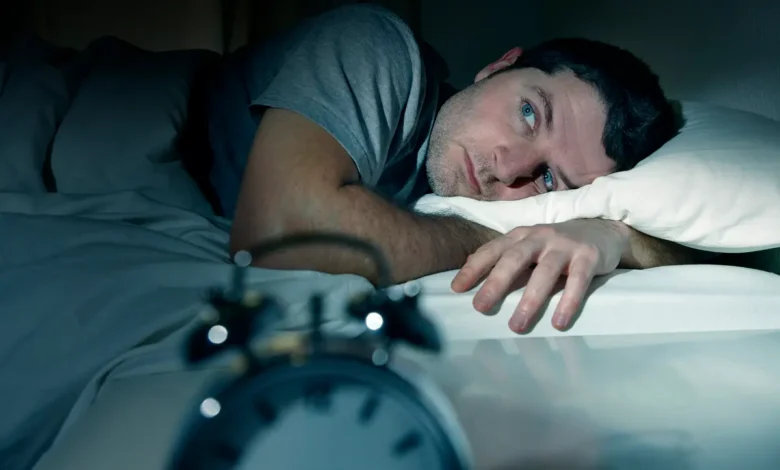
Sleep plays an essential role in maintaining physical and mental health. Far more than a period of rest, it helps regulate emotions, process daily experiences and support brain mechanisms involved in managing stress.
Research has consistently highlighted a close relationship between sleep quality and psychological well-being. Insufficient or disrupted sleep can intensify anxiety, contribute to mood fluctuations and play a role in the development or worsening of depressive symptoms. Conversely, improving sleep habits may have beneficial effects on emotional health.
But can sleep genuinely help relieve anxiety and depression? The answer is more complex than it may seem.
How does sleep help the brain regulate emotions?
During sleep, the brain does not simply shut down. It continues to perform several essential processes, including memory consolidation, emotional information processing and the regulation of certain neural activities.
Quality sleep helps people cope with stressful experiences and maintain emotional balance. When sleep is insufficient, certain brain regions involved in emotional responses may become more reactive, while the mechanisms responsible for controlling those reactions may become less effective.
This disruption can make everyday situations more difficult to manage, intensify negative thoughts and increase sensitivity to stress.
Sleep deprivation can intensify anxiety
People who sleep poorly or not long enough may become more sensitive to stressful situations. Sleep deprivation can increase vigilance toward potential threats, strengthen emotional reactions, and make it harder to step back from worrying thoughts.
A vicious cycle may then develop: anxiety interferes with sleep, while restless nights increase worry and emotional tension during the day.
Difficulty falling asleep, frequent nighttime awakenings and non-restorative sleep can therefore become factors that maintain or worsen anxiety symptoms.
Can better sleep reduce depressive symptoms?
Sleep disturbances are among the common symptoms of depression. Some people experience insomnia, while others have an excessive need for sleep. In both cases, sleep patterns and emotional well-being may be closely connected.
Improving sleep may help reduce certain depressive symptoms, including fatigue, irritability, concentration difficulties and emotional disturbances.
Therapeutic approaches targeting insomnia, such as cognitive behavioral therapy for insomnia (CBT-I), have demonstrated benefits for sleep and may also contribute to improvements in certain psychological symptoms.
However, better sleep alone is not necessarily sufficient to treat depression. Depending on its severity and the individual’s needs, depression may require psychological treatment, medical care or a combination of both.
Why is the biological clock so important?
The body operates according to an internal biological clock that regulates the sleep-wake cycle, body temperature and the release of several hormones.
When sleep schedules become irregular, exposure to natural light is insufficient or nights are frequently shortened, this rhythm may become disrupted.
These disturbances can affect energy levels, mood, and concentration. Maintaining relatively consistent sleep schedules and getting exposure to daylight, particularly in the morning, may help stabilize the circadian rhythm and promote better sleep.
Habits that promote restorative sleep
Several simple lifestyle changes can help improve sleep quality and support psychological well-being.
- Maintain a consistent schedule: Going to bed and waking up at relatively consistent times helps stabilize the biological clock.
- Reduce stimulants in the evening: Caffeine can delay sleep onset and disrupt sleep, even when consumed several hours earlier.
- Create a sleep-friendly environment: A quiet, dark bedroom with a comfortable temperature can make falling asleep easier.
- Limit screen use before bedtime: Stimulating activities and exposure to light may delay the transition to sleep.
- Engage in regular physical activity: Exercise supports overall well-being and may promote better sleep.
- Learn to manage stress: Slow breathing, relaxation techniques, and meditation may help reduce tension before bedtime.
These habits do not replace treatment when psychological disorders are present, but they can provide meaningful support in everyday life.
When should you seek professional help?
Persistent sleep difficulties, significant anxiety, or prolonged sadness should not be dismissed as temporary problems.
When symptoms interfere with daily activities, social relationships, or quality of life, consulting a healthcare professional is recommended. Appropriate treatment can help identify potential causes and provide effective solutions.
If someone experiences suicidal thoughts or faces immediate danger, urgent help should be sought from emergency services or a trusted healthcare professional.
Sleep: a valuable ally, but not a universal cure
Sleep and mental health have a bidirectional relationship: psychological difficulties can disrupt sleep, while sleep problems can worsen emotional distress.
Improving sleep quality may therefore be an important step in preventing and managing certain anxiety and depressive symptoms. However, sleep alone is not a universal treatment.
Taking care of sleep, recognizing signs of psychological distress, and seeking appropriate support are complementary steps toward maintaining long-term mental well-being.