End to US Funding Deepens Israel’s Defence Budget and Ammunition Shortfalls
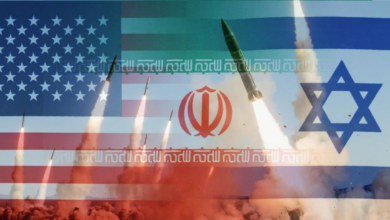
The implications of the US decision extend beyond Israel’s budget to fighter jet purchases and ammunition replenishment, raising questions about the future of the security partnership between Washington and Tel Aviv.
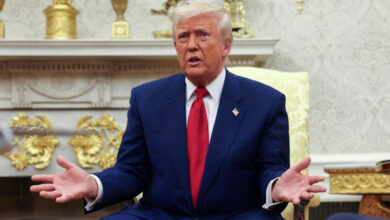
President Donald Trump’s announcement that US security assistance to Israel will end by the close of this year has triggered widespread concern within Israel’s security and financial establishments. Officials have warned of consequences for the defence budget and arms contracts as the Israeli military faces growing challenges in rebuilding its stockpiles and replacing equipment and ammunition consumed during years of war.
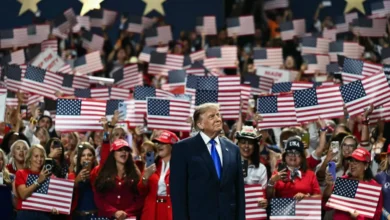
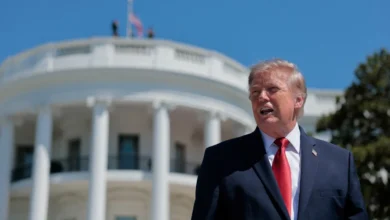
The announcement caught Israeli officials by surprise. Speaking to Fox News on Tuesday, Trump said Washington would no longer provide financial assistance to Israel under the current arrangement, worth approximately $4 billion annually. He said Prime Minister Benjamin Netanyahu had agreed to end the assistance because Israel had become a successful country capable of doing without it.
According to Israel’s public broadcaster, ending the assistance would deprive the Defence Ministry of approximately 12 billion shekels a year. The government would have to find that amount in the state budget, placing additional pressure on public finances already strained by military spending.
The broadcaster quoted a senior security official as saying the announcement had not been expected, particularly at this time. The official said discussions with the United States were continuing and that the relevant professional bodies had yet to receive formal details about the decision or its implications.
The surprise came despite an Israeli Defence Ministry delegation visiting Alabama on October 20 for discussions with officials responsible for security assistance about upcoming military procurement plans.
Israel’s Channel 12 reported that the Finance Ministry had received no advance notice of the decision, although annual US assistance of $3.8 billion had been included among the funding sources for the 2027 and 2028 defence budgets. Officials are trying to determine whether Trump’s announcement means a complete halt to transfers at the end of the year or signals a gradual change in the two countries’ security cooperation model.
Attention is also turning to the future of the strategic agreement signed in 2016 under President Barack Obama, which provides Israel with $3.8 billion annually through 2028. The two sides began negotiations last May on a new framework for security cooperation over the following decade. Trump’s announcement, however, raises questions about those talks and existing commitments.
Israeli concerns centre particularly on arms contracts already signed and plans to purchase new fighter jets. Channel 12 cited officials familiar with the matter questioning how these acquisitions would be financed and in which currency they would be paid. They warned that replacing the US assistance could require approximately 15 billion shekels annually.
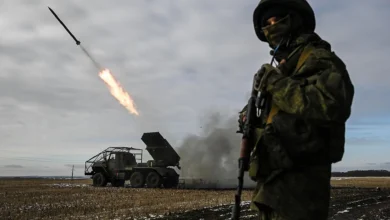
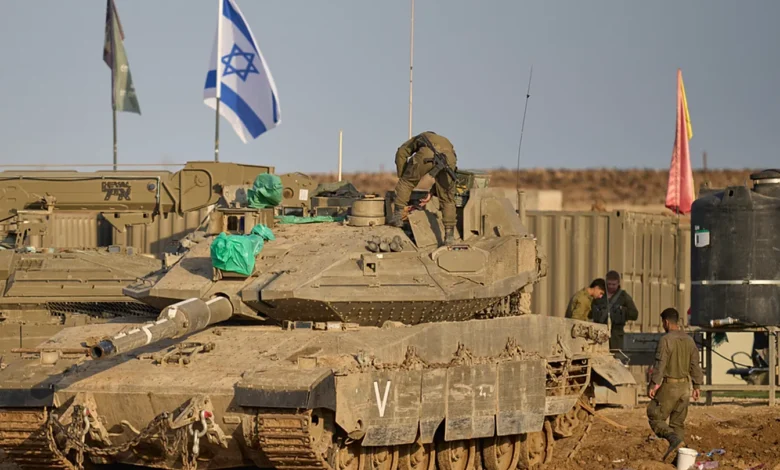
These concerns come against a backdrop of military wear and depletion after years of war. According to the newspaper Maariv, the Israeli Air Force logged as many flight hours over the past three years as it would normally record in nine years of peacetime operations. Tanks and armoured personnel carriers have worn through thousands of engines, while ammunition expenditure has reached levels comparable to the military’s consumption over the three decades preceding the war.
Israel therefore faces a dual challenge: financing the rebuilding of its military stockpiles and securing its future weapons and equipment requirements, while potentially losing one of the most important funding sources for its defence purchases.
Trump’s announcement also reopens debate within Israel over its ability to reduce military and financial dependence on Washington, an objective Netanyahu discussed earlier this year. Translating political statements into practice remains considerably more complex, however, given the links between Israel’s weapons systems, American funding and bilateral technical and military cooperation.
The decision carries added significance because it coincides with the congressional midterm elections, in which Democrats are seeking to take the majority from Republicans in at least one chamber. Its consequences will extend beyond electoral calculations, potentially reshaping the US–Israeli security partnership in the coming years and forcing Tel Aviv to reorder its defence spending priorities while the possibility of regional escalation remains.