Lebanon’s defence minister warns against incitement targeting army leadership
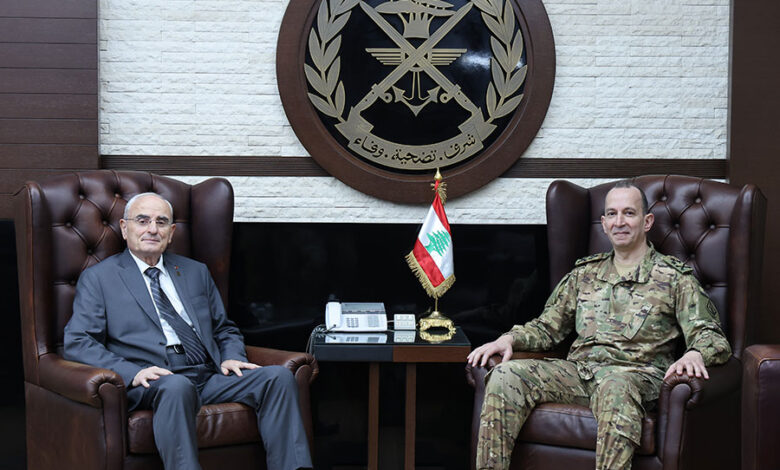
Michel Menassa says the Lebanese army abides by the executive authorities’ political decisions and the president’s directives, delivering a firm message to Hezbollah.
Lebanese Defence Minister Michel Menassa warned on Tuesday against incitement targeting the army’s leadership, reaffirming the military’s commitment to decisions issued by the executive authorities. His remarks send a message to Hezbollah and its allies amid mounting disagreements over placing all weapons under state control and the army’s role in implementing government policy.
In a statement issued by his office, Menassa said: “The army abides by the political decisions of the executive authorities and the directives of the president of the republic, the commander-in-chief of the armed forces”. He added that “the responsibilities of the national military institution require taking its capabilities and resources into account, preserving the morale of its officers and personnel, and maintaining its unity”.
The minister’s comments responded to criticism directed at the army leadership in recent days, including questions about its compliance with government decisions and whether army commander Rodolphe Haykal should remain in office. Menassa’s reaffirmation of the military leadership’s authority, however, also appears directed at actors refusing to place their weapons and security decisions under state authority, foremost among them Hezbollah.
Clarifying the relationship between political decision-making and military implementation, the statement said: “The Council of Ministers’ powers are confined to decisions concerning general defence and security policy, while military orders and instructions remain within the authority and responsibilities of the army command”. This distinction seeks to separate the government’s responsibility for setting security and defence policy from the command’s authority to determine how it is implemented, according to conditions on the ground and available resources.
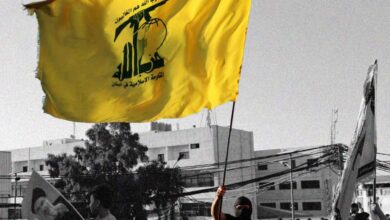
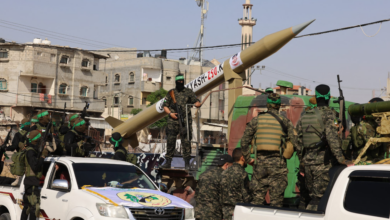
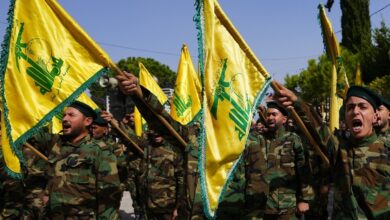
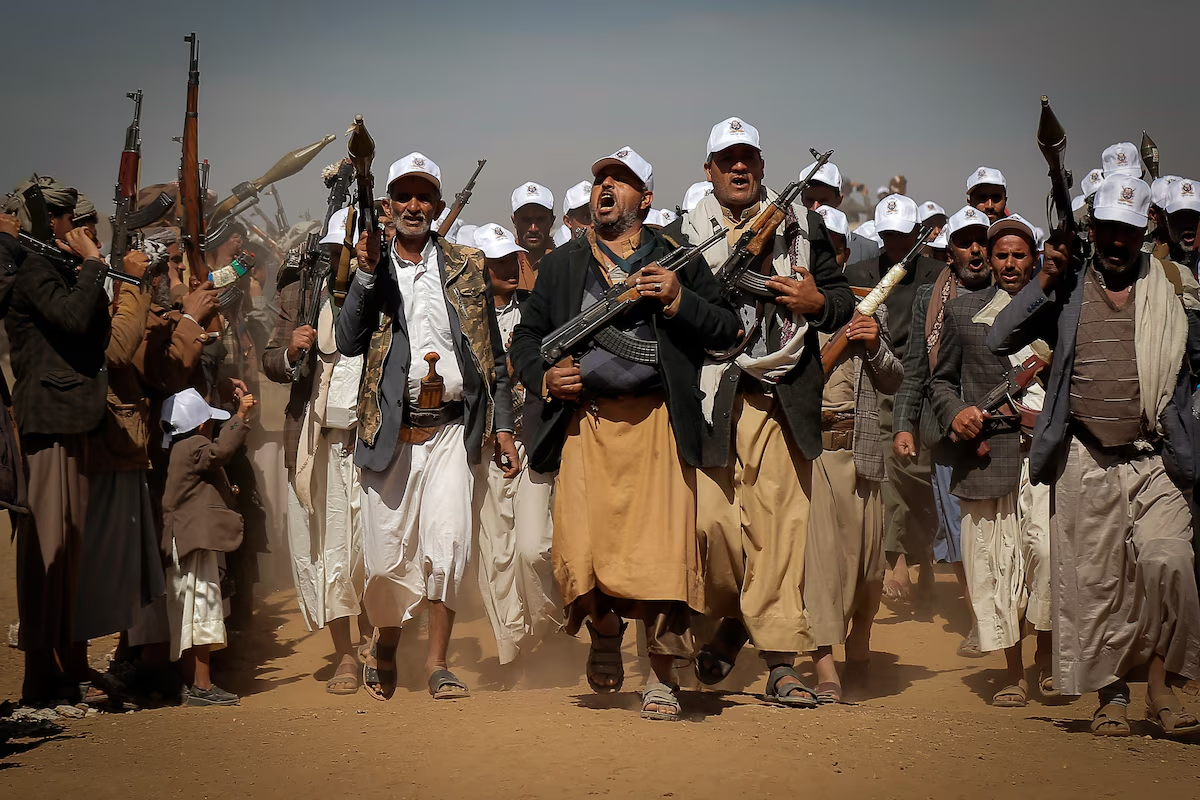
The statement coincided with the government tasking the army with preparing a plan to place weapons exclusively under the control of official institutions, putting Hezbollah’s arsenal at the centre of the political confrontation. Hezbollah Secretary-General Naim Qassem had rejected disarmament proposals, arguing that such a decision could not be imposed through external dictates. He also warned of the consequences of relinquishing weapons while Israeli threats persisted.
The issue is particularly sensitive in southern Lebanon, where the army is seeking to expand its deployment into areas vacated by Israeli forces and restore the state’s presence in towns long under Hezbollah’s military influence. During earlier phases, army units entered areas evacuated by Israel under arrangements intended to enable them to take over positions and reassert the authority of official institutions.
This process raises the possibility of friction on the ground between the Lebanese army and Hezbollah members, particularly if military duties require searching sites, confiscating weapons or preventing armed movements outside state control. This does not mean a confrontation is imminent, but it highlights the difficulty of implementing government decisions in areas where security, political and sectarian considerations overlap.
Against this backdrop, Menassa said “the army’s primary mission is to defend Lebanon’s territory, people and institutions, protect national unity, civil peace and domestic stability, and confront any breach of security or attempt to foment strife”. He also described the army as “the institution that brings the Lebanese people together”, stressing “the need to avoid subjecting it to pressure or dishonouring its sacrifices and the blood shed by its fallen personnel”.
These positions reflect an effort to draw clear boundaries between the military institution and armed forces operating outside it, while avoiding an internal confrontation that could threaten the army’s cohesion. Beirut’s challenge extends beyond issuing decisions to implementing them, as Israel maintains a presence in parts of the south and Lebanese opinion remains divided over Hezbollah’s weapons and its future role.