On Naim Qassem’s Orders, Hezbollah Refuses to Hand Over Dahr al-Baydar Suspects and Threatens Confrontation
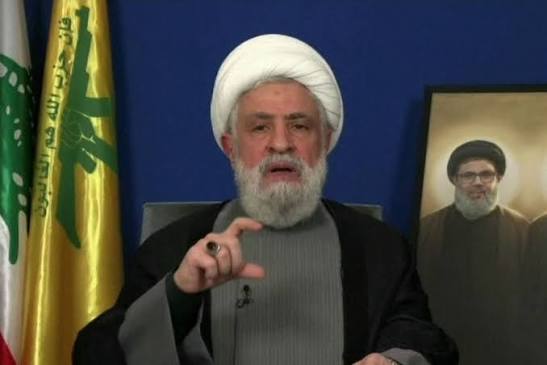
Lebanese political sources familiar with the Dahr al-Baydar explosives case said that Hezbollah Secretary-General Naim Qassem had ordered direct, special protection for individuals wanted by the military judiciary. The instruction reportedly forms part of a firm internal decision by the party’s leadership to prevent any of them from being handed over or appearing before investigators, regardless of judicial and political pressure.
According to the sources, the decision covers all eleven defendants who remain outside custody, out of thirteen people charged. Hezbollah’s leadership reportedly regards handing them over as a red line and is prepared to escalate to the highest level to prevent any coercive security measures against them.
The sources said the party’s stance had hardened to the point of invoking a “new May 7”, referring to Lebanon’s armed clashes in 2008. They described this as reflecting its readiness to escalate against the judiciary and the state.
Confidential Instructions and Special Protection
According to the sources, Qassem issued no public statement about the wanted individuals. However, the protection order was reportedly circulated through closed organisational and security channels, with instructions not to respond to judicial summonses or appear before investigators.
The list is headed by Ibrahim Habib, known as “Sajed”, whom the investigation links to handing over the explosives shipment in Baalbek, and Bilal Sabbouri, known as “Dhu al-Fiqar”, who was expected to receive it in Beirut’s southern suburbs.
The names provided by the sources also include Mohammad Ayoub, Mohammad Zeaiter and Mohammad Hzeimeh, alongside individuals known by aliases including “Abu Turab”, “the Short Bald Man”, “Al-Sayyed”, “Alaa” and “Abu al-Fadl”.
The sources said the wanted individuals were in hiding, probably in Hezbollah’s closed security enclaves in Beirut’s southern suburbs or the Bekaa region, particularly Baalbek and Hermel. The party reportedly enforces strict measures, including keeping them away from unsecured communications, preventing them from travelling through official checkpoints and denying security agencies access to them.
Judicial Confrontation without Raids
No attempts to raid the suspects’ reported locations have been recorded so far. Judicial authorities continue notification and summons procedures, seeking to avoid turning the case into a confrontation on the ground.
On November 5, First Military Investigating Judge Ghada Abu Alwan questioned the two detainees, Ali al-Kurdi and Haitham Amhaz, and issued arrest warrants in their presence. Meanwhile, lawyer Maan al-Assaad, representing several defendants who are not in custody, filed procedural objections that led to their questioning being postponed.
The case took another turn on November 17 when the judge rejected those objections. Defence counsel appealed, prompting another postponement of the questioning pending a ruling on the challenge.
The sources said Hezbollah benefits from legal proceedings continuing without security agencies moving to arrests on the ground. They acknowledged, however, that submitting procedural objections and appeals are legal rights and do not, by themselves, establish political interference in judicial work.
Concern over Exposing the Chain of Command
The sources linked Hezbollah’s hard-line position to the sensitivity of information the questioning could reveal, particularly from those responsible for handing over and receiving the shipment, rather than only the two men who transported it.
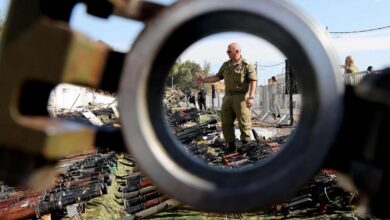
They said questioning “Sajed” and “Dhu al-Fiqar” could allow investigators to trace the orders behind the transfer of approximately 500 kilograms of explosives from Baalbek towards Beirut’s southern suburbs. It could also identify who authorised the operation and who was intended to receive the cargo.
MP Hassan Fadlallah previously acknowledged that the shipment belonged to Hezbollah, saying it was intended for confronting Israel. The nature of the seized materials and their destination nevertheless raised political and security questions about the transfer’s ultimate purpose.
Calculations beyond the Suspects’ Fate
Strategic affairs expert Mohammad Youssef al-Nour linked Hezbollah’s refusal to hand over the Dahr al-Baydar suspects to considerations extending beyond the accused themselves. The party, he argued, fears that their appearance before the judiciary could establish a precedent enabling the pursuit of higher-ranking security and military officials. It could also expose decision-making mechanisms within its military structure, particularly concerning the movement, storage and destination of explosives.
Handing over the suspects would effectively mean accepting Lebanese judicial authority over Hezbollah’s military activities, he added. Such a shift would touch the core of the security autonomy the party has maintained for years.
Invoking the events of May 7, 2008, reflects the danger of the dispute moving from judicial proceedings to a confrontation testing state authority, according to al-Nour. Hezbollah may consider an implicit threat of escalation more useful than an internal clash that could impose additional political and security losses.
Government Divisions and a Decisive Test
Politically, the sources described continuing contacts between President Joseph Aoun, Parliament Speaker Nabih Berri and Prime Minister Nawaf Salam to contain the case’s repercussions and prevent an internal confrontation.
They said the next phase would become more sensitive if the appeal were rejected and the wanted individuals summoned again. Continued refusal to appear could prompt stronger judicial measures, including arrest warrants issued in absentia when the legal requirements are met.
The case is therefore no longer confined to an explosives shipment seized by security agencies. It has become a test of the Lebanese judiciary’s ability to question individuals who, according to the sources, enjoy direct protection from Hezbollah’s highest leadership, as the state insists on its exclusive security and judicial authority.