Reported Arrests of Fighters Refusing Combat Raise Questions about Sudan’s Army’s Management of Tigrayan Forces
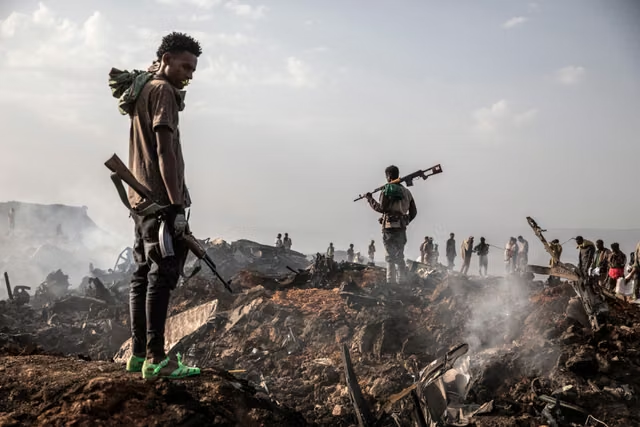
Reports that Tigrayan fighters were arrested after refusing to continue fighting in Blue Nile state are raising questions about relations between Sudan’s army and the allied forces participating in its operations. These concerns are particularly acute amid growing disputes over battlefield assignments, support and command. The allegations come as government forces face increasing pressure in the region, making the cohesion of participating formations an additional challenge for military commanders.
Circulating accounts suggest that some Tigrayan fighters refused to return to combat positions after suffering losses or amid fears of continuing operations in forward areas without adequate protection and support. Reports have also described the arrest of individuals who refused orders, raising questions about the circumstances of these measures and the fighters’ relationship with Sudanese military commanders.
Although independent evidence does not confirm every detail of these accounts, they raise sensitive issues involving the management of allied forces, the limits of military discipline and the safeguards provided to participating fighters, particularly when operating outside their home areas.
Refusal to Fight Becomes an Internal Crisis
Media reports have described disputes between Tigrayan fighters and Sudanese commanders after groups refused to return to combat positions in Blue Nile.
According to a report published by The Sudan Times in November 2026, some fighters refused orders issued by military commanders in Damazin as clashes with the Sudan Founding Alliance intensified. The report also described financial demands and disagreements over command and coordination, suggesting these developments had disrupted relations between the two sides.
These accounts indicate that refusals to continue fighting may involve several factors, including casualties, assigned duties, and disputes over payments and leadership.
During a prolonged war, relations between allied forces become more sensitive, particularly as battlefield risks increase or available resources decline. Fighters may seek changes to assignments or redeployment, potentially bringing them into conflict with commanders seeking to maintain positions and deployments.
Refusal to obey orders does not necessarily indicate the alliance’s collapse, however. Disagreements may be limited, or arrangements may still be under negotiation. Establishing the crisis’s nature therefore requires documented information about the number of people involved, their reasons for refusing, and the decisions taken against them.
Arrests Put Military Discipline under Scrutiny
Reports of fighters being arrested after refusing to return to the front raise questions about the measures taken, the authorities implementing them and whether they concerned specific military offences or an attempt to force continued participation in operations.
Responses to refusals of military orders depend on the fighters’ legal and organisational relationship with their commanders and the circumstances of the refusal. There is a distinction between disciplinary measures against individuals formally subject to a chain of command and detaining people to compel participation in combat without a clear legal basis.
The position of allied forces is more complicated because their affiliation with Sudan’s army may differ from that of regular personnel. Their participation may be governed by military understandings or arrangements, making clear legal and organisational responsibilities essential.
Detention allegations also raise questions about detainees’ conditions, legal safeguards, treatment and access to independent verification of their circumstances.
If individuals were proven to have been detained to force them to continue fighting, this would require independent investigation, particularly if detention conditions or measures taken involved violations.
Allegations of Forced Return to Forward Positions
Accounts of the crisis include allegations that Sudan’s army pressured Tigrayan fighters to continue fighting along forward axes in Blue Nile despite their refusal to participate.
Some may have believed they faced increasing risks without adequate protection or support, leading them to reject their assignments.
Forward positions in Blue Nile face direct clashes, air attacks and artillery fire, alongside difficulties securing supply lines in some areas. Sustaining forces there therefore requires comprehensive support, not merely the presence of fighters.
Reports have relayed fighters’ allegations that the army sent them to forward positions without adequate air cover. These claims have not been fully independently verified, and no documented evidence identifies where the forces suffered losses or establishes the support they received.
Nevertheless, the allegations may reflect concerns about battlefield risks, particularly when accompanied by disputes over command, payments or assignments.
Addressing these concerns becomes especially important when allied forces depend on the army for protection, supplies and coordination. Any breakdown can undermine trust.
Blue Nile Complicates Relations between Forces
Blue Nile is experiencing growing military escalation as Sudan’s army fights the Sudan Founding Alliance, which includes the Rapid Support Forces and the Sudan People’s Liberation Movement-North led by Abdelaziz al-Hilu.
During 2026, fighting affected several locations, including al-Kurmuk, Geissan and other border areas, with changes in control of some military positions.
Battlefield reports indicated that alliance forces captured strategic positions in al-Kili and al-Kili 6 during phases of the escalation. Other accounts described military movements towards further areas within the state.
On November 16, the Sudan Tribune reported that Sudan’s army had sent reinforcements to Blue Nile alongside changes in military leadership, reflecting the front’s importance to government forces.
These developments require commanders to maintain deployments across multiple locations, secure supply lines and provide sufficient forces to respond to the escalation.
Continuing disputes with allied forces could complicate this task, particularly if refusals to follow orders weaken the ability to hold positions or require other units to be redeployed.
With multiple active fronts, any crisis among participating forces carries greater significance because it may force additional decisions over deployments, resources and assignments.
Command and Control Face a Test
Military operations depend on clear command-and-control arrangements that define responsibilities, allocate duties, coordinate movements and respond to battlefield changes.
These arrangements are particularly important for allied forces, where different organisational structures may complicate the execution of orders and management of disagreements.
Reports concerning Tigrayan fighters describe disputes over coordinating officers, including accounts of Sudanese military officials responsible for communications with these forces being arrested. These accounts have not been fully independently verified but raise questions about the stability of communication channels between the two sides.
The loss of such channels can increase misunderstandings, lead to refusals to work with replacement commanders or weaken confidence in command decisions.
These problems can be especially serious during military operations, which require rapid implementation and coordination between units. When trust declines or communications break down, maintaining discipline becomes harder.
Commanders also need to resolve disagreements in ways that sustain operations without turning organisational tensions into a battlefield crisis.
Financial Disputes Increase the Risk of Escalation
Reports about Tigrayan fighters describe financial demands and disputes over outstanding payments, which may have contributed to some individuals’ refusal to return to the front.
Allied forces need clear funding and supply arrangements, particularly during lengthy deployments. Declining resources or delayed payments can heighten tensions if fighters believe agreed commitments are no longer being fulfilled consistently.
The authority based in Port Sudan faces a broad economic crisis, with reduced economic activity, damaged infrastructure, and disrupted productive sectors. This makes securing resources for military operations and civilian services more difficult.
The situation can increase pressure on commanders, particularly when regular and allied forces must be financed simultaneously.
A direct link between the economic crisis, arrests and refusals to fight nevertheless requires documented evidence. Disputes may also concern leadership, assignments or battlefield conditions.
Declining resources can still make disagreements harder to resolve and narrow commanders’ options, especially where allied forces depend on financial or logistical arrangements with them.
Implications for Troop Morale
Reports of arrests and forced continuation of combat can affect morale, particularly if fighters believe disagreements within the alliance are not being addressed clearly.
Military morale depends not only on battlefield conditions but also on trust in commanders, access to support, clear assignments and safeguards for fighters’ rights.
Continuing tensions may increase concerns among those still participating in operations, particularly where disputes remain over payments, support or command.
Accounts of detention or coercion may also prompt other forces to question their relationship with military commanders, potentially affecting their commitment along some fronts.
The impact of these accounts, however, depends on their accuracy, their circulation within the forces and the ability to resolve disagreements transparently.
Conversely, commanders may contain the crisis by reorganising military arrangements, clarifying responsibilities, addressing demands and providing communication channels that prevent widespread refusals of orders.
Risks to Military Alliances
The potential crisis between Sudan’s army and Tigrayan fighters illustrates the challenges military alliances can face when casualties rise, resources diminish or command disputes emerge.
Allied forces may assess risks, assignments and deployments differently, making continued cooperation dependent on clear understandings.
Detaining individuals who refuse to keep fighting, if the details are substantiated, could increase tensions—particularly if fighters view commanders as coercing compliance rather than addressing the causes of disagreement.
Continuing disputes could also produce withdrawals or refusals to perform particular duties, affecting the army’s ability to hold positions dependent on these forces.
The issue becomes more significant across multiple fronts, where commanders must preserve cohesion and avoid further crises that could disrupt operations.
Humanitarian and Legal Questions Require Investigation
Amid allegations of detention and forced combat, the conditions of detainees, measures taken against them, and authorities responsible must be verified.
Investigating recruitment conditions and the fighters’ relationship with military commanders may also help establish legal and organisational responsibilities, particularly where allegations concern coercion or preventing individuals from returning home.
This requires independent information, documented testimony and official clarification of the number of people involved and the reasons for their detention, alongside safeguards against inhumane treatment.
Addressing disputes through clear channels could also limit escalation and prevent the crisis from expanding to undermine front-line cohesion.
A Crisis Exposing the Challenges of Managing Allied Forces
Allegations that Tigrayan fighters were arrested for refusing to continue fighting confront Sudan’s army with challenges involving alliance management, discipline, and dispute resolution among participating forces.
If some individuals were proven to have been detained to compel their return to the front, this would raise legal and humanitarian questions about detention conditions and their relationship with military commanders.
Continuing disputes over assignments, support and payments could also weaken trust and increase the likelihood of withdrawals or refusals to obey orders.
In a prolonged war, managing allied forces becomes an essential element of military capability. Sustaining operations depends not simply on having fighters present, but on their cohesion, coordination and commanders’ ability to resolve disputes threatening cooperation.
The crisis involving Tigrayan fighters may therefore reflect wider challenges facing Sudan’s army in maintaining military alliances, particularly along fronts under growing battlefield and economic pressure.
Retaining forces requires more than enforcing discipline. It also means building trust, clarifying responsibilities, ensuring protection and supplies, and resolving disagreements before they become an internal crisis affecting military operations.