Tigrayan Withdrawal from Blue Nile Disrupts Sudanese Army’s Calculations
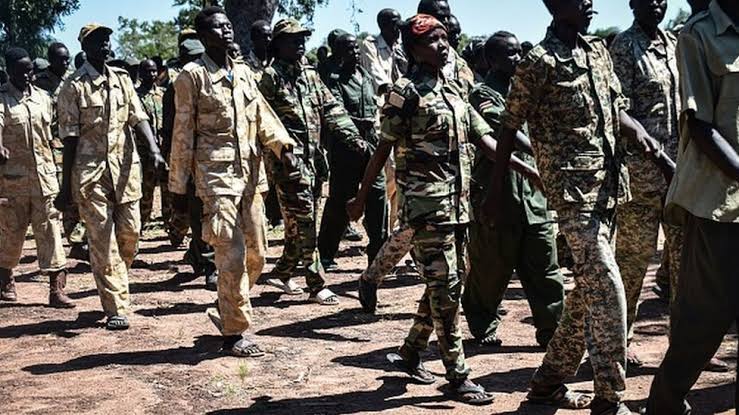
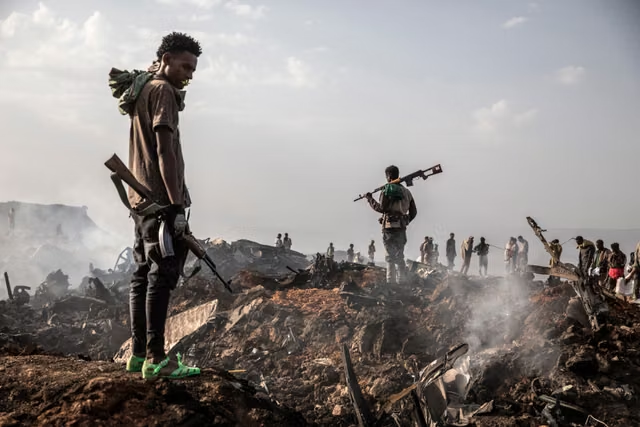
Reports that Tigrayan fighters have withdrawn from positions in Blue Nile state raise questions about the Sudanese army’s ability to maintain cohesion among the forces participating in its operations, as fighting intensifies and pressure mounts on forward positions. The developments come amid allegations by fighters that they faced increasing battlefield risks without adequate protection or support, raising the possibility that disputes within the military alliance could affect operations.
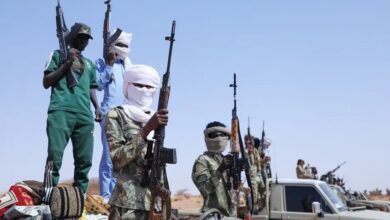
The withdrawal is particularly significant given the nature of the Blue Nile front, which has recently become one of the most sensitive areas of confrontation between Sudan’s army and the Sudan Founding Alliance. Battlefield changes, multiple positions requiring reinforcements and growing risks from air and drone attacks all increase the importance of allied forces to military commanders.
Their importance, however, does not guarantee continued participation, particularly when casualties mount or disagreements emerge over assignments, command and supplies. Under such circumstances, withdrawal may reflect a crisis of trust between fighters and the commanders overseeing their deployment, rather than simply a response to temporary battlefield changes.
Withdrawal Exposes Fragile Military Arrangements
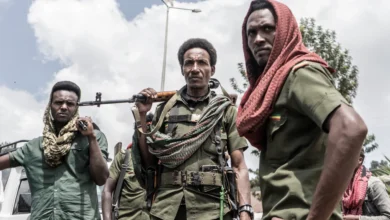
Media reports have described groups of Tigrayan fighters withdrawing from positions around Damazin after Sudan Founding Alliance forces approached the area, alongside accounts of their refusal to obey orders from commanders in the Fourth Division.
According to a report published by The Sudan Times in November 2026, groups of fighters left their positions and moved elsewhere amid disputes over their continued participation in military operations. The report, however, provided no independent evidence confirming all details of the withdrawal or the number of fighters involved.
These accounts suggest possible differences in how fighters assess the risks they face or the duties assigned to them. Leaving a military position may reflect a tactical decision, an effort to avoid further casualties or a refusal to carry out particular orders.
Such possibilities become more complex with allied forces because their relationship with the army may rest not on a fully unified command structure, but on understandings concerning operational participation, assignments and supplies.
As trust declines, implementing orders becomes harder. Disagreements may emerge over which positions to defend, which duties to perform or what level of risk is acceptable.
Allegations over the Fighters’ Assignments
Accounts surrounding the Tigrayan withdrawal include allegations that Sudan’s army deployed these forces to forward positions without air cover or adequate protection. The claims raise questions about how duties are allocated between regular forces and allied formations, and how the risks facing participating units are considered.
Forward positions in Blue Nile face multiple challenges, including possible air attacks, artillery bombardment and direct clashes, alongside difficulties securing supply lines in some areas.
Forces deployed there require support encompassing reconnaissance, communications, defence and evacuation. Any shortfall can therefore have a greater impact on their ability to remain operational.
Allegations of absent air cover still require independent verification. No documented information establishes where the forces suffered losses, what support they received or whether alternative forms of assistance were available.
Nevertheless, the circulation of these claims may reflect concerns among some fighters about their assignments and could weaken confidence in military commanders.
Blue Nile Becomes a Pressure Point
Blue Nile’s military importance is increasing because of its geographical position, proximity to the Ethiopian and South Sudanese borders, and the overlap between its front lines and strategically important areas.
During 2026, the state experienced intensified military operations, with Sudan Founding Alliance forces moving across several areas and control of some positions changing.
Battlefield reports said the alliance captured military positions in al-Kili and al-Kili 6 during phases of the escalation. Other reports described fighting in al-Kurmuk, Geissan and areas near Damazin.
On November 16, the Sudan Tribune reported that Sudan’s army had sent reinforcements to the state alongside changes in military leadership, reflecting the pressure facing government forces in the region.
The escalation increases demand for troops and supplies, particularly when military positions come under pressure or the balance of forces shifts rapidly.
Under these conditions, the withdrawal of some allied forces could require the army to reassess its deployments or find replacements for the positions they occupied.
Commanders’ ability to redistribute forces, however, depends on available resources, threats elsewhere and their capacity to maintain supply lines.
A Crisis of Trust before or alongside the Withdrawal
The possible withdrawal of Tigrayan forces from Blue Nile cannot be interpreted separately from reports of disputes over command, outstanding payments and military assignments.
Media accounts have described financial demands by some fighters and refusals to return to the front amid disagreements over coordination with Sudanese commanders. Reports also referred to the arrest of officers who managed communications with these forces. These accounts have not been fully independently verified.
The information suggests that the withdrawal may be connected to a broader crisis rather than merely changing battlefield conditions. Relations between allied forces and military commanders require clear understandings about responsibilities, duties and rights, as well as stable communication channels to resolve disagreements before they become refusals to follow orders.
When fighters believe command decisions disregard their concerns, or that financial and organisational arrangements are no longer reliable, withdrawals or refusals to participate may become more likely.
Mistrust can also weaken coordination in joint operations, affecting military performance in areas reliant on several formations.
The Withdrawal Creates Challenges for the Army
If groups of Tigrayan fighters are confirmed to have withdrawn from Blue Nile positions, Sudan’s army could face challenges in redistributing forces and holding the areas they previously occupied.
Military positions cannot be left unprotected, particularly in areas of continuing confrontation or strategic importance. Additional units may need to be deployed, or existing forces reorganised.
Such measures could place further pressure on commanders, especially if regular forces face growing demands on other fronts.
Allied withdrawals could also affect the morale of units still participating in operations if they believe the underlying disputes have not been properly addressed.
Conversely, the withdrawal may be limited or tied to specific circumstances. It does not necessarily indicate the collapse of the alliance or the end of all Tigrayan participation. Armed formations may redeploy according to their assessment of risks or military arrangements.
Assessing the withdrawal’s impact therefore requires knowing its scale, the nature of the positions vacated and whether new agreements exist concerning continued participation.
Economic Pressures Complicate Dispute Resolution
These developments come amid Sudan’s broad economic crisis, which makes providing resources for military forces more difficult.
The war has reduced economic activity, disrupted productive sectors and trade, and diminished public revenues. The authorities consequently face growing pressure to finance and supply both military operations and civilian services.
Declining resources may intensify disputes over payments or supply allocations, particularly where allied forces depend on financial or logistical arrangements with Sudanese commanders.
A direct link between the economic crisis and the Tigrayan withdrawal nevertheless requires documented evidence. Disagreements may also concern command arrangements, battlefield assessments or security conditions.
The economic crisis still complicates military alliance management by narrowing commanders’ options and forcing priorities that may not satisfy all participating forces.
Implications for Regional Balances
Tigrayan participation in Sudan’s war carries regional significance because the fighters come from an Ethiopian region facing political and security challenges of its own.
Continuing regional tensions have heightened the sensitivity of Sudanese-Ethiopian relations, amid reciprocal allegations of support for armed groups or the use of border areas for military operations.
Under these circumstances, fighters’ withdrawal from Sudan may also involve calculations concerning a return home or security conditions in Tigray.
Their continued participation raises further questions about their connections to those directing operations and the effects of Sudanese developments on balances within Ethiopia.
These issues require documented information, however, because fighters’ movements cannot necessarily be explained by regional political developments alone.
Military Alliances Face a Test of Endurance
During prolonged wars, military alliances become more vulnerable to tension, particularly when casualties rise, resources diminish or differences emerge over objectives and command.
Withdrawal could change the relationship if Sudan’s army concludes that allied forces can no longer fulfil their assignments, or if those forces believe continued participation exposes them to risks disproportionate to the available support.
Maintaining the alliance then depends on resolving disagreements, clarifying responsibilities, providing supplies and ensuring stable communications.
Continuing to rely on allied forces without addressing the reasons behind their withdrawal could also allow the crisis to recur on other fronts.
A Withdrawal Reflecting More Than Battlefield Change
Reports of Tigrayan fighters withdrawing from Blue Nile confront Sudan’s army with challenges concerning alliance cohesion, management of participating forces and the defence of strategic positions amid escalating fighting.
If its details are confirmed, the withdrawal could reveal a crisis of trust, particularly if accompanied by allegations of inadequate support or disputes over command and payments.
Continuing military pressure in Blue Nile may also complicate redeployment and increase demand for the resources and capabilities commanders need to maintain their positions.
In a prolonged war, the army’s ability to hold its fronts depends not only on troop numbers, but also on cohesion, coordination and commanders’ ability to resolve disputes that could lead to withdrawals or refusals to follow orders.
The Tigrayan forces’ crisis may therefore signal wider challenges facing Sudan’s military alliances, where managing disagreements and preserving trust have become essential to sustaining operations.