Ahead of a Possible Strike on Iran, Washington Assesses the Readiness of Israel’s Shield
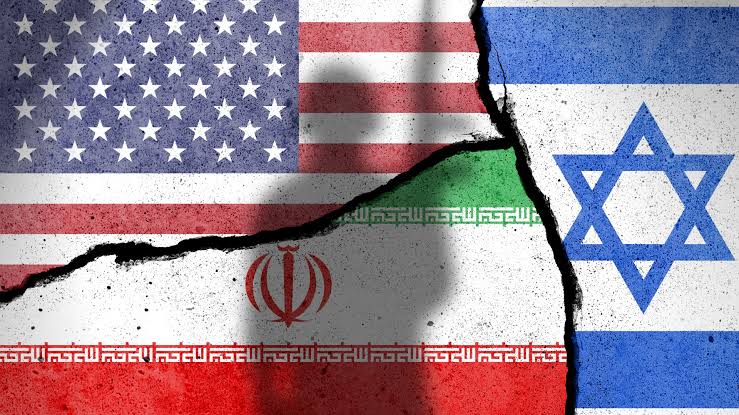
Informed American sources within the White House and close to officials at the US Department of War, the Pentagon, revealed that US military officials visited Tel Aviv in recent days. The visit focused on Israeli defence readiness and joint military coordination in anticipation of a possible resumption of strikes against Iran.
US military officials held discussions with their Israeli counterparts, involving representatives from bodies associated with the Joint Chiefs of Staff, US Central Command (CENTCOM), air forces and air defence. Talks centred on assessing Israel’s ability to counter potential missile and aerial attacks if confrontation with Tehran resumes.
The discussions covered the readiness of Israel’s multilayered air defence network, interceptor missile stockpiles and the effectiveness of radar, early-warning and tracking systems. They also reviewed recent upgrades to Iron Dome and other Israeli interception systems.
According to the sources, Washington wants to ensure that Israel can protect its home front and keep its defensive systems operating effectively. Preparations address not only direct Iranian retaliation but also possible attacks by Tehran-aligned groups, particularly Hezbollah and the Houthis, given their role in the confrontation that began last February.
The scenarios under consideration also include the possibility of subsequently expanding operations to Iranian energy facilities and military sites, depending on the outcome of initial strikes and the decision the US administration might take.
Parallel Intelligence Contacts
The developments coincide with Mossad director Roman Gofman’s return from a visit to the United States, where he held talks with CIA director John Ratcliffe and presidential envoy Steve Witkoff on Iran and its implications for Israeli security.
According to Israeli media reports, Gofman attended a security cabinet meeting after his return—the first since Israel’s latest elections. He is also expected to meet Prime Minister Benjamin Netanyahu separately to brief him on the outcome of his Washington discussions.
These contacts come as the United States strengthens its military presence in the Middle East. The aircraft carrier Theodore Roosevelt has arrived to join two other US carriers, providing Washington with additional military options should it decide to resume operations.
Assessments within Israel’s security establishment do not appear uniform on the timing of potential military action. Hebrew-language media reports suggest that military chief of staff Eyal Zamir believes the Iranian threat does not necessarily require an immediate attack, particularly during Israel’s current political transition.
CENTCOM previously described Israeli reports that Washington had instructed Tel Aviv to prepare for renewed war as “mere speculation”. At the time, it said there were no updates regarding the posture of US forces in the region.
Between Defending Israel and Striking Iran
Middle East researcher Dr Tamara Haddad said Israel’s security remains a cornerstone of US regional strategy. This, she argued, explains continued military and intelligence support and efforts to strengthen air defence and early-warning capabilities amid tensions with Tehran.
Haddad said US preparations were proceeding along two parallel tracks: ensuring Israel’s ability to counter Iranian missile and drone attacks, while maintaining readiness to conduct offensive operations if the political decision is made.
She stressed the distinction between US preparations to defend Israel and direct participation in an attack on Iran. Possessing the necessary military capabilities does not necessarily mean a decision to use them is imminent.
Deploying aircraft carriers and warships and strengthening aerial refuelling, reconnaissance and surveillance capabilities gives Washington greater military flexibility, she said. At the same time, these moves provide leverage to press Tehran for concessions over its nuclear programme, missile capabilities and regional influence.
Haddad considered it likely that Washington would continue applying economic and military pressure without rushing into an all-out confrontation. She warned, however, that another round of hostilities could extend beyond limited strikes and open multiple regional fronts.